












Comprehensive Summarization:
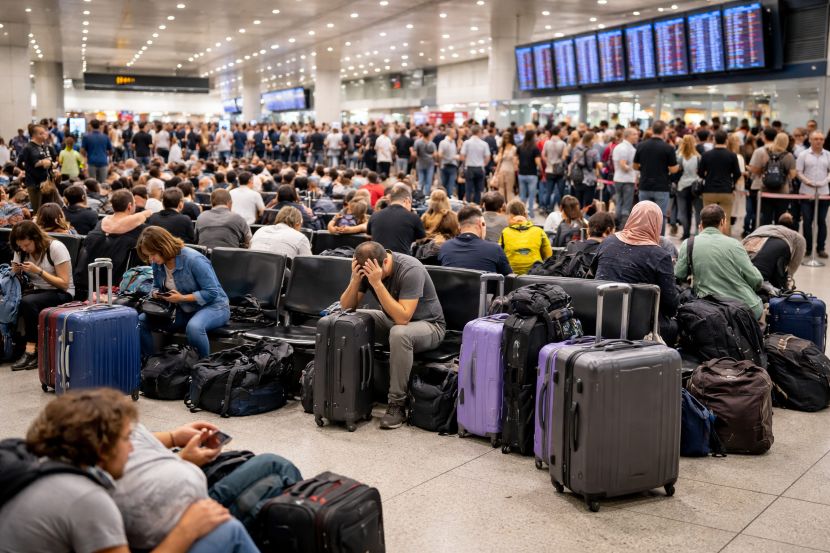
The article reports on significant disruptions at major Turkish airports, particularly Istanbul Airport, Istanbul Sabiha Gokcen International, and Antalya Airport, due to flight cancellations and delays caused by Turkish Airlines, Pegasus, Lufthansa, and Emirates. As of February 28, 2026, Istanbul Sabiha Gokcen International experienced 70 delays and 17 cancellations, Istanbul Airport had 105 delays with 56 cancellations, and Antalya Airport faced 17 delays and 8 cancellations. These disruptions have impacted both domestic and international travelers, highlighting ongoing challenges in Turkey’s key transport hubs.
Key Points:
- Flight Disruptions: Turkish Airlines, Pegasus, Lufthansa, and Emirates collectively faced 81 flight cancellations and 192 delays across Istanbul, Antalya, and other major Turkish airports.
- Airport Impact: Istanbul Sabiha Gokcen International and Istanbul Airport were the most affected, with Istanbul Sabiha Gokcen International reporting the highest number of cancellations (17) and delays (70).
- Geographical Focus: The disruptions primarily affected Istanbul and Antalya, two of Turkey’s most significant transport hubs, indicating widespread operational challenges.
- Traveler Impact: The article emphasizes the impact on both domestic and international travelers, underscoring the broader implications for the travel industry in Turkey.
Actionable Takeaways:
-
Enhanced Operational Resilience: Travel companies and airports should invest in robust operational resilience strategies to mitigate the impact of flight disruptions. This includes developing contingency plans for cancellations and delays, ensuring real-time communication with travelers, and leveraging technology for efficient route management.
-
Investment in Technology: The article highlights the need for advanced travel tech solutions to manage disruptions effectively. Implementing real-time tracking systems, AI-driven predictive analytics, and seamless communication platforms can enhance operational efficiency and improve traveler experience during crises.
-
Collaborative Industry Response: There is a call for greater collaboration among airlines, airports, and regulatory bodies to streamline processes and improve response times during disruptions. Sharing real-time data and coordinating efforts can help reduce the impact of flight cancellations and delays on travelers.
Contextual Insights:
The disruptions at major Turkish airports reflect ongoing challenges in the travel industry, particularly in managing large-scale operational issues. The article underscores the importance of technological advancements in travel tech, such as AI and real-time data analytics, which are becoming increasingly critical in managing disruptions. Thought leaders emphasize that the travel industry must adapt to these challenges by investing in innovative solutions that enhance operational efficiency and traveler satisfaction. The current state of the travel industry is marked by a growing emphasis on resilience and adaptability, with experts predicting that the integration of advanced technologies will play a pivotal role in shaping future travel experiences.
Read the Complete Article.


