












Comprehensive Summarization:
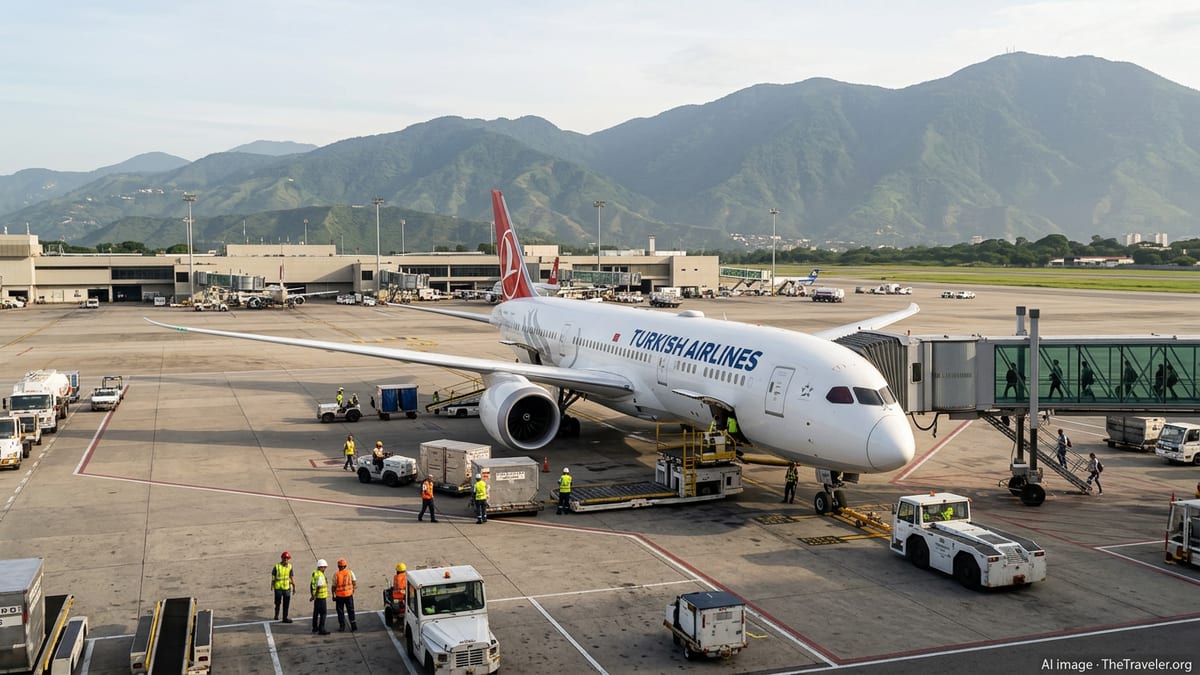
Turkish Airlines is set to resume direct flights between Istanbul and Caracas starting March 3, 2026, after a suspension due to airspace security concerns and regulatory tensions. This service, initially operating three times per week, is expected to revive tourism, business travel, and long-stalled trade ties in Venezuela. The restored route represents one of the few options for long-haul air connectivity in the region, potentially reinvigorating economic and cultural exchanges between Turkey and Venezuela.
Key Points:
- Turkish Airlines will restart direct flights between Istanbul and Caracas on March 3, 2026, after a suspension in late 2025.
- The service will operate three times per week, providing a crucial long-haul air link for Venezuela.
- The resumption of flights is expected to revive tourism, business travel, and trade ties between Turkey and Venezuela.
- The restored route will initially operate from Istanbul Airport to Caracas’ Simón Bolívar International Airport.
Actionable Takeaways:
-
Revival of Cross-Border Connectivity: The resumption of Turkish Airlines’ direct flights between Istanbul and Caracas is a significant development for cross-border connectivity in South America. This route could stimulate increased tourism and business travel, benefiting both countries’ economies. For travel professionals, this presents an opportunity to explore new market segments and tailor services to meet the needs of travelers between these two nations.
-
Potential for Increased Trade: The restored air link may facilitate greater trade between Turkey and Venezuela. By providing a reliable and efficient transportation option, the route could encourage the exchange of goods and services, potentially leading to economic growth in both countries. Travel and logistics companies could capitalize on this trend by offering specialized services to support increased trade flows.
-
Opportunities for Travel Startups: The reestablishment of this air route opens avenues for travel startups to innovate and expand their services. Startups could focus on developing travel packages, offering competitive pricing, or providing enhanced customer experiences to attract travelers seeking to explore the region. This could also spur advancements in travel technology, such as streamlined booking platforms and integrated travel solutions.
Contextual Understanding:
The article’s context is rooted in the recent suspension of Turkish Airlines’ flights due to airspace security concerns and regulatory tensions, which were lifted in March 2026. This event highlights the volatile nature of international air travel, particularly in regions with geopolitical tensions. The return of this route underscores the importance of stable and secure air connectivity in fostering economic and cultural exchanges. From a travel industry perspective, such developments are crucial as they directly impact travel demand, route profitability, and the overall competitiveness of airlines operating in the region. The article also aligns with broader travel trends, such as the resurgence of long-haul travel and the growing importance of secure, reliable air links in global tourism and trade.
Handling Different Article Types:
The article provided is a news blurb, offering factual information about a specific development in the travel industry. The summary, key points, and actionable takeaways are structured to reflect the factual nature of the content, ensuring clarity and relevance for a professional audience. The analysis integrates the latest travel trends and insights, such as the potential for increased trade and the opportunities for travel startups, to provide a forward-looking perspective on the implications of this development.
Read the Complete Article.



