












Comprehensive Summarization:
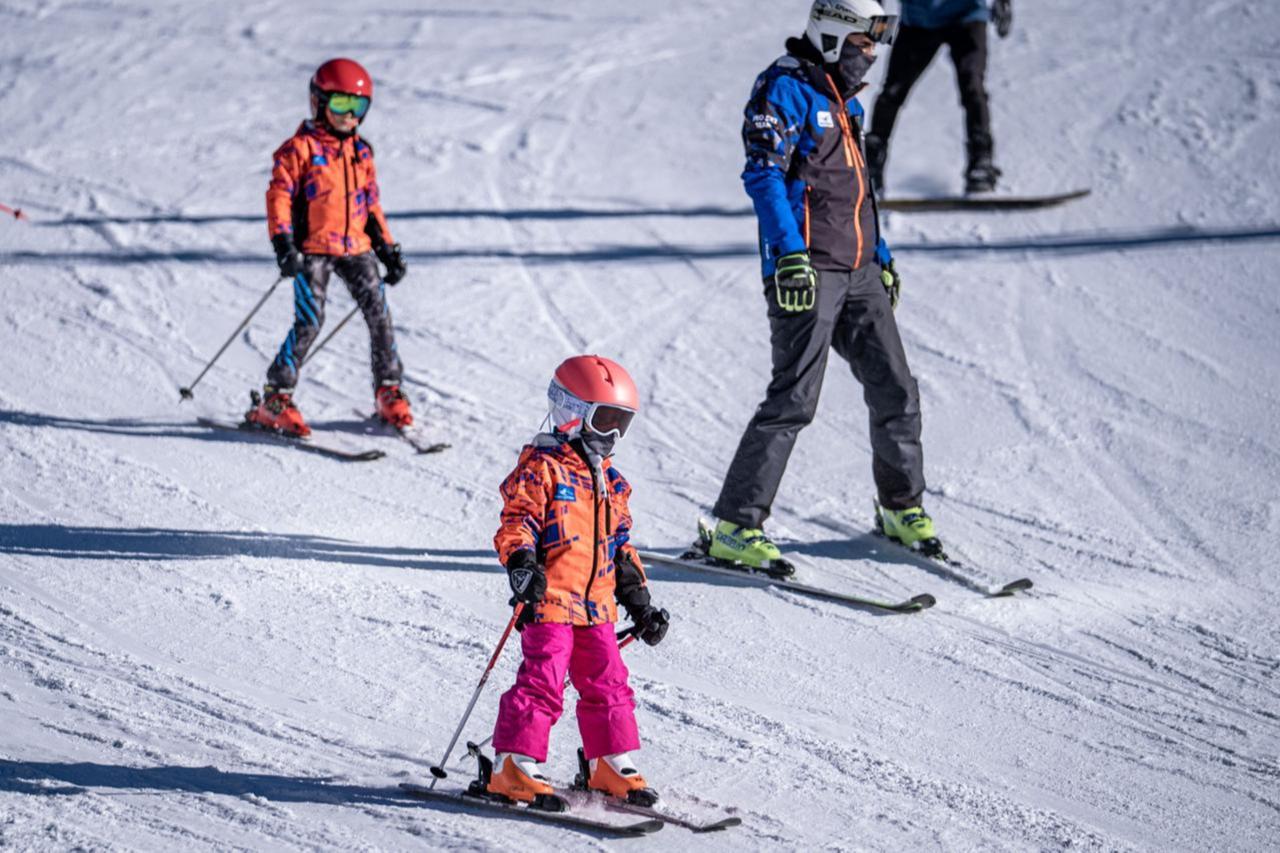
The article highlights the exceptional snow depth recorded at Turkish ski resorts, with the deepest accumulation measured at 236 centimeters in the eastern province of Hakkari. This significant snowfall, reported by the Meteorology General Directorate (MGM), indicates strong snowfall across major winter tourism destinations, particularly in eastern and central regions. The snow depth has reached seasonal highs, drawing tourists to resorts like Palandoken Ski Center in Erzurum, Türkiye, for skiing and snowboarding activities. The article underscores the ongoing success of Türkiye’s ski season, which is expected to continue through February, showcasing the resilience and attractiveness of the country’s winter tourism sector despite seasonal variations.
Key Points:
- Snow depth at Turkish ski resorts has reached seasonal highs, with the deepest accumulation recorded at 236 centimeters in Hakkari.
- Strong snowfall is observed across major winter tourism destinations, especially in eastern and central regions of Türkiye.
- Popular resorts have recorded snow levels exceeding 200 centimeters, indicating robust snow conditions for skiing and snowboarding.
- The Meteorology General Directorate (MGM) data supports the exceptional snow conditions, reinforcing the appeal of Türkiye’s ski season through February.
Actionable Takeaways:
-
Enhanced Marketing Strategies for Winter Tourism: Given the exceptional snow depth and favorable conditions, resorts can leverage this data to enhance their marketing strategies. Emphasizing the record-breaking snowfall can attract more tourists, particularly those seeking high-quality skiing and snowboarding experiences. This could involve targeted campaigns highlighting the unique snow conditions available in eastern and central regions of Türkiye.
-
Investment in Snow Management Technologies: The article underscores the importance of snow depth in attracting tourists. Resorts could invest in advanced snow management technologies to maintain optimal snow conditions throughout the season. This not only ensures a better experience for visitors but also positions the resorts as leaders in winter tourism innovation, potentially attracting tech-savvy travelers and startups interested in travel tech solutions.
-
Collaboration with Travel Agencies and Fintech Innovations: With the continued success of Türkiye’s ski season, there is an opportunity for collaboration with travel agencies to offer bundled packages that include accommodation, transportation, and ski packages. Additionally, integrating fintech solutions can streamline the booking process, making it more convenient for tourists. This could involve partnerships with fintech startups to offer seamless payment options, digital loyalty programs, and personalized travel itineraries, enhancing the overall customer experience and driving repeat visits.
Contextual Understanding:
The article reflects the current state of Türkiye’s winter tourism sector, which continues to thrive despite seasonal variations. The exceptional snow depth recorded at various resorts is a testament to the country’s ability to deliver high-quality winter experiences, even in challenging weather conditions. This resilience is crucial in the travel industry, where weather can significantly impact tourism numbers. The focus on snow depth highlights the importance of natural resources in tourism marketing and operational planning. Furthermore, the article aligns with broader industry trends towards leveraging technology and innovation to enhance the travel experience, suggesting that resorts that invest in modern solutions are likely to gain a competitive edge.
Handling Different Article Types:
The article is a news brief, providing factual information about snow conditions at Turkish ski resorts. For such articles, the focus is on delivering accurate, concise information that is immediately useful to the professional audience. The structured output format ensures that the key points and actionable takeaways are clearly presented, making it easy for readers to digest and act upon the information provided. This approach is particularly effective for a professional audience that values factual accuracy and actionable insights in their decision-making processes.
Read the Complete Article.



