












Comprehensive Summarization:
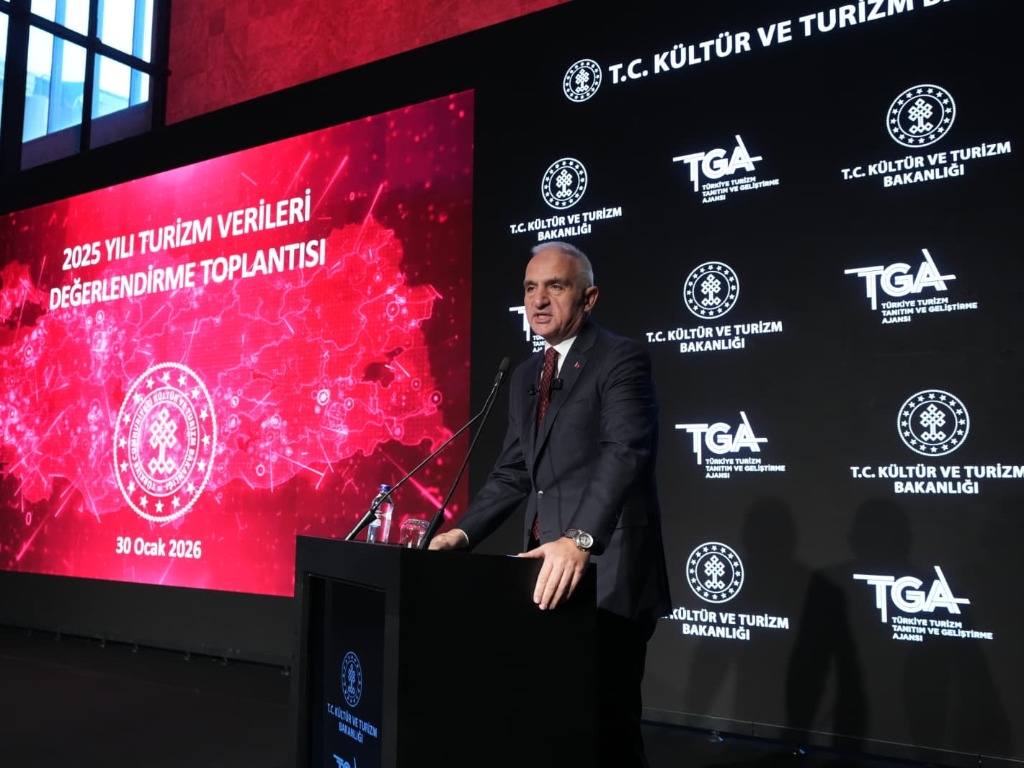
In 2025, Türkiye’s tourism industry experienced significant growth, welcoming 64 million visitors and generating tourism revenues of over USD $65.2 billion. This success was highlighted by the country’s Minister of Culture and Tourism, Mehmet Nuri Ersoy, at an event in Istanbul. Ersoy expressed optimism for 2026, aiming for USD $68 billion in tourism revenues. He emphasized Türkiye’s growing influence in the global tourism market, noting its rise from eighth place in 2017 to a stronger position according to data from the United Nations World Tourism Organization. The article also touches on the broader travel industry trends and insights, underscoring the importance of staying informed about emerging developments in travel tech, startups, and fintech.
Key Points:
- Türkiye welcomed 64 million visitors in 2025, with tourism revenues reaching USD $65.2 billion.
- Tourism Minister Mehmet Nuri Ersoy set a target of USD $68 billion in tourism revenues for 2026.
- Türkiye has strengthened its position in the global tourism market, moving beyond regional influence.
- The article references the United Nations World Tourism Organization’s data to support Türkiye’s growing global appeal.
Actionable Takeaways:
- Target Revenue Growth: Tourism stakeholders should set ambitious yet realistic revenue targets, such as USD $68 billion for 2026, to drive strategic planning and investment in the sector.
- Leverage Global Positioning: Utilize Türkiye’s enhanced global tourism ranking to enhance marketing strategies and attract international tourists, capitalizing on its improved standing in the world tourism market.
- Invest in Tourism Infrastructure: Allocate resources to improve tourism infrastructure, ensuring that Türkiye remains competitive and attractive to both regional and global visitors.
Contextual Insights:
The article reflects the current positive trajectory of Türkiye’s tourism industry, driven by increased visitor numbers and revenue growth. This success is indicative of broader trends in the travel industry, where countries are leveraging their unique cultural and natural attractions to boost tourism. The emphasis on setting ambitious revenue targets aligns with industry-wide efforts to stimulate economic growth through tourism. Furthermore, the reference to the United Nations World Tourism Organization’s data underscores the importance of data-driven decision-making in the travel sector. As the industry continues to evolve, staying informed about such developments will be crucial for stakeholders aiming to capitalize on emerging opportunities and maintain competitive advantage.
Read the Complete Article.



