












Comprehensive Summarization:
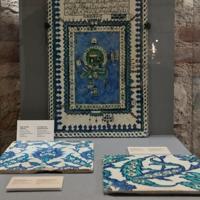
The article reports that Culture and Tourism Minister Mehmet Nuri Ersoy announced the successful recovery of two 16th-century İznik tiles stolen from Sultanahmet and Rüstem Paşa mosques in Istanbul. The tiles, which were set to be auctioned in the United Kingdom, were withdrawn from the sale following coordinated efforts by the Turkish Ministries of Culture, Interior, and Foreign Affairs. The London Embassy’s persistent work, collaboration with the Metropolitan Police, and expert verification were credited for the successful recovery. The tiles are now preserved at the Ankara Ethnography Museum. Ersoy highlighted the importance of these tiles to Turkey’s cultural heritage and the collaborative international efforts that led to their return.
Key Points:
- Two 16th-century İznik tiles stolen from Sultanahmet and Rüstem Paşa mosques have been returned to Turkey.
- The tiles were to be auctioned in the United Kingdom but were withdrawn following collaborative efforts.
- The Turkish Ministries of Culture, Interior, and Foreign Affairs, along with the London Embassy and Metropolitan Police, played crucial roles in the recovery.
- Expert verification confirmed the tiles’ origins in the Istanbul mosques, aiding in their return.
- The recovered tiles are now preserved at the Ankara Ethnography Museum.
Actionable Takeaways:
-
International Collaboration in Cultural Heritage Protection: The successful recovery of the İznik tiles underscores the importance of international cooperation between cultural ministries, law enforcement agencies, and diplomatic efforts in protecting cultural heritage. Travel and tourism organizations can learn from this model to enhance their strategies for safeguarding cultural artifacts and historical sites worldwide.
-
Leveraging Expert Verification in Cultural Recovery: The use of expert verification to confirm the tiles’ origins played a critical role in their return. Travel and tourism stakeholders can adopt similar verification processes for artifacts and historical sites, ensuring authenticity and legal compliance in acquisitions and restorations.
Contextual Insights:
The recovery of the İznik tiles highlights the ongoing challenges and successes in cultural heritage protection within the travel industry. As cultural tourism continues to grow, the preservation and return of such artifacts not only enrich the cultural landscape but also enhance the appeal of destinations to travelers seeking authentic experiences. This case exemplifies the interconnectedness of cultural preservation, international law enforcement, and the travel sector, suggesting a forward-looking trend where cultural heritage protection becomes increasingly integrated into travel planning and destination marketing strategies. The emphasis on expert verification and international collaboration sets a precedent for future efforts in safeguarding cultural assets, potentially influencing the development of new technologies and protocols aimed at preventing theft and ensuring the authenticity of cultural artifacts in the travel industry.
Read the Complete Article.



