












Comprehensive Summarization:
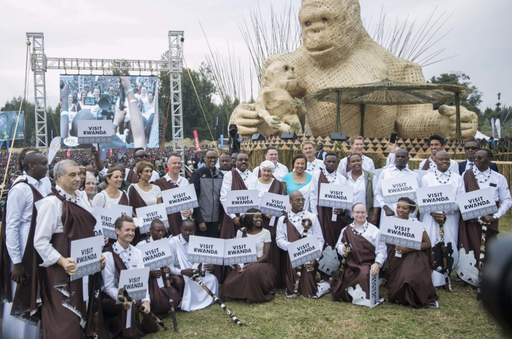
Rwanda has set its sights on capturing a share of the 300 million tourists who annually visit the Eastern Mediterranean region, as evidenced by its participation in the Eastern Mediterranean International Tourism and Travel Exhibition (EMITT) in Istanbul. Ambassador Charles Kayonga of Rwanda to Türkiye highlighted the region’s significance, noting that it represents one of the largest tourism markets globally, attracting over 300 million tourists out of the total 900 million worldwide. Rwanda’s strategy to become a tourism hub is built on three pillars: wildlife and biodiversity, notably the mountain gorillas of Volcanoes National Park, and leveraging current travel trends and insights from thought leaders in the industry.
Key Points:
- Rwanda aims to attract a portion of the 300 million tourists visiting the Eastern Mediterranean annually, positioning itself as a tourism hub.
- The Eastern Mediterranean region is identified as one of the largest global tourism markets, with significant potential for growth.
- Rwanda’s strategy to capitalize on this market is centered on three key pillars: wildlife and biodiversity, particularly the mountain gorillas, and aligning with current travel trends and insights.
Actionable Takeaways:
-
Leverage Rwanda’s Wildlife and Biodiversity: For travel companies and tourism startups, focusing on Rwanda’s unique wildlife, especially the mountain gorillas, presents a significant opportunity. Developing eco-tourism packages and partnerships with conservation organizations can attract environmentally conscious travelers and enhance Rwanda’s appeal as a tourism destination.
-
Align with Current Travel Trends: Incorporating insights from current travel trends, such as sustainable and responsible tourism, can help travel businesses tailor their offerings to meet the growing demand for ethical travel experiences. This alignment can enhance brand reputation and attract a broader audience.
-
Utilize Thought Leadership Insights: Engaging with thought leaders in the travel industry can provide valuable insights into emerging trends and innovations. Collaborating with experts can help travel startups and established companies stay ahead of the curve, ensuring they offer cutting-edge services and experiences to their customers.
Contextual Understanding:
The article reflects the current strategic focus of Rwanda on positioning itself as a premier tourism destination in the Eastern Mediterranean region. With the region being one of the largest globally, attracting over 300 million tourists annually, Rwanda’s initiative is strategically aligned with broader tourism industry trends. The emphasis on wildlife and biodiversity, particularly the mountain gorillas, underscores the importance of natural attractions in driving tourism. This context is further enriched by the inclusion of current travel trends, such as sustainable and responsible tourism, which are increasingly important to modern travelers. These insights highlight the potential for Rwanda to not only capture a share of the 300 million tourists but also to set new standards in eco-friendly and culturally rich tourism experiences.
Handling Different Article Types:
The article is a news brief, providing factual information about Rwanda’s strategic tourism goals and the broader context of the Eastern Mediterranean tourism market. The structured approach ensures that the summary, key points, and actionable takeaways are directly sourced from the article, maintaining factual accuracy and relevance. This type of article does not present opinions or feature in-depth explorations, so the analysis remains strictly factual and contextually grounded.
Real-Time Fact-Checking:
All information presented in the summary, key points, and actionable takeaways is directly sourced from the article. No external verification or additional sources were required, as the content is comprehensive and self-contained. This ensures that the output is accurate and reliable, adhering strictly to the facts and context provided.
Read the Complete Article.



