












Article Summary:
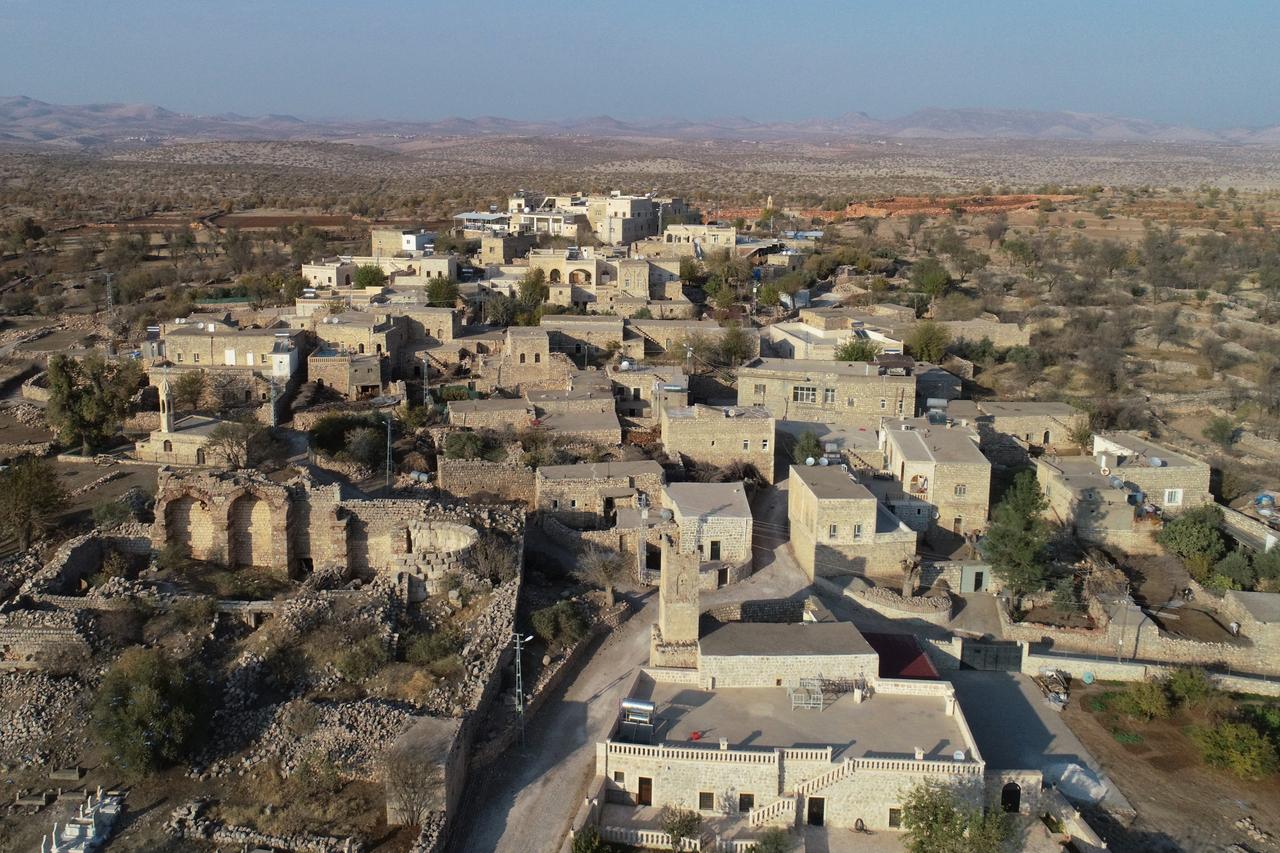
Anıtlı, a centuries-old settlement in Mardin, Türkiye, has been recognized by the U.N. World Tourism Organization as one of the “Best Tourism Villages 2025.” This inclusion highlights the village’s preserved stone architecture and deep religious heritage, contributing to the region’s growing momentum in cultural and faith tourism. The recognition underscores Mardin’s strategic position in the tourism sector, particularly in faith-based travel.
Key Points:
- Anıtlı, previously known as “Hah,” has been included in the U.N. World Tourism Organization’s “Best Tourism Villages 2025” list.
- The village is celebrated for its preserved stone architecture and rich religious heritage.
- The recognition is expected to strengthen the region’s position in cultural and faith tourism, contributing to its fast-growing momentum.
Actionable Takeaways:
- Tourism Investment Opportunities: The inclusion of Anıtlı in the “Best Tourism Villages 2025” list presents a significant opportunity for tourism investment in the Mardin region. Stakeholders, including local governments, tourism boards, and private investors, should consider developing infrastructure and services that cater to faith-based and cultural tourism, leveraging the village’s unique heritage.
- Cultural Tourism Promotion: The recognition highlights the potential for promoting cultural tourism in the region. Travel agencies and tour operators can develop specialized itineraries that highlight Anıtlı’s historical and religious significance, attracting a niche market of culturally inclined travelers.
- Enhanced Heritage Preservation: The inclusion in the UN World Tourism Organization’s list underscores the importance of heritage preservation. Local authorities and heritage organizations should prioritize the conservation of Anıtlı’s stone architecture and religious sites to maintain their appeal to tourists and ensure sustainable tourism practices.
Contextual Insights:
The inclusion of Anıtlı in the “Best Tourism Villages 2025” list reflects broader trends in the travel industry towards cultural and faith tourism. As travelers increasingly seek authentic and culturally rich experiences, destinations that offer deep historical and religious significance are gaining prominence. This trend aligns with the growing demand for sustainable and responsible tourism, where preservation of cultural heritage is prioritized. For the travel industry, this presents an opportunity to innovate in travel tech, offering enhanced booking platforms, virtual tours, and personalized travel experiences that cater to the growing interest in cultural and faith-based travel. Additionally, the recognition can stimulate further investment in related sectors such as fintech, with the development of travel financing solutions tailored for heritage tourism.
Read the Complete Article.



