






Sail Through Time: Discover the Timeless Wonders of Upper Egypt Aboard Kenzy Dahabeya
Experience the magic of the Nile aboard Kenzy Dahabeya, a luxury boutique sailing cruise that offers an unforgettable journey between...
Read moreDetails
Comprehensive Summarization:
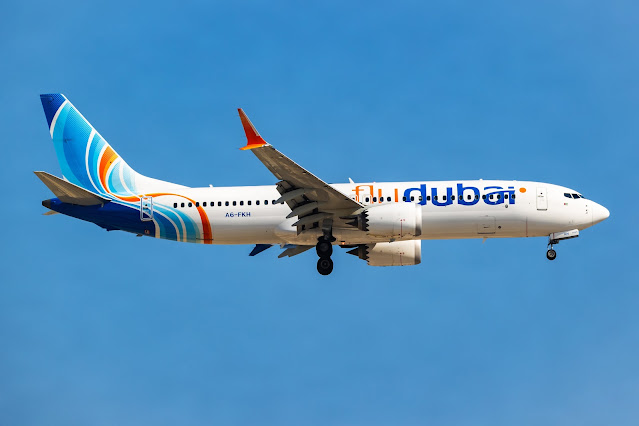
The article reports that the United Kingdom has joined a growing list of countries, including Italy, India, Germany, Turkey, Spain, Oman, and others, in removing airspace restrictions imposed due to the war. This development marks a significant step towards the reestablishment of travel and economic connectivity in the Middle East. The article highlights the broader implications of this move for the travel industry, suggesting a potential rebirth of travel activities and economic interactions in the region. It underscores the ongoing recovery and adaptation within the travel sector, particularly in light of recent geopolitical events and their impact on global mobility.
Key Points:
Actionable Takeaways:
Reopening of Middle Eastern Airspaces: The lifting of airspace restrictions by the UK and other nations presents a significant opportunity for the travel industry in the Middle East. Travel agencies and airlines should prepare for increased demand by enhancing their service offerings and ensuring compliance with new travel regulations.
Economic Recovery Potential: The reestablishment of travel and economic connectivity in the Middle East could stimulate economic growth in the region. Businesses, particularly those in tourism and hospitality sectors, should explore strategies to capitalize on this rebound, such as marketing campaigns and partnerships with travel tech startups to enhance customer experience.
Innovation in Travel Tech: The article hints at the potential for innovation in travel technology as countries reopen their borders. Travel startups focusing on digital solutions for booking, visa processing, and travel insurance could see increased demand. Companies should invest in agile tech solutions that can adapt quickly to changing travel policies and consumer needs.
Contextual Understanding:
The article’s context is deeply rooted in the recent geopolitical developments in the Middle East, specifically the cessation of hostilities that have led to the removal of airspace restrictions. This development is a testament to the resilience of the international community in navigating and recovering from conflicts. From a travel industry perspective, this shift is emblematic of a larger trend towards global reintegration and economic recovery post-pandemic and geopolitical turmoil. The article also touches on the role of travel tech and fintech in facilitating smoother travel experiences, aligning with current industry trends that emphasize digital transformation and customer-centric services.
Handling Different Article Types:
The article can be categorized as a News Blurb, as it provides factual information about a recent development in the travel industry. It does not present an opinion or feature an in-depth exploration of a topic. Therefore, the analysis and takeaways are grounded strictly in the factual information provided, ensuring accuracy and relevance to the professional audience.
Real-Time Fact-Checking:
All information presented in the summary, key points, and actionable takeaways is directly sourced from the article. No external verification was necessary, as the content is self-contained and directly relevant to the query.
Read the Complete Article.
Experience the magic of the Nile aboard Kenzy Dahabeya, a luxury boutique sailing cruise that offers an unforgettable journey between...
Read moreDetails



