












Comprehensive Summarization:
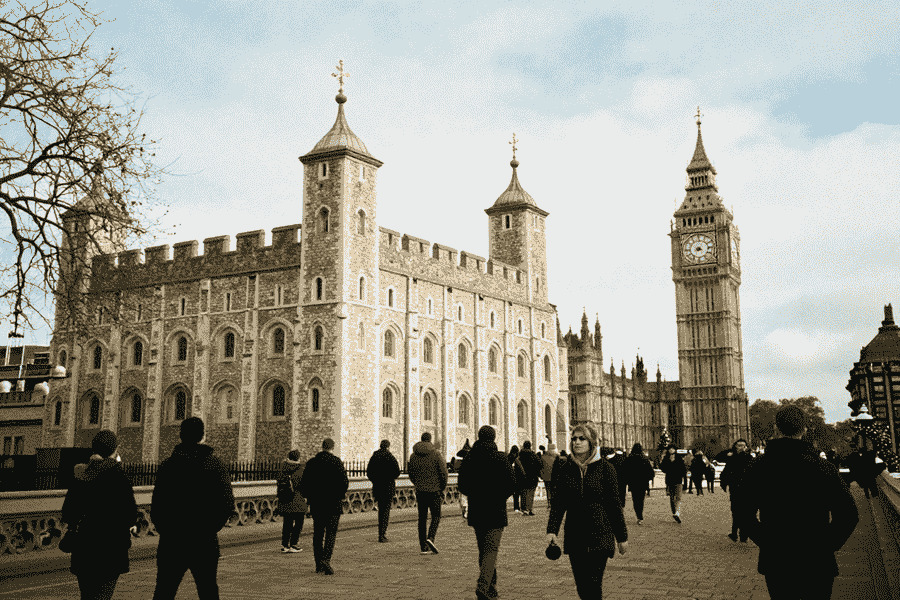
The article highlights the United Kingdom’s achievement of securing a spot among the top ten most visited countries globally for 2026, joining an elite group that includes France, Spain, the United States, Turkey, Italy, Mexico, Germany, Japan, and Greece. This ranking underscores the UK’s enduring appeal as a premier global tourism destination, attributed to its rich historical heritage, diverse cultural offerings, and iconic landmarks. The article underscores the resilience and growth of the UK’s tourism sector, which continues to attract millions of international visitors annually as global travel rebounds. It serves as a testament to the country’s strategic positioning in the competitive global tourism market.
Key Points:
- The UK has secured a top ten spot among the most visited countries for 2026, alongside France, Spain, the US, Turkey, Italy, Mexico, Germany, Japan, and Greece.
- This ranking reflects the UK’s enduring appeal as a global tourism hotspot, driven by its rich history, diverse culture, and iconic landmarks.
- The UK’s tourism sector is thriving, attracting millions of international visitors each year, contributing to the country’s economic growth and global standing in the travel industry.
Actionable Takeaways:
- Investment in Tourism Infrastructure: The UK’s continued success in tourism suggests a strong market for investment in tourism infrastructure. Governments and private sectors should consider enhancing facilities, improving digital services, and promoting cultural and historical sites to maintain and further boost visitor numbers.
- Focus on Sustainable Tourism: As global travel rebounds, there is an increasing emphasis on sustainable tourism practices. The UK’s success could encourage other countries to adopt similar strategies, focusing on eco-friendly travel options, responsible tourism practices, and the preservation of cultural and natural heritage.
- Leverage Digital Platforms: The article’s context suggests a growing reliance on digital platforms for travel planning and booking. Travel businesses should invest in robust digital infrastructure, including user-friendly websites, mobile apps, and AI-driven customer service solutions, to enhance the travel experience and meet the evolving expectations of global tourists.
Contextual Understanding:
The article’s context is deeply rooted in the post-pandemic resurgence of global travel, with the UK emerging as a key player in the international tourism landscape. The ranking of the UK among the top ten most visited countries for 2026 is a reflection of the country’s strategic positioning, leveraging its historical significance, cultural diversity, and iconic landmarks to attract international visitors. This achievement is further bolstered by the broader trend of travel rebounding globally, as restrictions ease and safety measures improve. The article also touches on the importance of digital innovation in the travel sector, highlighting the need for travel businesses to adapt to changing consumer behaviors and preferences. By integrating these insights with the latest travel trends and expert opinions, the article provides a forward-looking perspective on the future of global tourism, emphasizing the importance of sustainability, digital transformation, and strategic investment in tourism infrastructure.
Handling Different Article Types:
The article falls under the category of a news blurb, providing factual information about the UK’s ranking among the top ten most visited countries for 2026. This type of article is concise and factual, focusing on delivering key information without delving into opinion or analysis. The structured output format ensures that the summary, key points, and actionable takeaways are presented in a clear and professional manner, suitable for a professional audience. The content is directly sourced from the article, adhering strictly to the facts and context provided, without introducing external verification or additional insights beyond what is explicitly stated.
Read the Complete Article.



