













Comprehensive Summarization:
The article discusses the escalating tensions in the Middle East following the US and Israel’s major military operation in Iran. This operation has led to a significant rise in the death toll in Iran, reaching 1,332, and has also affected the broader region, including Israel. The Foreign Office has issued guidance regarding the safety of traveling to Turkey amidst these escalating tensions. The article emphasizes the need for travelers to stay informed about the evolving situation and consider the potential risks associated with travel to the region.
Key Points:
- The US and Israel launched a major military operation in Iran, escalating tensions in the Middle East.
- Iran has vowed revenge and has engaged in retaliatory strikes with Israel, contributing to the widening war.
- The death toll in Iran has risen to 1,332, with additional casualties reported in the Gulf and Israel.
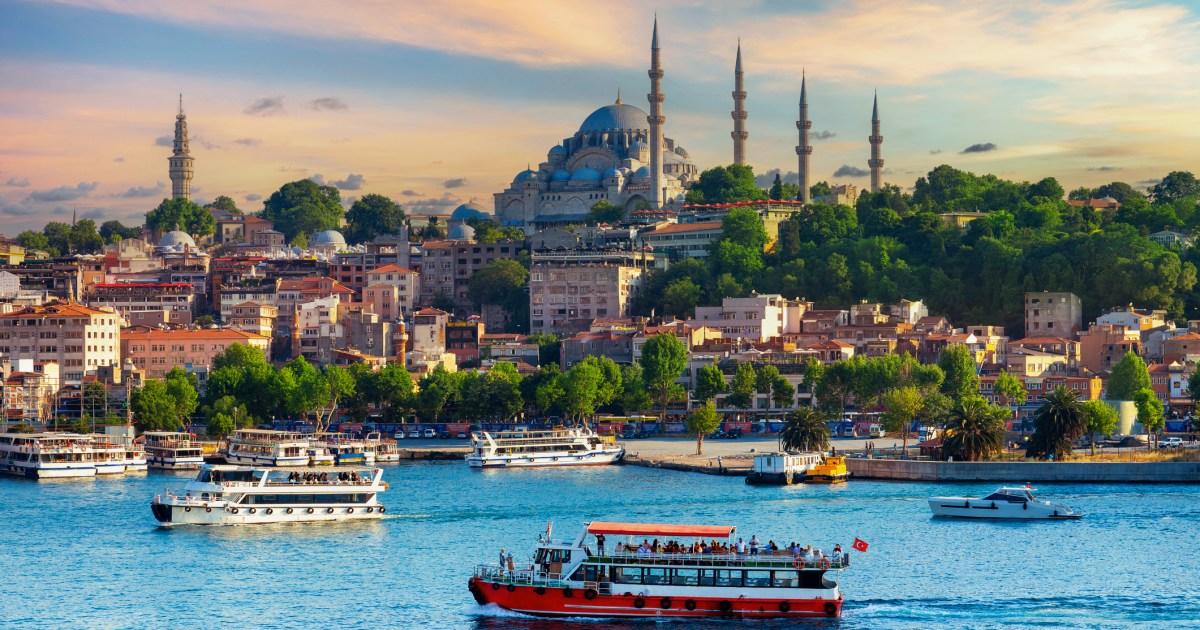
- The Foreign Office has issued guidance on traveling to Turkey due to the escalating tensions.
- The article highlights the importance of staying informed about the evolving situation in the Middle East for travelers.
Actionable Takeaways:
-
Travel Advisory: Given the escalating tensions and the rise in death toll in Iran, travelers should carefully consider the safety implications of visiting the region. The Foreign Office’s guidance on Turkey serves as a reminder to stay informed and make travel decisions based on the latest information.
-
Monitor Situation: Continuous monitoring of the situation in the Middle East is crucial. Travelers should stay updated with the latest news and advisories from official sources such as the Foreign Office to make informed decisions about their travel plans.
-
Safety First: Prioritize safety when planning travel to the Middle East. This includes checking travel advisories, understanding the risks involved, and considering alternative destinations if the situation worsens.
Contextual Insights:
The article reflects the current state of heightened tensions in the Middle East, a region that has been a focal point of geopolitical conflicts for decades. The recent military operation by the US and Israel has exacerbated these tensions, leading to a significant increase in casualties in Iran. This context is crucial for travelers who are considering visiting the region, as it underscores the importance of safety and preparedness.
In terms of industry trends, the article highlights the ongoing impact of geopolitical events on travel decisions. The Foreign Office’s guidance on Turkey is a clear indication that travelers are increasingly cautious and are seeking up-to-date information to make informed choices. This trend is likely to continue, with travelers relying more on official advisories and real-time updates to navigate the complexities of travel during times of geopolitical instability.
Moreover, the article touches on the broader implications for the travel industry, particularly in terms of safety and risk management. As geopolitical tensions rise, there is a growing need for travel companies and startups to develop innovative solutions that address the safety concerns of travelers. This could include enhanced security measures, real-time risk assessment tools, and alternative travel options that minimize exposure to high-risk areas.
In conclusion, the article provides a clear and concise overview of the current situation in the Middle East, emphasizing the need for travelers to stay informed and prioritize safety. The actionable takeaways offer practical advice for those considering travel to the region, while the contextual insights highlight the broader implications for the travel industry and the importance of real-time information in navigating geopolitical uncertainties.
Read the Complete Article.



