












Comprehensive Summarization:
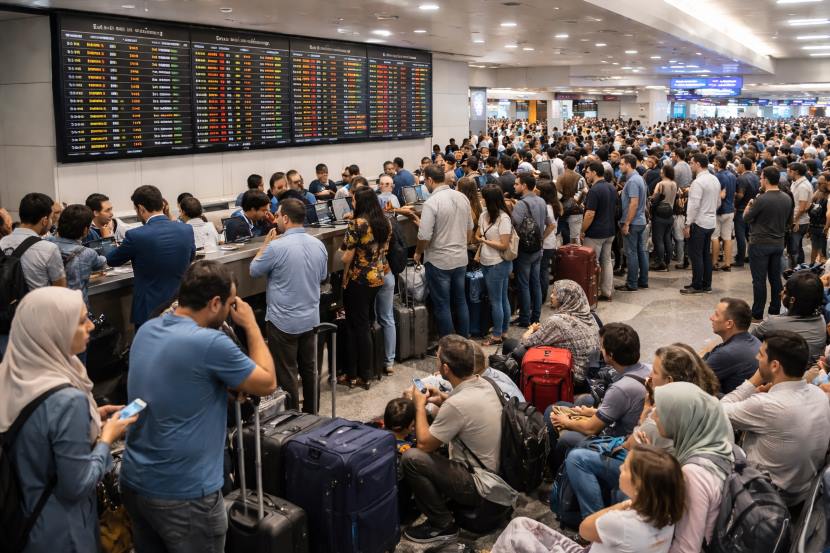
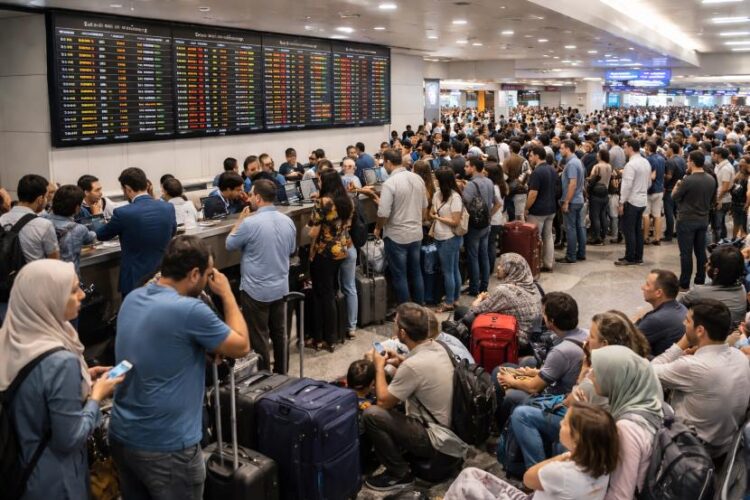
The article reports a significant air travel disruption in the Middle East, affecting major airports in Saudi Arabia, the UAE, Oman, and Kuwait. FlyDubai, Gulf Air, Saudia, Qatar Airways, and other airlines have collectively canceled 10 flights and caused 360 delays. This disruption has stranded thousands of passengers, causing significant inconvenience and impacting travel plans across the region. The article highlights the challenges faced by the travel industry in maintaining operational efficiency during such disruptions and underscores the importance of robust contingency planning and communication strategies for airlines and passengers alike.
Key Points:
- Massive air travel disruption affecting major airports in the Middle East, including Saudi Arabia, UAE, Oman, and Kuwait.
- FlyDubai, Gulf Air, Saudia, Qatar Airways, and other airlines have canceled 10 flights and caused 360 delays.
- Thousands of passengers have been stranded, leading to significant inconvenience and operational challenges for the travel industry.
- The disruption highlights the need for robust contingency planning and effective communication strategies in the travel sector.
Actionable Takeaways:
-
Implement Robust Contingency Plans: Airlines should develop and regularly update contingency plans to swiftly manage disruptions, ensuring minimal impact on passengers and maintaining operational efficiency. This includes real-time communication strategies to keep passengers informed and manage expectations.
-
Enhance Passenger Communication: Airlines must improve communication channels to promptly inform passengers about flight cancellations and delays. Clear, timely updates can significantly reduce passenger frustration and improve overall satisfaction during disruptions.
-
Invest in Technology for Real-Time Tracking: Leveraging advanced travel tech solutions for real-time flight tracking and passenger updates can enhance operational transparency. This technology can help airlines manage disruptions more effectively and provide passengers with accurate, up-to-date information.
Contextual Understanding:
The article reflects the current challenges faced by the travel industry in the Middle East, where frequent disruptions can significantly impact travel logistics and passenger experience. The recent disruptions underscore the importance of technological advancements in travel management, such as real-time tracking systems and improved communication platforms. These innovations are crucial for maintaining operational efficiency and ensuring passenger satisfaction during unforeseen events. The article also highlights the broader trend of increased airline cancellations and delays, which necessitates a proactive approach to disruption management across the industry.
Handling Different Article Types:
The article is a news blurb, providing factual information about a recent travel disruption. The summary, key points, and actionable takeaways are structured to convey the essential information clearly and concisely, suitable for a professional audience. The context provided integrates recent events and industry trends, offering forward-looking insights into the challenges and potential solutions within the travel sector.
Read the Complete Article.



