












Article Summary:
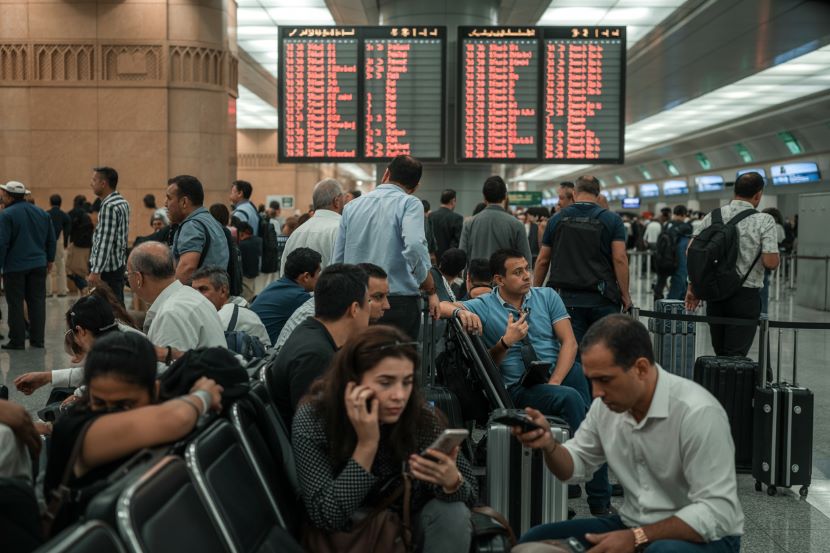
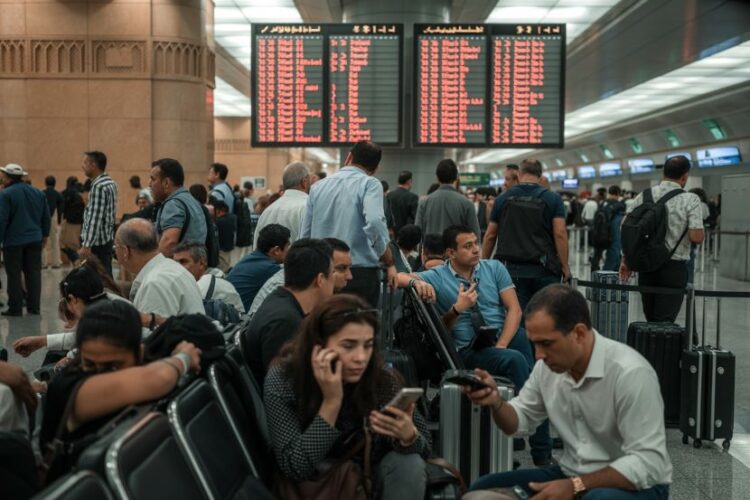
The Middle East is currently experiencing significant travel disruptions, with 220 flights delayed and 9 canceled by major airlines including FlyDubai, Emirates, Saudia, and Gulf Air. This widespread issue has trapped thousands of passengers across cities such as Jeddah, Riyadh, and Dubai. The article highlights the challenges faced by travelers and the operational difficulties faced by airlines in the region.
Key Points:
- Widespread flight delays and cancellations affecting thousands of passengers across the Middle East.
- Major airlines such as FlyDubai, Emirates, Saudia, and Gulf Air are impacted by the disruptions.
- The disruptions have trapped passengers in major cities including Jeddah, Riyadh, and Dubai.
- The article describes the situation as a “travel nightmare.”
Actionable Takeaways:
- Enhanced Communication Strategies: Airlines should improve communication with passengers regarding delays and cancellations to manage expectations and reduce anxiety. This could involve real-time updates through mobile apps and social media platforms.
- Increased Flexibility in Travel Policies: Travelers should be encouraged to opt for flexible ticket options that allow for changes or refunds without hefty penalties, especially in regions prone to such disruptions. This can help mitigate the financial impact on consumers.
- Investment in Resilient Infrastructure: Airlines and airports should invest in more resilient infrastructure and operational protocols to better handle unexpected disruptions. This could include backup systems for critical operations and contingency plans for adverse weather or other unforeseen events.
Contextual Insights:
The current travel disruptions in the Middle East underscore the vulnerabilities within the global travel infrastructure, particularly in regions that are critical transit points for international travel. This situation highlights the need for continuous improvements in airline operations, passenger communication, and infrastructure resilience. As the travel industry continues to recover from the impacts of recent global events, such as the COVID-19 pandemic, the ability to adapt to unforeseen challenges will be crucial. Innovations in travel technology, such as advanced predictive analytics for weather patterns and real-time flight tracking, could play a significant role in mitigating future disruptions. Additionally, the rise of travel startups focused on enhancing passenger experience and operational efficiency presents opportunities for collaboration and innovation within the industry.
Read the Complete Article.



