












Article Summary:
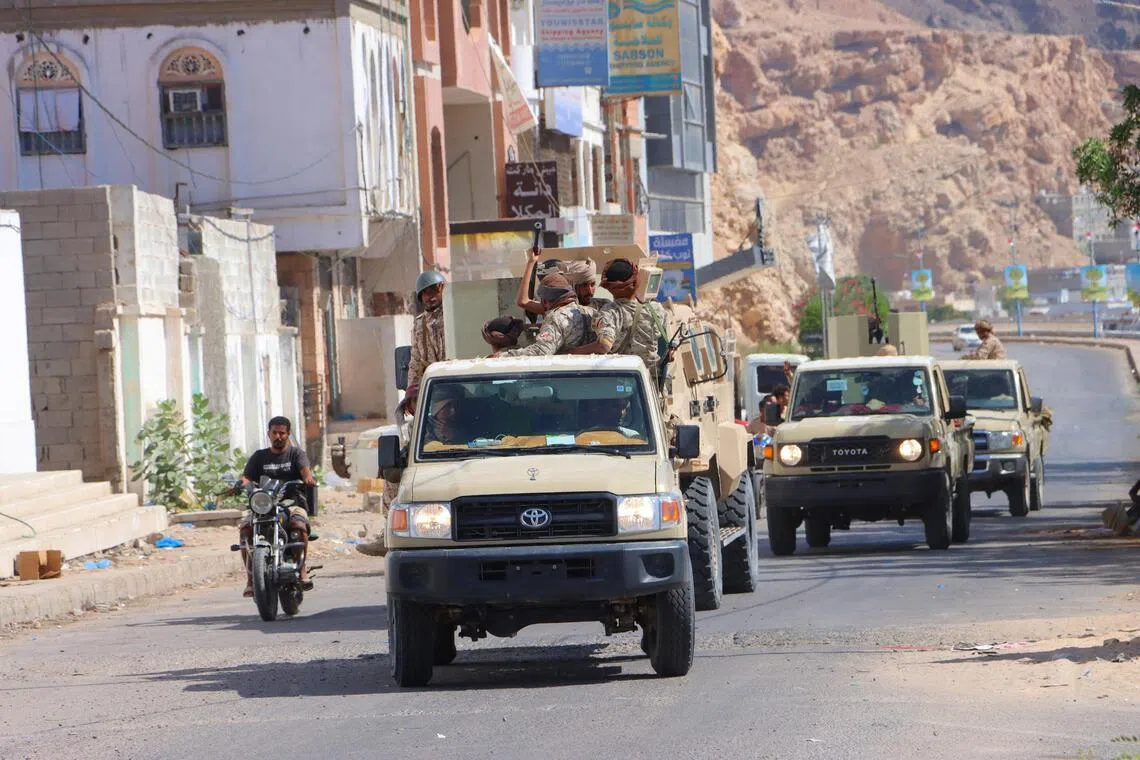
On January 5, hundreds of tourists are stranded on the Yemeni island of Socotra due to flight restrictions caused by ongoing clashes on the mainland. The situation escalated after a flare-up of violence between rival armed factions, which are loosely grouped under the government but are backed by the United Arab Emirates and Saudi Arabia. The conflict has led to the grounding of flights in and out of Yemen, causing significant disruption for tourists and travel agencies.
Key Points:
- Hundreds of tourists are stranded on Socotra due to flight restrictions.
- The conflict in Yemen has led to the grounding of flights in and out of the country.
- The violence is between rival armed factions backed by the UAE and Saudi Arabia.
- Socotra’s deputy governor for culture and tourism, Mr. Yahya, is among those addressing the situation.
Actionable Takeaways:
- Travel Industry Impact: The grounding of flights has caused significant disruption for tourists, highlighting the vulnerability of the travel industry to geopolitical conflicts. Travel agencies and tour operators should develop contingency plans for such disruptions, including alternative routes and communication strategies to keep clients informed.
- Geopolitical Risks in Travel: The involvement of major regional powers like the UAE and Saudi Arabia underscores the geopolitical risks associated with travel to conflict zones. Travel companies should conduct thorough risk assessments and consider the political stability of destinations before planning trips or marketing campaigns.
- Need for Enhanced Communication: Effective communication is crucial in crisis situations. Travel companies should invest in real-time communication tools to keep stranded tourists and their families informed about the situation and any updates on flight rescheduling.
Contextual Insights:
The article reflects the current challenges faced by the travel industry in regions affected by conflict. The reliance on external powers like the UAE and Saudi Arabia for intervention highlights the complex geopolitical landscape that travel companies operate within. This situation underscores the importance of travel tech innovations that can facilitate real-time updates and alternative travel planning. Furthermore, the incident emphasizes the need for travel agencies to prioritize risk management and customer communication, ensuring that they can navigate and mitigate the impacts of geopolitical instability on their operations. As the travel industry continues to evolve, staying ahead of such challenges through technological advancements and strategic planning will be crucial for sustained growth and resilience.
Read the Complete Article.



