













Article Summary:
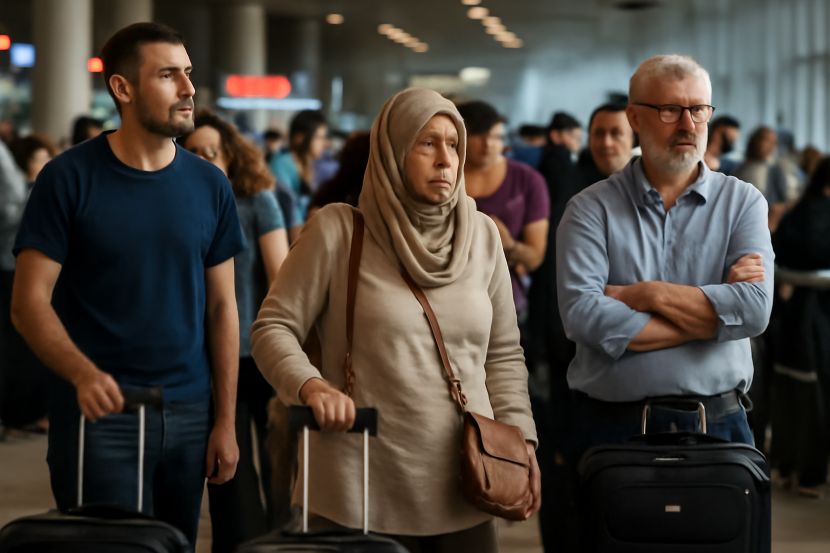
The article reports significant disruptions at major air travel hubs in the Middle East, including Dubai, Hamad, and King Abdulaziz International airports. Emirates, Qatar Airways, and Saudia Airlines faced 506 flight delays and six cancellations, causing major inconveniences for passengers. The disruption highlights ongoing challenges in the travel industry, particularly in managing large-scale operational issues across multiple airlines and airports.
Key Points:
- Emirates, Qatar Airways, and Saudia Airlines experienced 506 flight delays and six cancellations across Dubai, Doha, Jeddah, and other airports.
- The disruptions affected major travel hubs in the Middle East, impacting Dubai, Hamad, and King Abdulaziz International airports.
- The incident led to heavy inconveniences for passengers, highlighting operational challenges in the travel sector.
Actionable Takeaways:
- Enhanced Operational Resilience: Airlines should invest in advanced operational management systems to mitigate delays and cancellations. This includes predictive analytics for weather and traffic impacts, ensuring smoother operations and improved passenger experience.
- Strengthened Passenger Communication: Airlines must improve communication strategies during disruptions. Real-time updates via mobile apps and social media can help manage passenger expectations and reduce frustration, which is crucial for maintaining customer loyalty.
- Collaborative Industry Solutions: There is a need for greater collaboration among airlines, airports, and regulatory bodies to develop standardized protocols for handling large-scale disruptions. This could involve shared resources, joint contingency planning, and industry-wide training programs to enhance preparedness.
Contextual Insights:
The disruptions at major Middle Eastern airports underscore the vulnerabilities in the current travel infrastructure, particularly in managing large-scale operational issues. This situation is reflective of broader industry trends where technological advancements and operational efficiencies are critical. The incident also highlights the importance of real-time communication and passenger-centric strategies in maintaining trust and satisfaction. Looking forward, the travel industry must continue to innovate in areas such as AI-driven logistics, enhanced cybersecurity measures for digital ticketing, and sustainable practices to address both operational challenges and environmental concerns. These insights are crucial for travel startups and fintech companies aiming to provide solutions that enhance operational resilience and passenger experience.
Read the Complete Article.



