













Article Summary:
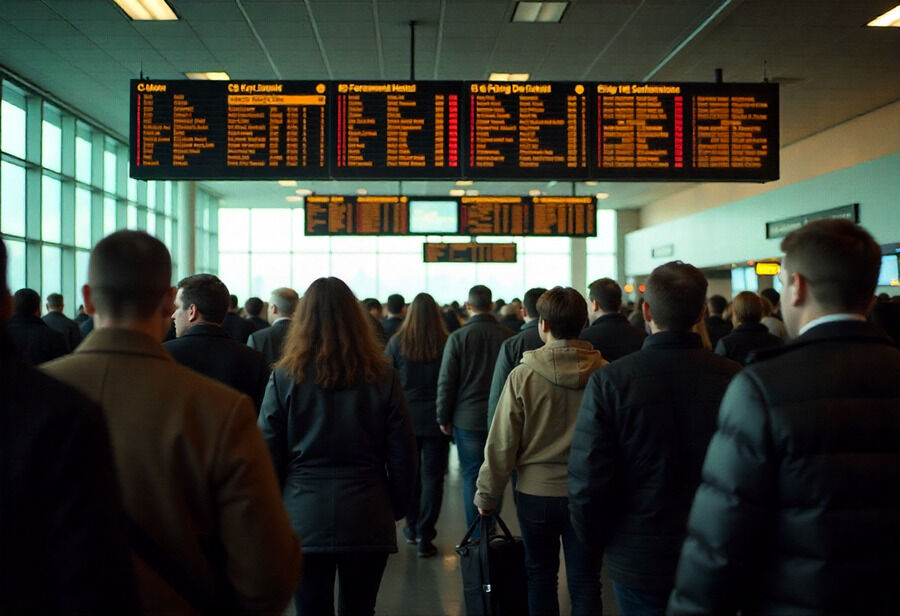
Turkey, UAE, and Saudi Arabia are currently experiencing significant travel disruptions due to 778 flights being delayed and 62 flights canceled. This situation has stranded thousands of passengers across major airports in Dubai, Istanbul, Jeddah, and other key locations. The disruptions highlight ongoing challenges in the travel industry, particularly in regions with high tourist and business activity.
Key Points:
- Flight Disruptions: 778 flights are delayed, and 62 flights have been canceled across Turkey, UAE, and Saudi Arabia, affecting thousands of passengers.
- Affected Locations: The disruptions are particularly severe in Dubai, Istanbul, and Jeddah, which are major hubs for both tourism and business travel.
- Impact on Passengers: Thousands of passengers are stranded, leading to significant inconvenience and potential economic impacts for airlines and travel-related businesses in these regions.
- Contextual Factors: The article does not provide additional context beyond the immediate disruptions, such as reasons for the delays or cancellations, or any immediate responses from the airlines or governments involved.
Actionable Takeaways:
- Enhanced Communication Strategies: Airlines and travel agencies should improve communication with passengers regarding flight status updates. Real-time notifications via mobile apps and email can help mitigate passenger frustration and improve trust in the travel service.
- Invest in Resilient IT Systems: The disruptions underscore the importance of robust IT infrastructure for managing flight schedules and passenger data. Investing in scalable, reliable systems can help airlines quickly adapt to unforeseen disruptions and minimize passenger impact.
- Focus on Customer Service: With thousands of passengers stranded, airlines should prioritize exceptional customer service. Offering compensation, such as refunds, rebooking options, or additional amenities, can help retain customer loyalty and improve brand reputation.
Contextual Insights:
The article reflects current challenges in the travel industry, particularly in regions with high tourist and business activity. The disruptions highlight the vulnerabilities in global travel networks and the need for improved resilience in travel logistics. As the travel industry continues to recover from pandemic-related restrictions, innovations in travel tech, such as AI-driven predictive analytics for flight delays and enhanced customer service platforms, will be crucial. Thought leaders emphasize the importance of leveraging technology to enhance operational efficiency and passenger experience, ensuring that disruptions are minimized and managed effectively.
Read the Complete Article.



