












Article Summary:
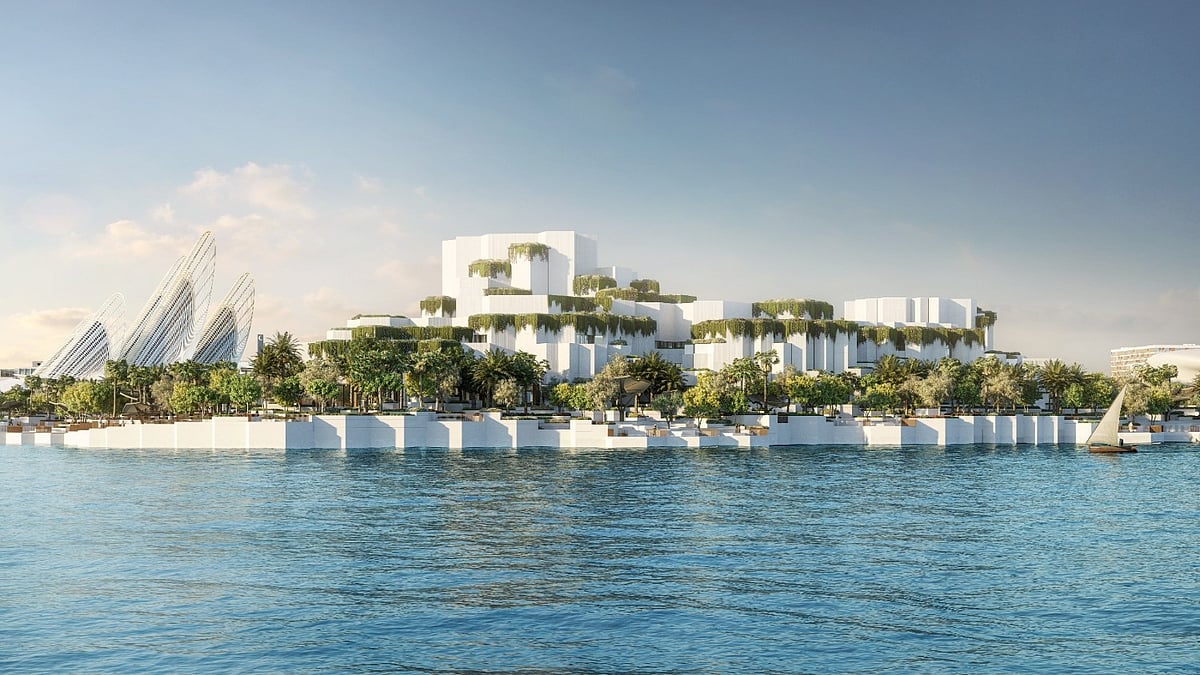
The Louvre Abu Dhabi is highlighted as a destination where world-class art from across the globe meets architectural brilliance. The museum, set beneath its iconic domed roof, features a sun-dappled interior created by the intricate web-patterned canopy. Spanning over 24,000 square meters, the structure is visually contrasted by the surrounding water, giving it an almost floating appearance. Inside, the galleries trace the history of humanity through art.
Key Points:
- The Louvre Abu Dhabi showcases world-class art from across the globe within a stunning architectural setting.
- The museum’s design incorporates a sun-dappled interior created by a web-patterned canopy, enhancing the visitor experience.
- The museum spans more than 24,000 square meters and is visually contrasted by the surrounding water, giving it an almost floating appearance.
- The galleries within the museum trace the history of humanity through art.
Actionable Takeaways:
- Architectural Innovation in Tourism: The Louvre Abu Dhabi’s innovative design, combining world-class art with cutting-edge architecture, sets a new standard for cultural tourism destinations. This could inspire other museums and cultural institutions to invest in architectural innovation to enhance visitor experiences and attract global audiences.
- Integration of Technology in Cultural Institutions: The use of natural light filtering through the canopy’s intricate web-patterned design showcases how technology can be seamlessly integrated into cultural spaces. This trend highlights the potential for further technological integration in travel and tourism, such as augmented reality (AR) and virtual reality (VR) experiences, to enhance visitor engagement and accessibility.
Contextual Insights:
The Louvre Abu Dhabi exemplifies the current trend of blending cultural heritage with modern architectural brilliance, reflecting a broader industry shift towards creating immersive and innovative visitor experiences. This aligns with the growing emphasis on experiential travel, where technology plays a crucial role in enhancing engagement and accessibility. As the travel industry continues to evolve, such innovations are likely to become more prevalent, offering new opportunities for cultural institutions to attract and retain visitors in a competitive market. The integration of natural elements, like water, with architectural features also underscores a growing trend towards sustainable and environmentally conscious design in the travel sector.
Read the Complete Article.



