










Sail Through Time: Discover the Timeless Wonders of Upper Egypt Aboard Kenzy Dahabeya
Experience the magic of the Nile aboard Kenzy Dahabeya, a luxury boutique sailing cruise that offers an unforgettable journey between...
Read moreDetails
Comprehensive Summarization:
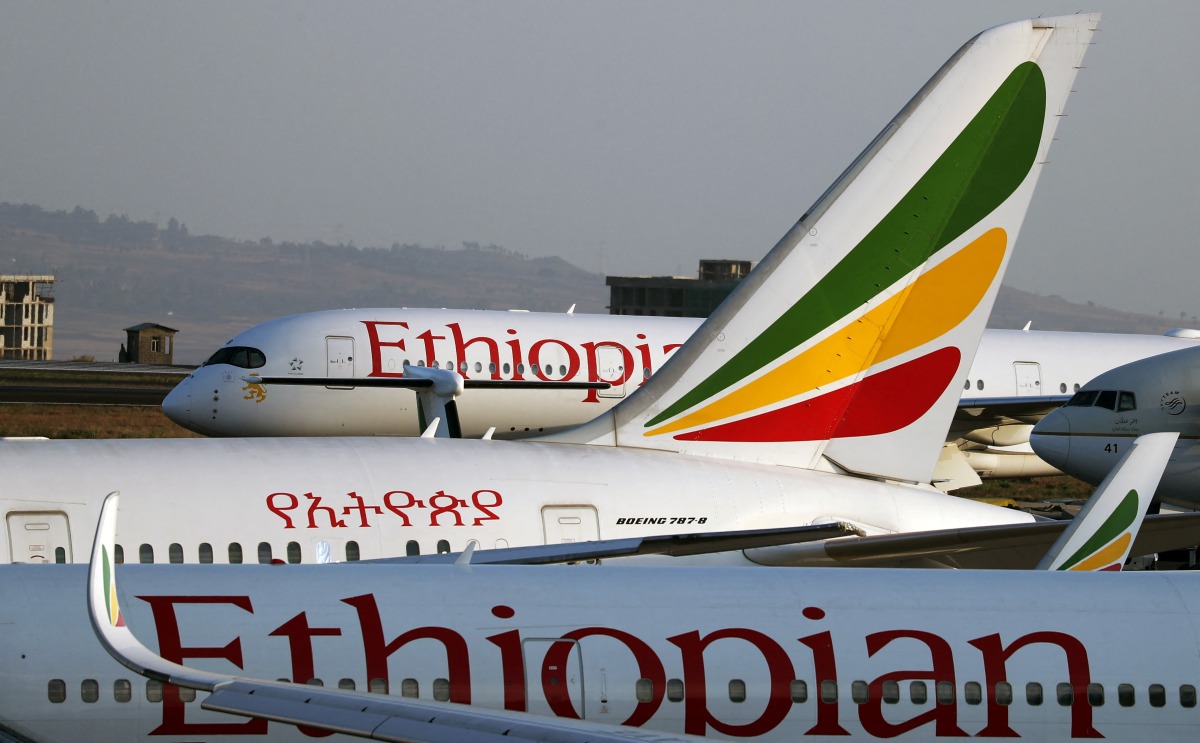
The article reports on a significant disruption in air travel across Asia, with flights cancelled in Mongolia, the UAE, China, Japan, and Indonesia. A total of 2,239 flights were delayed, and 475 were cancelled, impacting major airlines such as China Express, Air India, FlyDubai, and Cathay Pacific. The affected routes include Hohhot, Dubai, Shanghai, Osaka, and Jakarta. The disruption is attributed to various factors, including weather conditions and logistical challenges, affecting China Express, Air India, FlyDubai, Cathay Pacific, and other airlines operating in these regions. This event highlights the vulnerabilities in the global air travel network and underscores the need for robust contingency planning in the travel industry.
Key Points:
Actionable Takeaways:
Contextual Insights:
The recent flight cancellations in Asia reflect broader trends in the travel industry, where external factors such as weather and logistical challenges can significantly impact operations. This event aligns with the growing emphasis on resilience and adaptability in travel tech, as companies seek to enhance their operational capabilities in the face of increasing uncertainties. The disruption also highlights the importance of leveraging technology for real-time monitoring and agile decision-making, a trend that is gaining traction among travel startups and fintech innovators. As the industry continues to evolve, the ability to swiftly adapt to disruptions will be crucial for maintaining operational efficiency and customer satisfaction.
Read the Complete Article.
Experience the magic of the Nile aboard Kenzy Dahabeya, a luxury boutique sailing cruise that offers an unforgettable journey between...
Read moreDetails



