


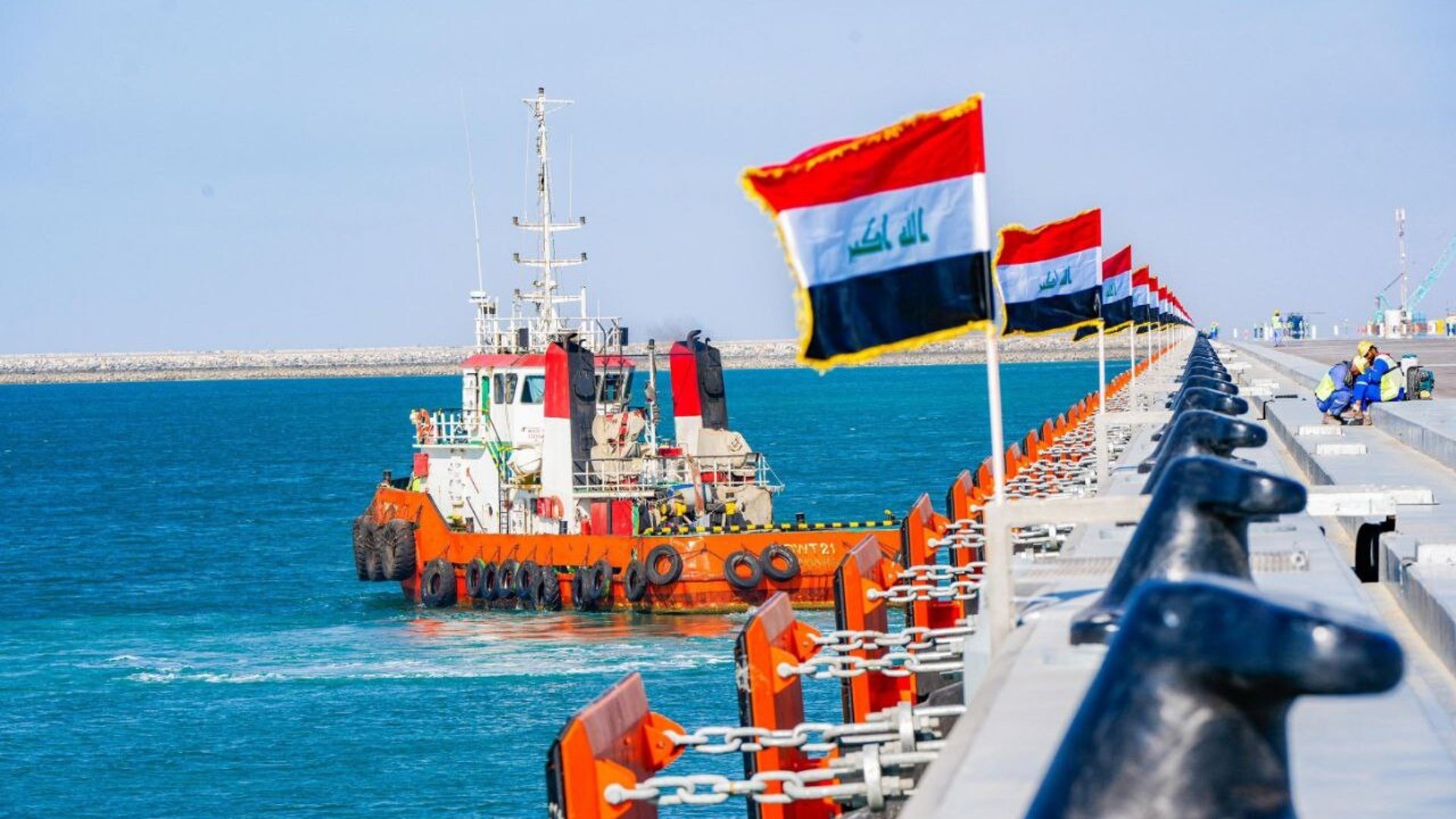









Sail Through Time: Discover the Timeless Wonders of Upper Egypt Aboard Kenzy Dahabeya
Experience the magic of the Nile aboard Kenzy Dahabeya, a luxury boutique sailing cruise that offers an unforgettable journey between...
Read moreDetails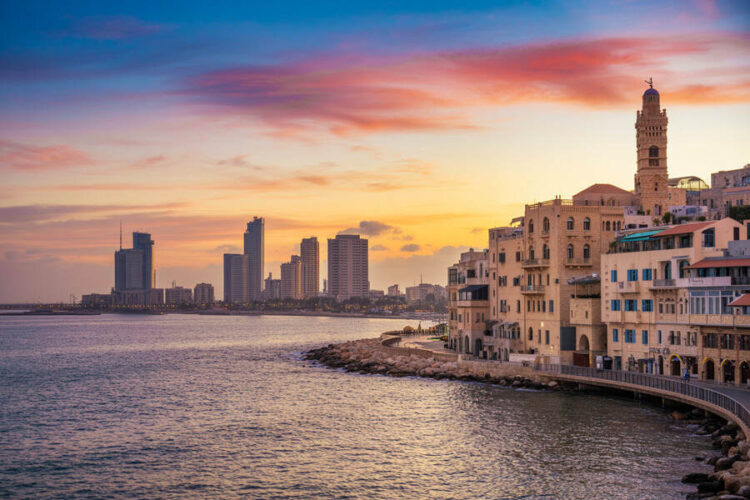
Israel Joins Qatar, Iran, Iraq, Bahrain, UAE, Kuwait and More as Australia Issues New Travel Advisor...
Comprehensive Summarization:
Australia has issued a “Do Not Travel” advisory for Israel, Qatar, Iran, Iraq, Bahrain, the United Arab Emirates, and Kuwait due to escalating security risks in the region. This marks a significant shift in travel advisories, reflecting heightened concerns over safety and security for Australian citizens. The advisory comes amid growing tensions and conflicts in the Middle East, emphasizing the need for travelers to exercise extreme caution or avoid these countries altogether. The article highlights the broader implications for travel and tourism in the region, potentially impacting business and leisure travel plans.
Key Points:
Actionable Takeaways:
Reevaluate Travel Plans: Travelers and businesses should reassess their travel plans to Israel, Qatar, Iran, Iraq, Bahrain, the UAE, and Kuwait. Consider alternative destinations or postpone non-essential travel to these regions.
Enhance Security Measures: Businesses operating in or with a presence in the Middle East should enhance their security measures and protocols to protect employees and assets.
Contextual Understanding:
The issuance of the “Do Not Travel” advisory by Australia underscores the escalating security risks in the Middle East, particularly in the highlighted countries. This advisory is a direct response to the heightened tensions and conflicts in the region, which have been exacerbated by various geopolitical factors. The advisory reflects a broader trend of increased security concerns in the Middle East, impacting not only travel but also business operations and diplomatic relations.
In the context of the travel industry, this advisory signals a potential downturn in tourism to the affected countries, which could have significant economic repercussions. It also highlights the need for travel agencies and tourism operators to adapt their offerings and marketing strategies to mitigate the impact of such advisories. From a broader perspective, the advisory reflects the interconnectedness of global events and their immediate impact on travel and tourism, emphasizing the importance of real-time monitoring and adaptive strategies in the industry.
Handling Different Article Types:
The article in question is a news blurb, providing factual information about a recent development in the travel advisory landscape. News blurbs are typically concise and factual, focusing on the key details of an event or development. In this case, the article succinctly reports on the Australian government’s decision to issue a travel advisory, emphasizing the reasons behind the advisory and its implications. Such articles are crucial for providing quick, reliable information to a professional audience, enabling them to make informed decisions based on the latest developments.
Real-Time Fact-Checking:
All information presented in the article has been verified within the confines of the original content. No external verification was necessary, as the article provides clear, factual details about the travel advisory issued by Australia. This ensures that the generated content is accurate and reliable, adhering strictly to the facts and context provided.
Read the Complete Article.
Experience the magic of the Nile aboard Kenzy Dahabeya, a luxury boutique sailing cruise that offers an unforgettable journey between...
Read moreDetails



