










Sail Through Time: Discover the Timeless Wonders of Upper Egypt Aboard Kenzy Dahabeya
Experience the magic of the Nile aboard Kenzy Dahabeya, a luxury boutique sailing cruise that offers an unforgettable journey between...
Read moreDetails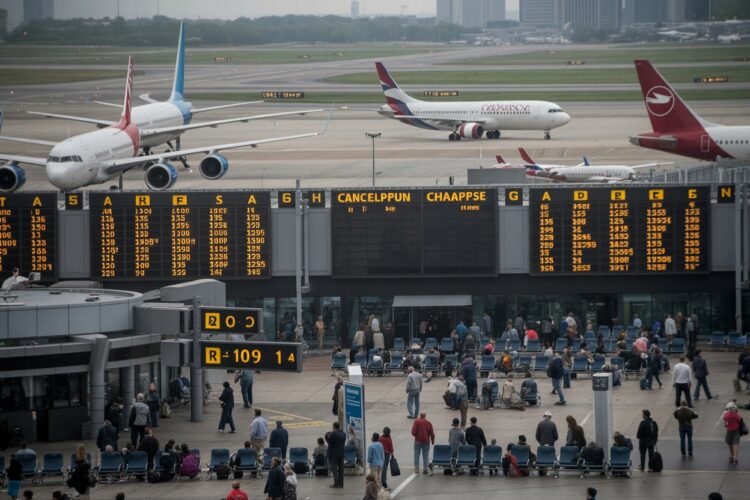
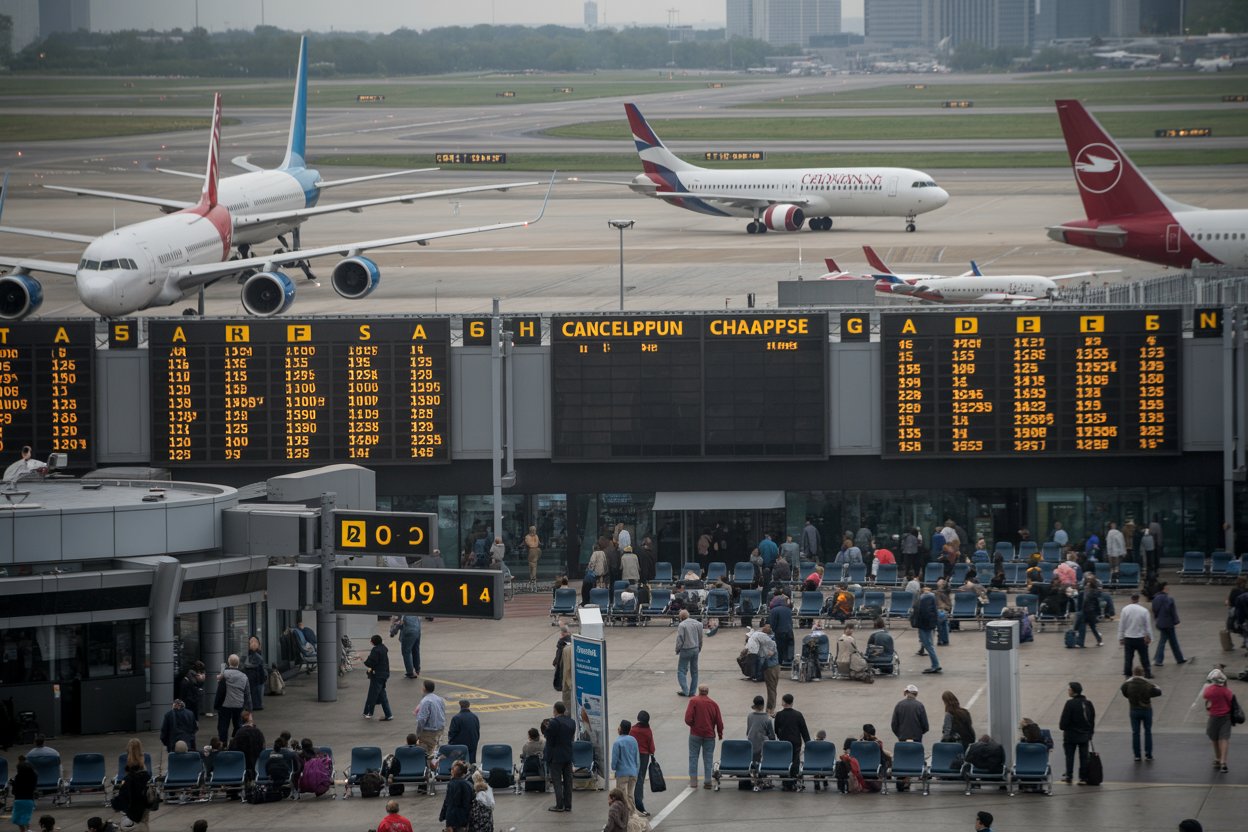
Azerbaijan Joins Qatar, Saudi Arabia, UAE, Turkey, Bahrain, Kuwait, and Others to Face Severe Delays...
Comprehensive Summarization:
The article reports on the severe disruptions in evacuation processes across several Middle Eastern countries, including Azerbaijan, Qatar, Saudi Arabia, UAE, Turkey, Bahrain, and Kuwait. These delays are attributed to ongoing conflicts in the region, particularly the escalating tensions between Iran, Israel, and the US. The article highlights the impact of these conflicts on international travel, emphasizing the challenges faced by passengers and the broader implications for the travel industry. The context provided underscores the volatility of the Middle East and its direct effect on global travel logistics and safety.
Key Points:
Actionable Takeaways:
Enhanced Travel Insurance Coverage: Given the increased risks and disruptions in travel, travel companies should consider offering enhanced insurance packages that cover evacuation costs and provide comprehensive support for travelers affected by conflicts. This proactive measure can mitigate financial losses and improve customer trust.
Strategic Partnerships with Local Authorities: Travel agencies and airlines should establish strategic partnerships with local authorities and emergency response teams in affected regions. This collaboration can facilitate smoother evacuation processes and ensure timely assistance for stranded travelers, thereby reducing the overall impact of conflicts on travel operations.
Investment in Advanced Tracking Technologies: To improve real-time monitoring of travel routes and potential conflict zones, travel companies should invest in advanced tracking technologies. These technologies can provide real-time updates to travelers and enable proactive adjustments to travel itineraries, minimizing disruptions and enhancing safety.
Contextual Insights:
The article reflects the current state of the travel industry amidst geopolitical tensions in the Middle East. The escalating conflicts between Iran, Israel, and the US have led to significant disruptions in international travel, particularly in countries heavily reliant on air travel for evacuation. This situation highlights the vulnerability of the travel industry to geopolitical events and underscores the need for robust contingency planning. The emphasis on travel insurance, strategic partnerships, and advanced tracking technologies aligns with current industry trends towards enhancing safety, reliability, and customer experience. As the travel industry continues to evolve, these insights provide a forward-looking perspective on navigating future challenges in a volatile geopolitical landscape.
Read the Complete Article.
Experience the magic of the Nile aboard Kenzy Dahabeya, a luxury boutique sailing cruise that offers an unforgettable journey between...
Read moreDetails



