









Sail Through Time: Discover the Timeless Wonders of Upper Egypt Aboard Kenzy Dahabeya
Experience the magic of the Nile aboard Kenzy Dahabeya, a luxury boutique sailing cruise that offers an unforgettable journey between...
Read moreDetails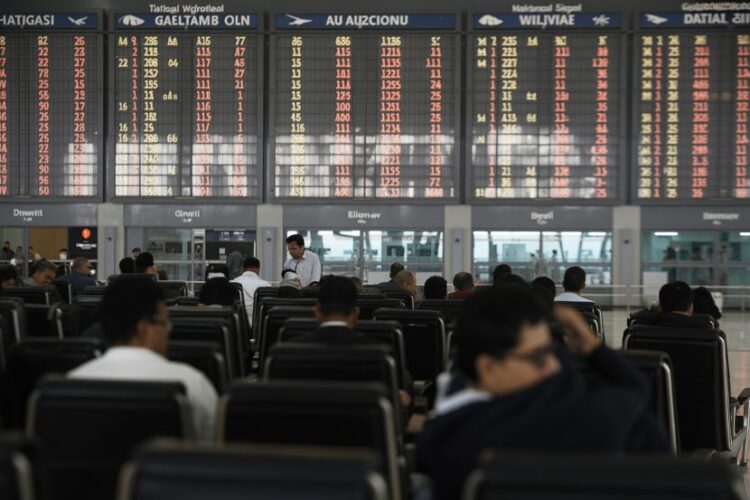
Bahrain, UAE, Qatar, and Kuwait Close Airspace in Response to Escalating Middle East Conflict: What ...
Comprehensive Summarization:
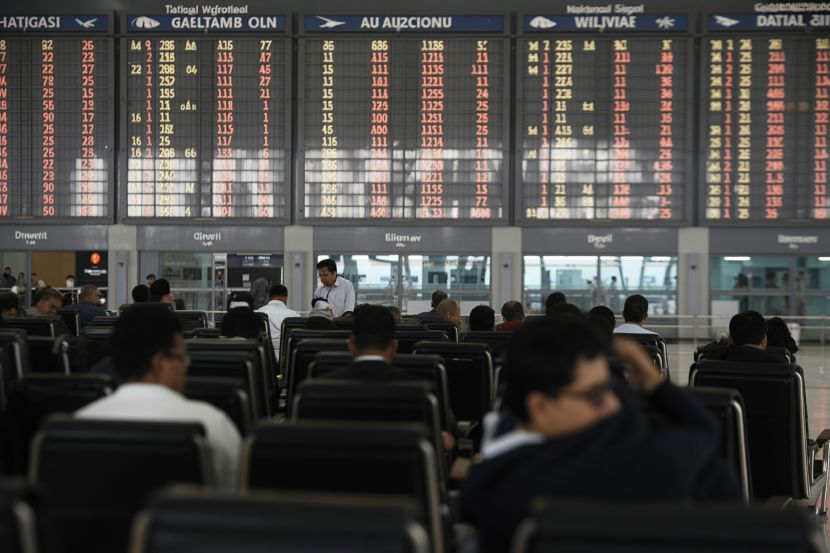
The article discusses the significant disruption to air travel across the Middle East, specifically in Bahrain, UAE, Qatar, and Kuwait, due to escalating geopolitical tensions between the US, Israel, and Iran. These tensions have led to the closure of airspace in these countries, resulting in flight cancellations, rerouted flights, and delayed schedules. The article highlights the impact on travelers and the broader travel industry, emphasizing the need for flexibility and adaptability in response to such geopolitical events.
Key Points:
Actionable Takeaways:
Contextual Insights:
The article reflects the current state of the travel industry amidst heightened geopolitical tensions. The closure of airspaces in key Middle Eastern countries underscores the vulnerability of the travel sector to global political events. This situation highlights the importance of adaptability and resilience in travel planning. Furthermore, the article aligns with recent trends in travel tech, where innovative solutions for real-time travel updates and flexible booking options are becoming increasingly vital. As the industry continues to evolve, thought leaders emphasize the need for startups and established companies to invest in technologies that enhance travel flexibility and customer experience, particularly in volatile geopolitical climates.
Read the Complete Article.
Experience the magic of the Nile aboard Kenzy Dahabeya, a luxury boutique sailing cruise that offers an unforgettable journey between...
Read moreDetails



