
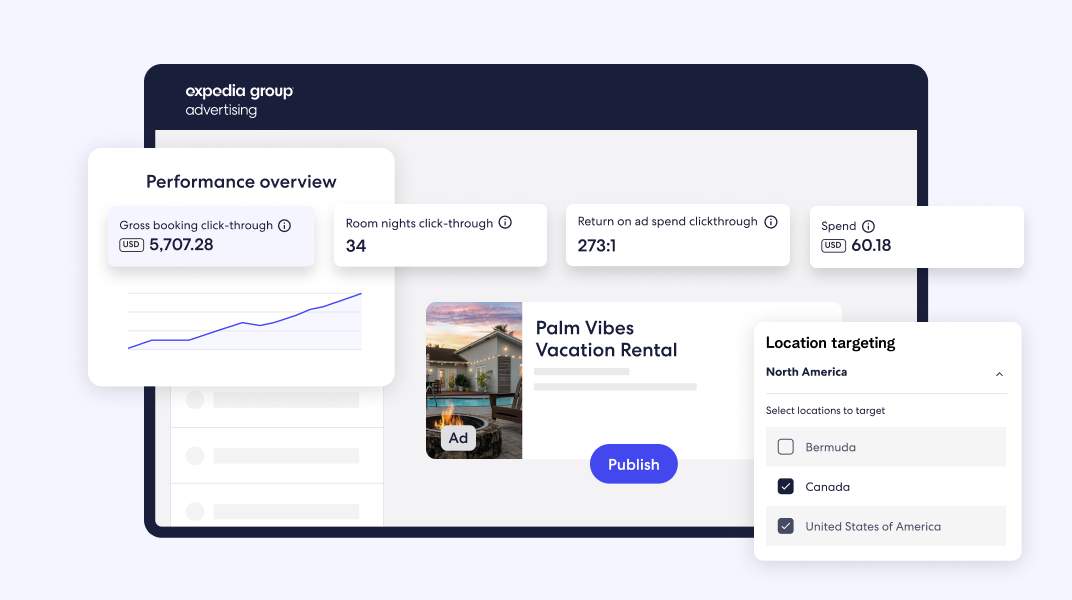



![[PRNewswire] Agoda Unveils Agoda Partner Portal](https://images.traveltrade.today/wp-content/uploads/2026/08/Agoda-unveils-new-Agoda-Partner-Portal-for-travel-partners.jpg)






Sail Through Time: Discover the Timeless Wonders of Upper Egypt Aboard Kenzy Dahabeya
Experience the magic of the Nile aboard Kenzy Dahabeya, a luxury boutique sailing cruise that offers an unforgettable journey between...
Read moreDetails
Dubai-Iran air corridor disrupted as Dubai Airports lists 17 Flydubai cancellations
Comprehensive Summarization:
The article reports on the Airport Authority of Hong Kong recording 12 flight cancellations between Hong Kong and various Middle-East destinations on Sunday, with eight more cancellations scheduled for Monday. Saturday saw five cancellations and one delay due to air-space closures. Cathay Pacific has responded by offering overnight hotel stays and refunds to affected passengers. Interviews at the terminal suggest ongoing disruptions and challenges in the travel sector, highlighting the impact of air-space closures on flight operations and passenger experience.
Key Points:
Actionable Takeaways:
Enhanced Passenger Support Policies: Airlines should consider implementing more comprehensive passenger support policies, such as offering overnight accommodations and flexible refunds, to mitigate the impact of flight cancellations on travelers. This aligns with current industry trends focusing on customer experience and satisfaction during disruptions.
Proactive Communication: Airlines should enhance their communication strategies to keep passengers informed about potential disruptions in real-time. This proactive approach can help manage passenger expectations and reduce anxiety during travel disruptions.
Investment in Air-Space Monitoring Technologies: There is a growing trend towards investing in advanced air-space monitoring technologies to prevent and manage airspace closures. Airlines and airports should explore partnerships with tech startups specializing in real-time air-space tracking to improve operational resilience.
Contextual Insights:
The recent flight cancellations and air-space closures underscore the vulnerabilities in the global travel infrastructure, particularly in regions with geopolitical tensions. This situation highlights the importance of robust contingency planning and the need for airlines to invest in technologies that can provide real-time updates and alternative routing options. The response from Cathay Pacific, offering refunds and accommodations, reflects a broader industry trend towards customer-centric policies during disruptions. Looking forward, the integration of advanced monitoring technologies and flexible policies will be crucial for maintaining passenger trust and ensuring operational continuity in the face of unforeseen challenges.
Read the Complete Article.
Experience the magic of the Nile aboard Kenzy Dahabeya, a luxury boutique sailing cruise that offers an unforgettable journey between...
Read moreDetails



