






Sail Through Time: Discover the Timeless Wonders of Upper Egypt Aboard Kenzy Dahabeya
Experience the magic of the Nile aboard Kenzy Dahabeya, a luxury boutique sailing cruise that offers an unforgettable journey between...
Read moreDetails
Comprehensive Summarization:
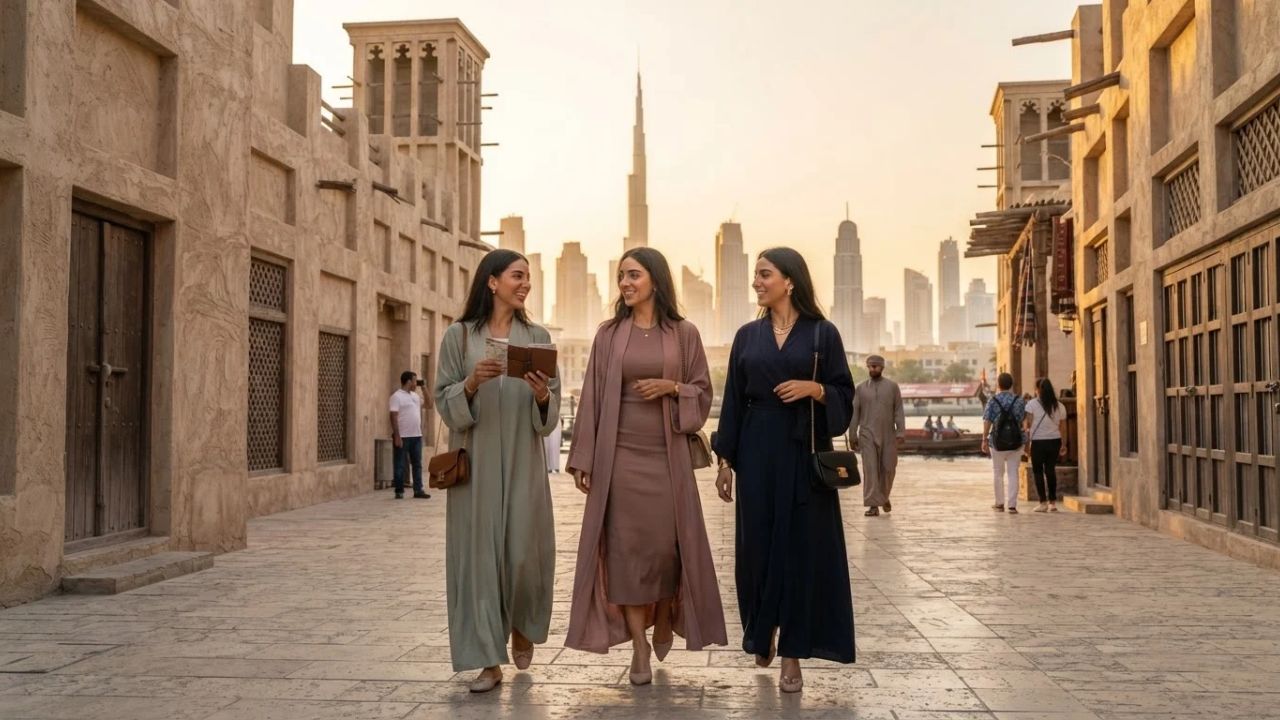
The article discusses the significant impact of recent geopolitical tensions between Israel, the United States, and Iran on British tourism, particularly in Dubai. Tens of thousands of British workers and tourists have evacuated the UAE following the surprise attacks. The Dubai government is accused of attempting to “cover up” the war’s impact on the city by enforcing strict rules to protect its image. Tourists, influencers, and social media commentators are prohibited from sharing footage of Iranian rockets, fearing potential loss of tourism revenue.
Key Points:
Actionable Takeaways:
Tourism Industry Vulnerability: The restrictions on sharing footage of Iranian rockets highlight the vulnerability of the tourism industry to geopolitical tensions. Travel companies should develop contingency plans to mitigate the impact of such restrictions on tourism revenue.
Government Communication Strategies: The accusations against the Dubai government for attempting to “cover up” the war’s impact suggest a need for transparent communication strategies in crisis situations. Travel destinations should prioritize clear and timely communication to manage public perception and maintain visitor confidence.
Contextual Insights:
The article reflects the current state of the travel industry, where geopolitical events can have immediate and severe consequences on tourism. Recent trends indicate a heightened sensitivity among tourists and influencers regarding safety and security, leading to stricter regulations and restrictions. This situation underscores the importance of robust risk management strategies in the travel sector. Furthermore, the article aligns with the growing trend of using technology to monitor and control information dissemination, which could have broader implications for how travel companies manage their online presence and public relations in times of crisis.
Read the Complete Article.
Experience the magic of the Nile aboard Kenzy Dahabeya, a luxury boutique sailing cruise that offers an unforgettable journey between...
Read moreDetails



