












Article Summary:
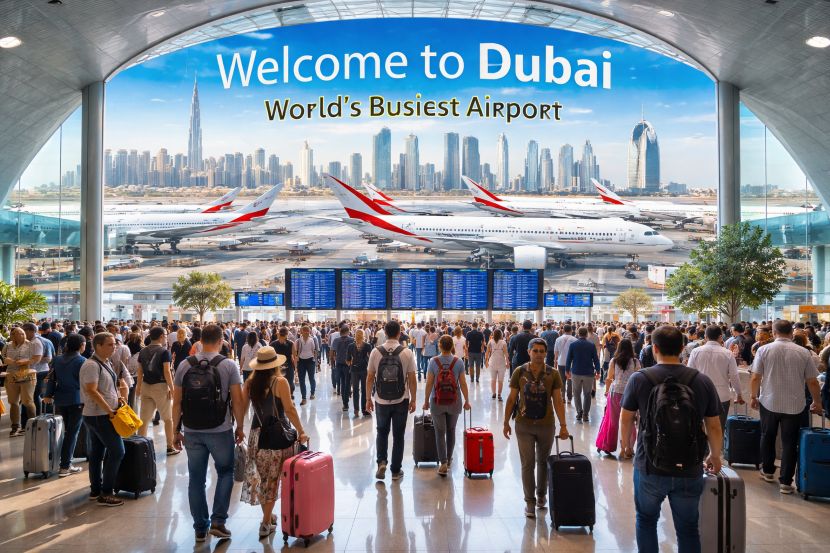
Dubai International Airport (DXB) has surpassed Atlanta’s Hartsfield-Jackson International Airport to become the world’s busiest airport by scheduled seat capacity, according to aviation data company OAG. This milestone, confirmed on January 11, 2026, signifies a significant leap in Dubai’s growth as a global aviation hub and underscores the city’s strategic advancements in the travel industry.
Key Points:
- DXB overtakes Hartsfield-Jackson Atlanta International Airport as the world’s busiest airport by seat capacity, as confirmed by OAG.
- The achievement highlights Dubai’s growing prominence in the global aviation sector.
- The milestone reflects strategic advancements and infrastructure developments in Dubai’s travel industry.
Actionable Takeaways:
- Investment in Airport Infrastructure: The shift in rankings underscores the importance of continuous investment in airport infrastructure and capacity expansion. Travel companies and aviation stakeholders should prioritize upgrading facilities to meet growing global demand and maintain competitive advantage.
- Strategic Location Advantages: DXB’s success highlights the strategic importance of airport locations. Companies and policymakers should consider the benefits of positioning airports in regions with high growth potential and strong connectivity to maximize market reach and tourism growth.
- Focus on Passenger Capacity: The focus on seat capacity as a key metric for airport success suggests that airlines and airports should invest in enhancing passenger experience and operational efficiency to handle increased traffic, thereby boosting tourism growth and economic activity.
Contextual Insights:
The achievement of DXB as the world’s busiest airport underscores the evolving dynamics of the global travel industry, particularly in regions like the Middle East, which have been rapidly expanding their aviation capabilities. This shift reflects broader trends such as increased global connectivity, rising tourism demand, and the strategic importance of major airports in driving economic growth. For thought leaders in the travel sector, this development signals the need to adapt to changing market conditions, invest in scalable infrastructure, and leverage technological advancements to enhance operational efficiency and passenger experience. The rise of DXB also highlights the potential for other airports in emerging markets to challenge traditional aviation hubs, suggesting a more competitive and dynamic global air travel landscape.
Read the Complete Article.



