




Sail Through Time: Discover the Timeless Wonders of Upper Egypt Aboard Kenzy Dahabeya
Experience the magic of the Nile aboard Kenzy Dahabeya, a luxury boutique sailing cruise that offers an unforgettable journey between...
Read moreDetails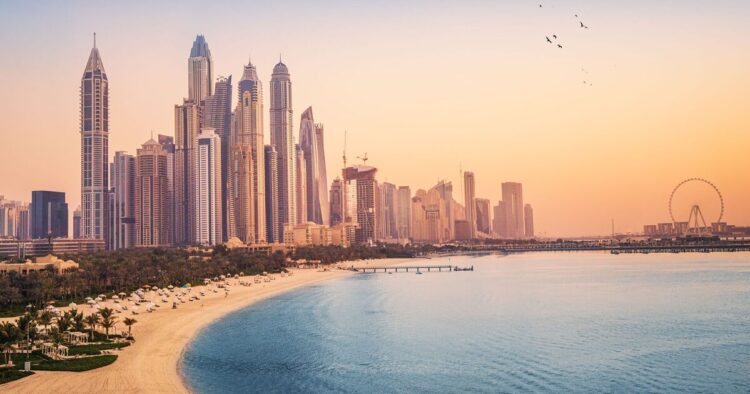
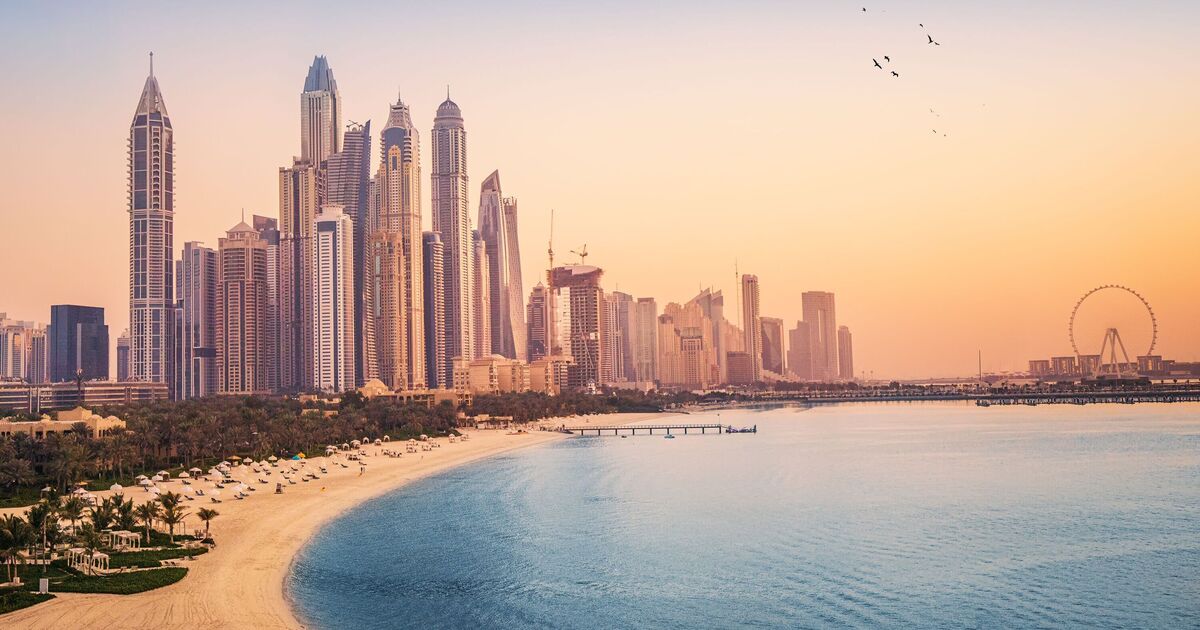
Major Dubai tourist attraction closing as statement issued - in business since 1999 | World | News
Comprehensive Summarization:
The Jumeirah Burj Al Arab hotel in Dubai has announced a temporary 18-month closure to commence a “carefully phased” refurbishment. This initiative aims to refresh and upgrade the hotel’s iconic décor while preserving its distinctive character. The restoration program, developed through long-term planning, follows more than 25 years of continuous operation at the hotel. The statement was published on the hotel’s website, highlighting the commitment to maintaining the hotel’s unique identity amidst the renovation process.
Key Points:
Actionable Takeaways:
Preservation of Brand Identity: The refurbishment strategy emphasizes preserving the hotel’s distinctive character while upgrading its décor. This approach ensures that the hotel maintains its unique brand identity amidst modernization, which is crucial for maintaining customer loyalty and attracting repeat visitors. (Relevance: Maintaining brand identity is key in the competitive travel industry, and this strategy ensures the hotel remains recognizable and appealing to its target audience.)
Long-Term Planning and Sustainability: The decision to undertake a 18-month closure for refurbishment, following more than 25 years of continuous operation, demonstrates a commitment to long-term planning and sustainability. This approach allows for comprehensive upgrades and ensures that the hotel remains at the forefront of hospitality standards. (Relevance: Long-term planning is essential in the travel industry to ensure that investments in infrastructure and design yield lasting benefits, enhancing the guest experience and maintaining competitive advantage.)
Contextual Insights:
The decision to refurbish the Jumeirah Burj Al Arab reflects broader industry trends towards modernization and sustainability. In recent years, there has been a significant shift towards upgrading iconic properties to meet contemporary guest expectations while preserving their historical or cultural significance. This trend is supported by thought leaders in the travel industry who advocate for a balance between modernization and heritage preservation. The refurbishment of the Jumeirah Burj Al Arab aligns with this trend, showcasing how hotels can leverage strategic renovations to stay relevant in a rapidly evolving market. Furthermore, the emphasis on long-term planning underscores the industry’s move towards sustainable practices, where investments in infrastructure and design are viewed as long-term assets rather than short-term expenditures. This contextual understanding highlights the strategic foresight and industry foresight demonstrated by the hotel management, positioning the Jumeirah Burj Al Arab as a forward-thinking player in the luxury travel sector.
Read the Complete Article.
Experience the magic of the Nile aboard Kenzy Dahabeya, a luxury boutique sailing cruise that offers an unforgettable journey between...
Read moreDetails



