












Comprehensive Summarization:
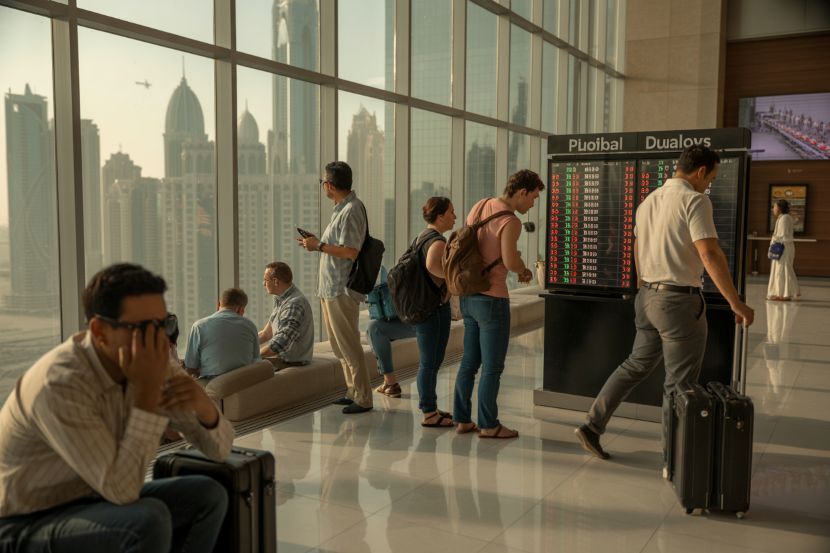
Dubai, a prominent tourism hub in the UAE, is experiencing an unexpected shift from leisure and luxury to uncertainty due to escalating tensions in the Gulf. This shift has led to tourists, such as British nationals Alison and Gul Woodward, finding themselves stranded, facing a nerve-wracking experience as missiles flew over Dubai and airstrikes affected key Middle Eastern airports. The article highlights the sudden change in the travel landscape, emphasizing the anxiety and uncertainty tourists are experiencing in the region.
Key Points:
- Dubai, a key tourism destination, is witnessing an unexpected shift from leisure to uncertainty due to escalating tensions in the Gulf.
- Tourists, including British nationals Alison and Gul Woodward, are facing challenges such as being stranded and experiencing anxiety due to missile attacks and airstrikes affecting key airports.
- The article underscores the impact of geopolitical tensions on the travel industry, particularly in regions like Dubai, which are traditionally considered safe and luxurious destinations.
Actionable Takeaways:
-
Risk Assessment and Mitigation: Travel agencies and tour operators should enhance their risk assessment protocols to better prepare for and mitigate the impacts of geopolitical tensions on travel itineraries. This includes developing contingency plans for sudden travel disruptions and ensuring clear communication with clients about potential risks and safety measures.
-
Investment in Travel Tech: The article highlights the need for innovation in travel technology to provide real-time updates and support to travelers facing uncertainties. Investments in travel tech solutions that offer real-time alerts, flexible booking options, and seamless communication channels can help mitigate the impact of geopolitical events on the travel experience.
Contextual Insights:
The sudden shift in Dubai’s tourism landscape due to escalating tensions in the Gulf underscores the vulnerability of travel destinations to geopolitical events. This situation highlights the importance of adaptability and resilience in the travel industry. As geopolitical tensions continue to evolve, the industry must leverage advancements in travel technology to provide travelers with the information and support they need to navigate uncertainties safely. Furthermore, there is a growing trend towards integrating fintech solutions in travel, such as flexible payment options and insurance products, to offer travelers greater peace of mind and financial protection in the face of unexpected disruptions. These insights are crucial for travel professionals aiming to maintain trust and reliability in an increasingly volatile global environment.
Read the Complete Article.



