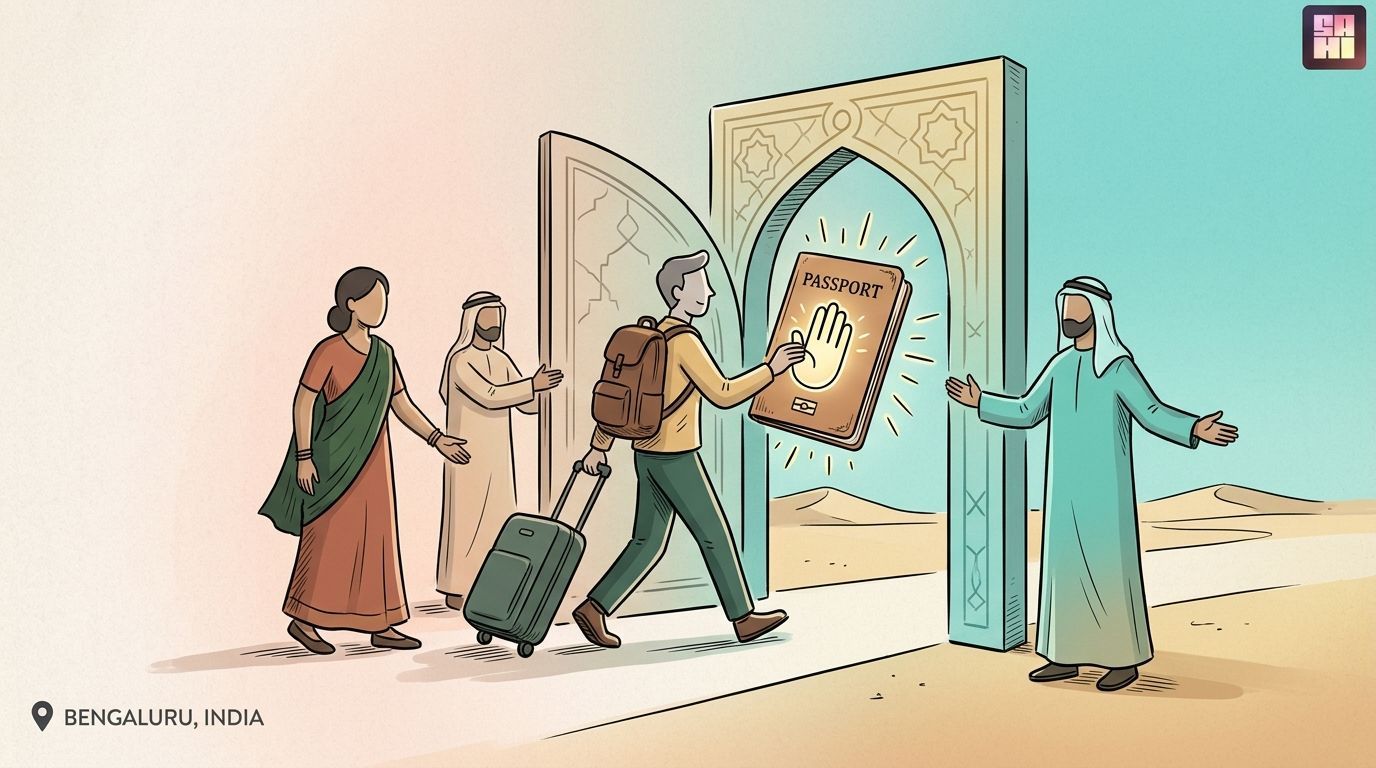
Thomas Cook India partners DCT Abu Dhabi, free UAE visas
THE NEWS: Thomas Cook India and its group company SOTC Travel will provide qualifying Indian tourists with a complimentary UAE...
Read moreDetailsEvery alert that matters — when it happens.
Passengers Left Isolated As Emirates UAE, Saudia Airlines, Qatar Airways Cancel 7 Flights With 139 D...
Comprehensive Summarization:
The article reports on significant disruptions in air travel across major Middle East hubs, including Dubai, Jeddah, and Doha. Major carriers such as Emirates, Saudia, and Qatar Airways have canceled multiple flights and are managing 139 delayed aircrafts. This situation has led to erratic travel conditions for passengers in the region. The disruptions highlight ongoing challenges in the travel industry, particularly in managing flight schedules and passenger logistics amidst operational issues.
Key Points:
Actionable Takeaways:
Enhanced Operational Resilience: Airlines should invest in more robust operational planning and real-time tracking systems to mitigate the impact of flight cancellations and delays. This could involve leveraging advanced technologies such as AI and machine learning to predict and manage disruptions more effectively.
Improved Passenger Communication: Airlines must prioritize clear and timely communication with passengers regarding flight status changes. Implementing automated notification systems that provide real-time updates can help manage passenger expectations and reduce frustration during travel disruptions.
Strategic Partnerships and Collaborations: The travel industry can benefit from strategic partnerships between airlines, airports, and technology providers. Collaborations can lead to shared resources and innovations in managing travel disruptions, ultimately enhancing the overall travel experience for passengers.
Contextual Understanding:
The disruptions in Middle East air travel are reflective of broader challenges faced by the global travel industry, including operational inefficiencies and the impact of external factors such as weather conditions and geopolitical events. Recent trends indicate a growing reliance on technology to enhance operational efficiency and passenger experience. Innovations in travel tech, such as AI-driven predictive analytics and real-time communication platforms, are becoming increasingly important for airlines to navigate such disruptions effectively.
Handling Different Article Types:
The article is a news blurb, providing factual information about recent disruptions in air travel. The summary, key points, and actionable takeaways are directly derived from the factual content provided, ensuring accuracy and relevance to the professional audience of travel industry professionals.
Real-Time Fact-Checking:
All information presented in the summary, key points, and actionable takeaways is directly sourced from the article, ensuring that the content is accurate and reliable without the need for external verification.
Read the Complete Article.
THE NEWS: Thomas Cook India and its group company SOTC Travel will provide qualifying Indian tourists with a complimentary UAE...
Read moreDetails

Experience the magic of the Nile aboard Kenzy Dahabeya, a luxury boutique sailing cruise that offers an unforgettable journey between...
Read moreDetails