












Article Summary:
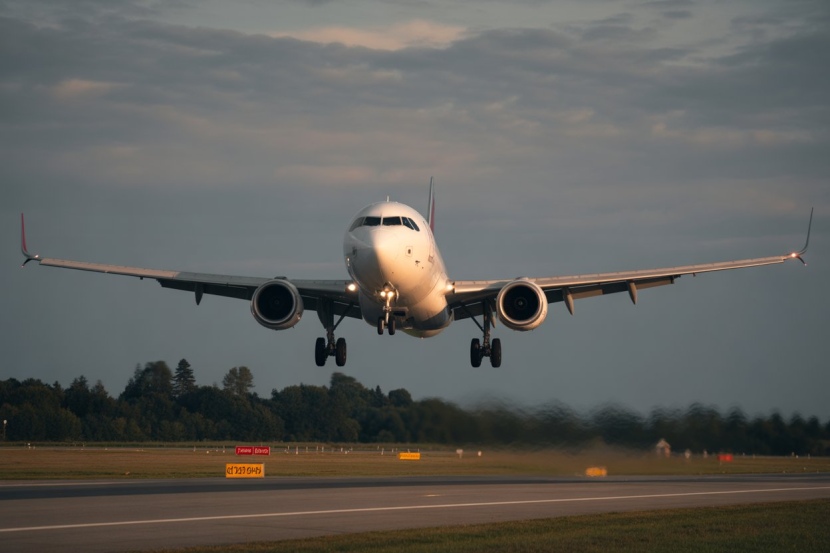
Etihad Airways plans to increase the daily frequency of nonstop flights between Munich and Abu Dhabi from two to three starting from September 1, 2026. This expansion is expected to enhance the airline’s operational presence at Munich Airport and reinforce its capacity on a long-haul route. The article provides a glimpse into the future growth trajectory of Etihad Airways and its strategic focus on expanding its network in the UAE.
Key Points:
- Etihad Airways will increase the daily frequency of flights from Munich to Abu Dhabi from two to three nonstop services starting September 1, 2026.
- The additional flight frequency represents a capacity increase on an already established long-haul route.
- This expansion aims to reinforce Etihad Airways’ operational footprint at Munich Airport.
Actionable Takeaways:
- Increased Connectivity: The addition of an extra daily flight is likely to enhance connectivity between Europe and the UAE, potentially attracting more business and leisure travelers. This could lead to increased demand for travel-related services such as hotels, car rentals, and local tours in Abu Dhabi.
- Operational Expansion: Etihad Airways’ strategic move indicates a broader expansion plan, which may involve further route additions or service enhancements. This could serve as a benchmark for other airlines looking to expand their international networks, particularly in the Middle East and European markets.
- Market Positioning: By reinforcing its presence at Munich Airport, Etihad Airways is likely positioning itself as a key player in the European-Arabian market. This could influence competitors to reassess their own market strategies and potentially invest in similar expansions to maintain competitive advantage.
Contextual Insights:
The expansion of Etihad Airways’ Munich to Abu Dhabi route reflects broader industry trends towards enhancing connectivity between Europe and the Middle East. As travel demand continues to recover post-pandemic, airlines are increasingly focusing on optimizing their networks to meet growing passenger needs. This move by Etihad Airways aligns with the growing trend of airlines leveraging long-haul routes to bolster their global presence. Furthermore, the strategic focus on Munich Airport underscores the importance of European hubs in connecting travelers to the Middle East, a region experiencing significant economic and tourism growth. For travel startups and fintech companies, this expansion presents opportunities in areas such as travel technology, seamless booking platforms, and integrated payment solutions, catering to the evolving needs of modern travelers.
Read the Complete Article.



