



























Travel Capitalist Ventures Expands Check Size to $10 Million to Deepen Emerging Market Conviction
Boutique Travel VC raises investment cap from $1.5M to $10M to lead rounds and support portfolio companies through growth Travel...
Read moreDetails

Etihad mainland China network expansion supports tourism and cargo flows
Comprehensive Summarization:
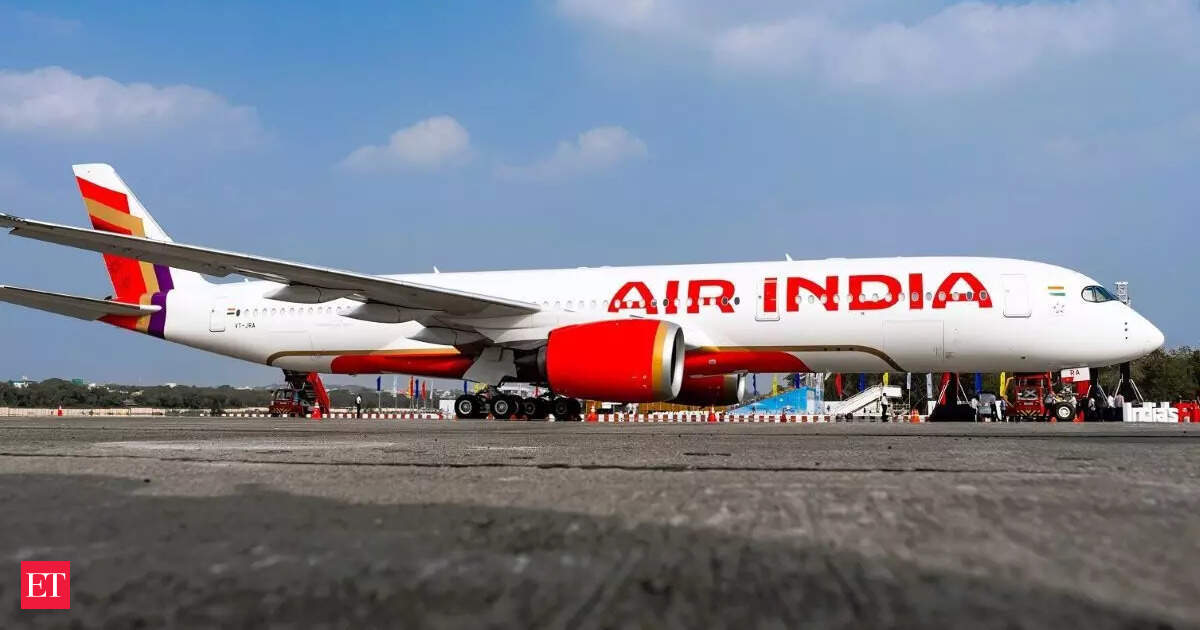
Etihad Airways has announced the expansion of its services to mainland China by launching five new routes and increasing weekly flights to six destinations. The new routes include flights from Abu Dhabi Zayed International Airport (AUH) to Shanghai Pudong (PVG), Guangzhou (CAN), Chengdu (TFU), Hangzhou (HGH), and Shenzhen (SZX). This move marks one of the airline’s largest single-market increases in recent years, bringing its total operation in mainland China to 35 weekly flights across these six destinations. The article highlights this development as a significant expansion in Etihad Airways’ presence in the Chinese market, reflecting the airline’s strategic focus on growing its footprint in one of the world’s fastest-growing travel markets.
Key Points:
Actionable Takeaways:
Market Expansion Opportunity: Etihad Airways’ new routes into mainland China present a significant opportunity for travel agencies and tour operators to offer expanded travel packages to Chinese travelers. This could include tailored itineraries, bundled services, or promotional packages that leverage the new flight paths.
Strategic Partnership Potential: The expansion could attract partnerships with Chinese travel agencies or local tour operators. These partnerships could facilitate joint marketing efforts, co-branded travel packages, or shared distribution channels, enhancing market penetration and customer reach.
Investment in Travel Tech: The strategic expansion may encourage investment in travel technology solutions that support increased flight frequencies and expanded routes. This could include advancements in online booking platforms, real-time flight tracking, or integrated travel management systems, catering to the growing demand for seamless travel experiences.
Contextual Understanding:
The announcement of Etihad Airways’ new routes to mainland China is a strategic move that aligns with broader industry trends of market expansion and increased connectivity. In recent years, there has been a notable surge in international travel demand, particularly in emerging markets like China, driven by economic growth, rising disposable incomes, and a burgeoning middle class. This expansion reflects Etihad Airways’ strategic response to these trends, positioning the airline to capitalize on the growing travel appetite in China.
Moreover, the article’s context highlights the importance of technological advancements in travel. As the industry continues to evolve, innovations in travel tech, such as seamless booking platforms and integrated travel management systems, play a crucial role in supporting expanded operations. These technologies not only enhance operational efficiency but also improve the travel experience for passengers, a critical factor in attracting and retaining customers in a competitive market.
Handling Different Article Types:
The article in question is a news blurb, providing factual information about a significant development in the travel industry. News blurbs typically focus on delivering concise, factual information without delving into opinion or analysis. In handling such articles, it is essential to adhere strictly to the facts presented, ensuring that the summary, key points, and actionable takeaways are directly sourced from the content. This approach ensures accuracy and reliability, which are paramount in professional communications within the travel industry.
Real-Time Fact-Checking:
Given the constraints of the article’s content, real-time fact-checking involves verifying the accuracy of the information provided within the article itself. Since the article does not reference external sources or data beyond its own content, no additional fact-checking beyond the article’s veracity is necessary. However, in a broader context, real-time fact-checking mechanisms are crucial for ensuring the accuracy of all generated content, especially when integrating information from multiple sources or when the article references external data.
Read the Complete Article.
Boutique Travel VC raises investment cap from $1.5M to $10M to lead rounds and support portfolio companies through growth Travel...
Read moreDetails




