












Article Summary:
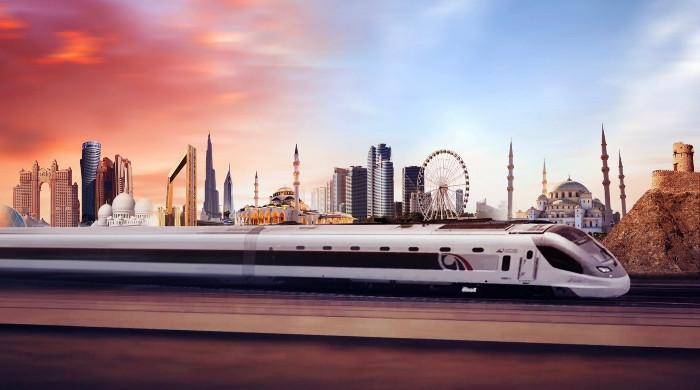
The United Arab Emirates (UAE) is set to launch the first phase of its national passenger railway network in 2026, connecting 11 cities and regions across the country. This network will link major urban centers such as Abu Dhabi, Dubai, Sharjah, and Fujairah, as well as extend services to more remote areas, particularly in Abu Dhabi’s western Al Dhafra region and parts of Sharjah. The project aims to enhance connectivity, provide safe and reliable mobility services, and support the UAE’s economic and social development.
Key Points:
- Network Coverage: The passenger rail network will connect 11 cities and regions, including Abu Dhabi, Dubai, Sharjah, Fujairah, Al Sila, Al Dhannah, Al Mirfa, Madinat Zayed, Mezairaa, Al Faya, and Al Dhaid.
- Launch Timeline: Passenger services are scheduled to begin in 2026, following the completion of station construction and train deployment.
- Strategic Locations: Stations have been strategically located in key urban and regional centers to ensure accessibility and convenience for passengers.
- Infrastructure and Technology: The network will feature modern trains equipped with advanced technologies, including ergonomic seating, onboard Wi-Fi, power outlets, and contemporary interior designs.
- Collaborative Effort: The project is a result of close collaboration among Etihad Rail, local authorities, and international partners, leveraging global best practices and national talent.
Actionable Takeaways:
- Investment in Infrastructure: The launch of the national passenger railway network represents a significant investment in UAE’s transport infrastructure, signaling the country’s commitment to modernizing its mobility sector. This could serve as a benchmark for other Gulf countries looking to develop integrated transport systems.
- Technological Integration: The inclusion of modern amenities such as Wi-Fi, power outlets, and contemporary interiors in the trains highlights a trend towards enhancing passenger comfort and experience in public transport. Travel companies and startups could explore similar technological integrations to differentiate their services.
- Strategic Location Planning: The careful selection of station locations within key urban and regional centers demonstrates the importance of strategic planning in transport network development. Travel and logistics companies can learn from this approach to optimize their service areas and improve connectivity.
Contextual Insights:
The announcement of the UAE’s national passenger railway network aligns with broader trends in the travel industry towards integrating rail systems with urban development and enhancing passenger experience. This move reflects the UAE’s strategic vision to build a comprehensive and integrated transport ecosystem that supports economic growth and social connectivity. As other countries in the region continue to invest in rail and public transport infrastructure, the UAE’s initiative serves as a forward-looking example of how rail networks can drive national development and improve quality of life.
Handling Different Article Types:
The article is a news brief providing factual information about a major infrastructure project in the UAE. The summary, key points, and actionable takeaways are structured to present the information in a clear and concise manner suitable for a professional audience. The context provided helps in understanding the significance of the project within the broader context of the UAE’s transport and economic development plans.
Read the Complete Article.



