












Article Summary:
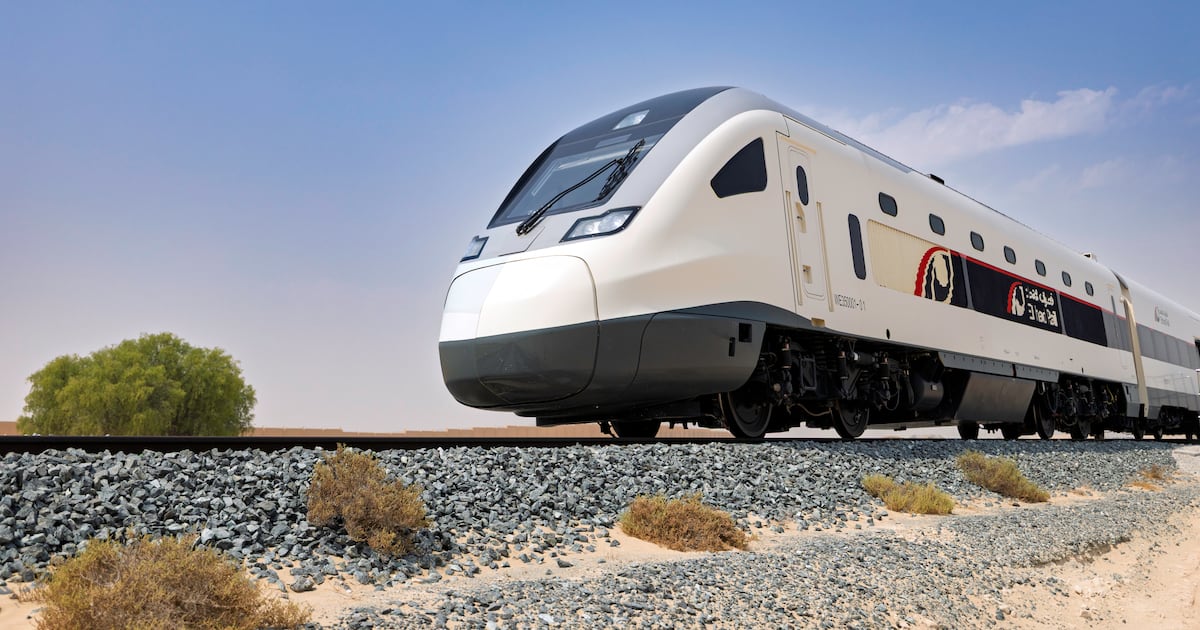
The article discusses the imminent launch of passenger trains in the UAE, marking a pivotal year for Etihad Rail, which was established nearly 20 years ago. This transport revolution is set to link key transport bases, education centers, and residential/commercial areas, enhancing the public transport system’s capacity. The network aims to cater to a growing population, boost tourism, ease congestion, and improve sustainability. The development is seen as a significant step in the UAE’s transport sector, aligning with broader travel industry trends towards sustainability and technological innovation.
Key Points:
- Etihad Rail, established 20 years ago, is set to launch passenger trains in 2026, marking a significant transport revolution in the UAE.
- The new railway network will connect key transport hubs, education centers, and residential/commercial areas, increasing the public transport system’s capacity.
- The initiative aims to cater to a growing population, boost tourism, ease congestion, and enhance sustainability in the UAE’s transport sector.
- The article highlights the broader context of travel industry trends, including sustainability and technological advancements in transport.
Actionable Takeaways:
- Investment in Sustainable Transport Infrastructure: The launch of passenger trains in the UAE underscores the importance of investing in sustainable transport infrastructure. This development could serve as a model for other regions looking to enhance their public transport systems while promoting sustainability. The focus on linking key areas such as education centers and residential/commercial zones suggests a holistic approach to urban planning, which could inspire similar strategies in other cities.
- Leveraging Technology for Enhanced Mobility: The introduction of passenger trains is likely to incorporate advanced technologies aimed at improving efficiency and passenger experience. This could include real-time tracking systems, integrated ticketing solutions, and enhanced safety features. For travel startups and fintech companies, this presents an opportunity to develop innovative solutions that complement these technological advancements, such as mobile apps for ticketing, navigation, and real-time updates.
- Economic and Social Impact: The expansion of the railway network is expected to have significant economic and social benefits, including easing congestion, boosting tourism, and improving sustainability. For policymakers and urban planners, this highlights the potential of rail transport as a catalyst for economic growth and improved quality of life. It also emphasizes the need for strategic planning to ensure that such developments align with broader economic and social objectives.
Contextual Insights:
The launch of passenger trains in the UAE is a testament to the country’s commitment to modernizing its transport infrastructure. This development aligns with broader industry trends towards sustainability and technological innovation, reflecting a shift in how transport systems are perceived and utilized. The focus on linking key areas such as education centers and residential/commercial zones highlights the importance of integrating transport solutions with urban development plans. This approach not only enhances mobility but also supports broader economic and social goals, such as reducing congestion and promoting tourism. For the travel industry, this underscores the growing importance of sustainable and technologically advanced transport solutions in shaping future mobility trends.
Read the Complete Article.



