












Sail Through Time: Discover the Timeless Wonders of Upper Egypt Aboard Kenzy Dahabeya
Experience the magic of the Nile aboard Kenzy Dahabeya, a luxury boutique sailing cruise that offers an unforgettable journey between...
Read moreDetails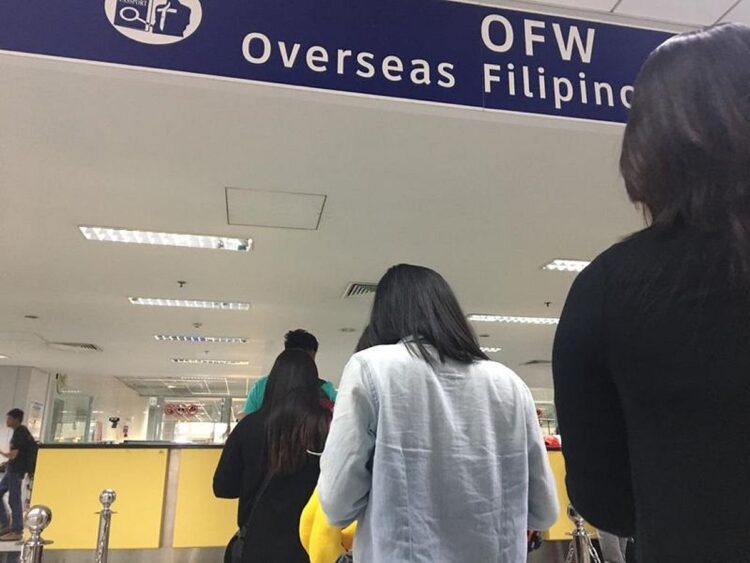
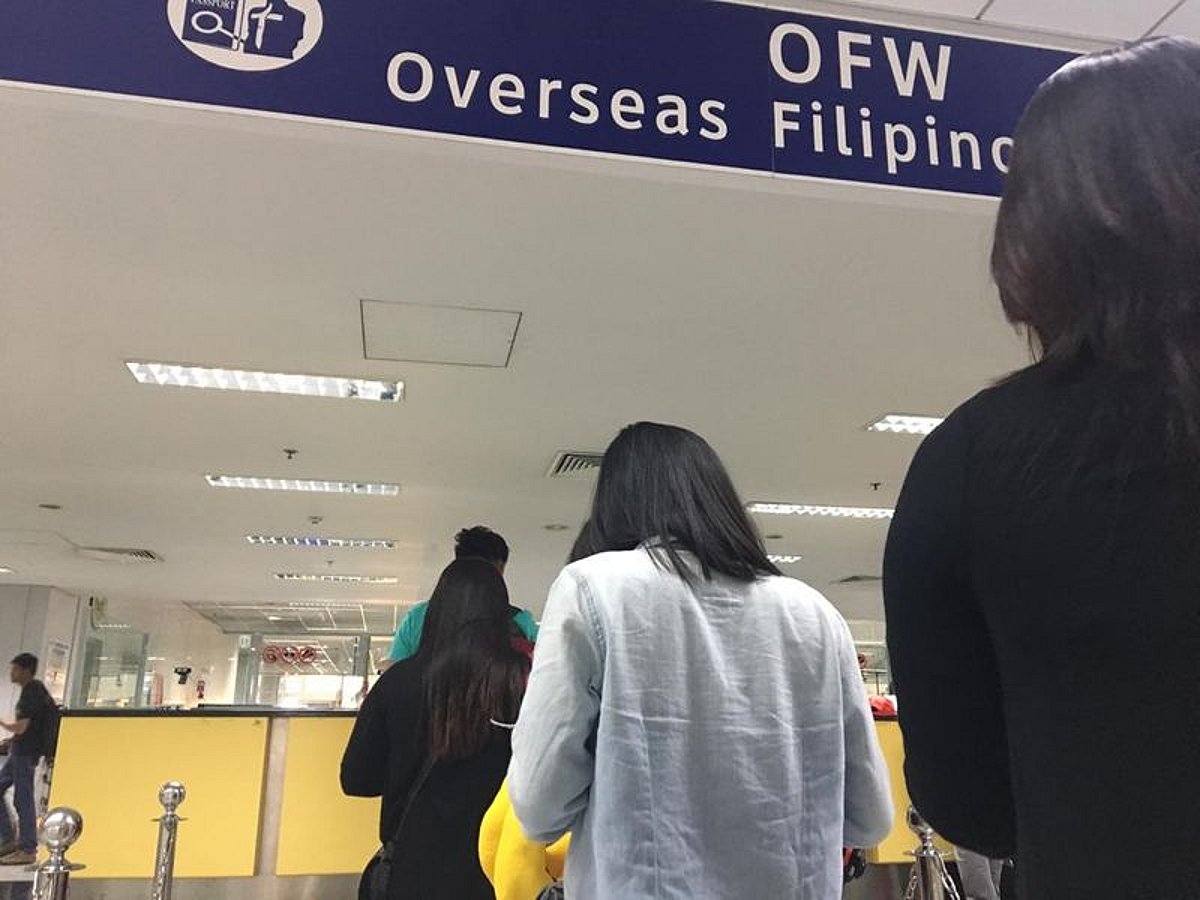
OFWs have been told to be aware and vigilant to avoid falling victim to rising scams
Comprehensive Summarization:
The article highlights the growing issue of fake travel assistance and illegal fees targeting Overseas Filipino Workers (OFWs) in the UAE. Philippine officials have repeatedly warned OFWs about scammers posing as government representatives to offer paid travel assistance services. The Migrant Workers Office in Dubai and the Northern Emirates has reported that fraudsters are exploiting workers by promising travel arrangements in exchange for money or personal information. Additionally, Philippine authorities have raised concerns over evolving trafficking risks associated with fake jobs, emphasizing the need for vigilance among OFWs.
Key Points:
Actionable Takeaways:
Vigilance Among OFWs: OFWs should exercise extreme caution when approached by individuals claiming to offer travel assistance services. Verifying the authenticity of such offers through official channels is crucial to avoid falling victim to scams.
Reporting Mechanisms: Philippine authorities should enhance reporting mechanisms for potential scams and trafficking risks. Establishing a robust system for reporting fraudulent activities can help in early detection and prevention of such crimes.
Contextual Insights:
The article reflects the ongoing challenges faced by the travel industry, particularly in regions with high OFW populations like the UAE. The rise of fake travel assistance services and trafficking risks underscores the need for enhanced regulatory frameworks and public awareness campaigns. As the travel industry continues to evolve with technological advancements, such as digital payment systems and online booking platforms, the risk of fraud also escalates. Thought leaders in the industry emphasize the importance of integrating robust security measures and fostering a culture of vigilance among travelers and service providers. This article serves as a timely reminder for both OFWs and industry stakeholders to remain vigilant and adopt best practices to mitigate risks associated with fraudulent activities in the travel sector.
Handling Different Article Types:
The article falls under the category of a News Blurb, providing factual information about a pressing issue affecting OFWs in the UAE. The content is concise and directly sourced from official warnings and reports, ensuring accuracy and relevance for a professional audience. The structured output format ensures that the key points and actionable takeaways are clearly delineated, facilitating easy integration into professional reports or presentations.
Read the Complete Article.
Experience the magic of the Nile aboard Kenzy Dahabeya, a luxury boutique sailing cruise that offers an unforgettable journey between...
Read moreDetails



