








Sail Through Time: Discover the Timeless Wonders of Upper Egypt Aboard Kenzy Dahabeya
Experience the magic of the Nile aboard Kenzy Dahabeya, a luxury boutique sailing cruise that offers an unforgettable journey between...
Read moreDetails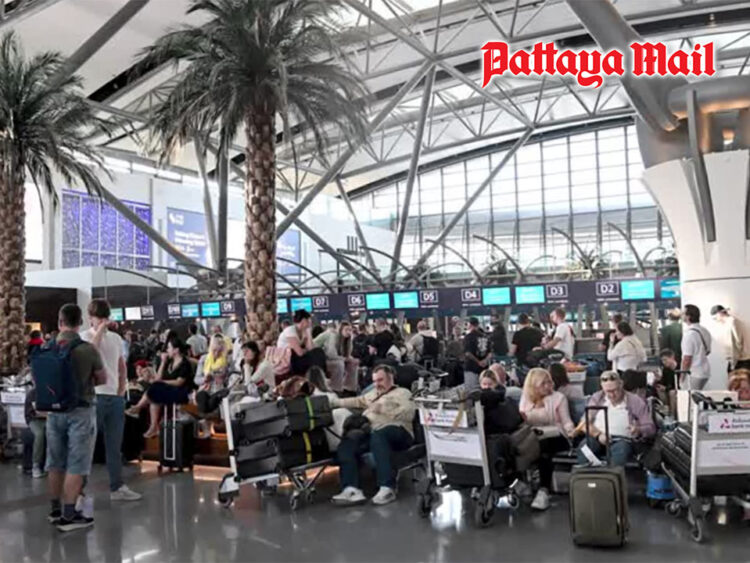
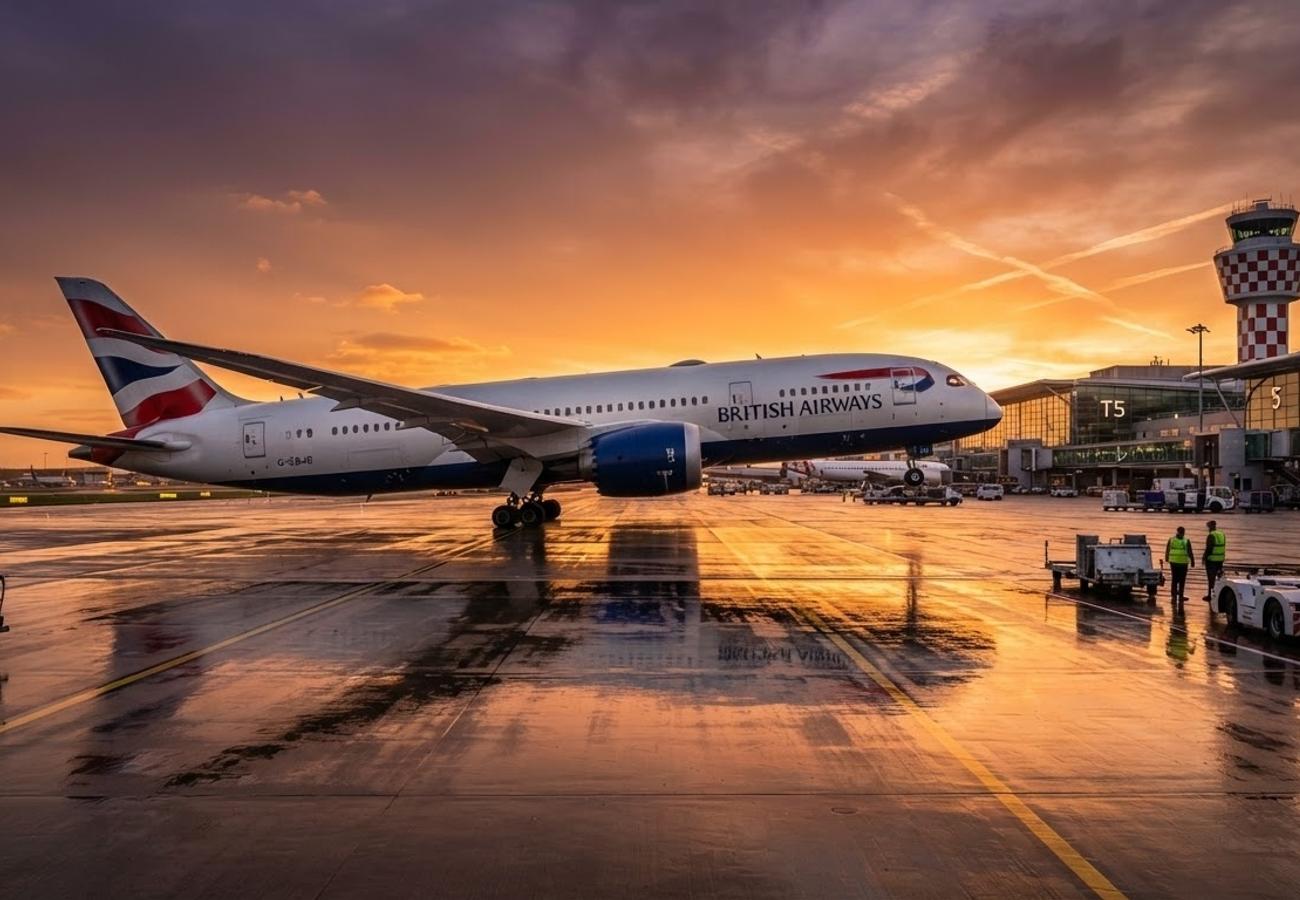
Aircraft from Emirates and Etihad Airways prepare for departures in the United Arab Emirates as airlines cautiously resume limited international flights despite ongoing airspace disruptions across the Middle East.
Comprehensive Summarization:
The article reports on airlines based in the United Arab Emirates (UAE) gradually resuming key international routes, despite the ongoing conflict in the Middle East continuing to disrupt global air travel. This development is particularly significant for the travel industry, as it highlights the resilience and adaptability of airlines in navigating geopolitical tensions and their impact on air travel. The article also touches on the broader context of travel disruptions and the challenges faced by passengers and the industry at large.
Key Points:
Actionable Takeaways:
Strategic Resumption of Flights: Airlines in the UAE are taking a cautious yet strategic approach to resuming international flights. This indicates a need for travel companies to closely monitor geopolitical developments and adjust their operational strategies accordingly. For travel agencies and airlines, this suggests the importance of maintaining flexible booking policies and communication channels to manage passenger expectations during uncertain times.
Focus on Passenger Safety and Communication: The article underscores the importance of prioritizing passenger safety and transparent communication in the face of travel disruptions. Travel companies should invest in robust communication strategies to keep passengers informed about flight status changes and safety protocols. This not only helps in managing passenger expectations but also enhances brand trust and loyalty.
Leveraging Technology for Resilience: The challenges highlighted by the Middle East conflict underscore the need for travel companies to leverage technology for resilience. This includes adopting advanced booking systems, real-time tracking of flight statuses, and digital communication platforms. Such technological investments can help airlines and travel agencies mitigate the impact of geopolitical disruptions and maintain operational continuity.
Contextual Insights:
The article’s context is deeply rooted in the current state of global air travel, where geopolitical tensions in the Middle East continue to pose significant challenges. The gradual resumption of flights by UAE airlines reflects a broader industry trend where airlines are balancing the need to restore travel services with the imperative to ensure passenger safety. This situation highlights the critical role of technology in managing disruptions and the importance of strategic planning in navigating geopolitical uncertainties.
In terms of forward-looking perspectives, the article suggests that the travel industry must increasingly focus on adaptability and resilience. As geopolitical tensions persist, travel companies will need to develop contingency plans that incorporate real-time data analytics and flexible operational models. Furthermore, the emphasis on passenger safety and transparent communication points to a growing expectation among travelers for companies to provide clear and timely information during crises. This trend is likely to shape future industry standards and practices, emphasizing the need for continuous innovation in travel tech and customer engagement strategies.
Handling Different Article Types:
The article in question is a news brief, providing factual information about a specific development in the travel industry. The structured output format is designed to accommodate such concise reporting, ensuring that the key points and actionable insights are clearly communicated to a professional audience. For other article types, such as opinion pieces or feature articles, the same structured approach would be applied, with additional emphasis on analysis and interpretation where relevant.
Read the Complete Article.
Experience the magic of the Nile aboard Kenzy Dahabeya, a luxury boutique sailing cruise that offers an unforgettable journey between...
Read moreDetails



