








Sail Through Time: Discover the Timeless Wonders of Upper Egypt Aboard Kenzy Dahabeya
Experience the magic of the Nile aboard Kenzy Dahabeya, a luxury boutique sailing cruise that offers an unforgettable journey between...
Read moreDetails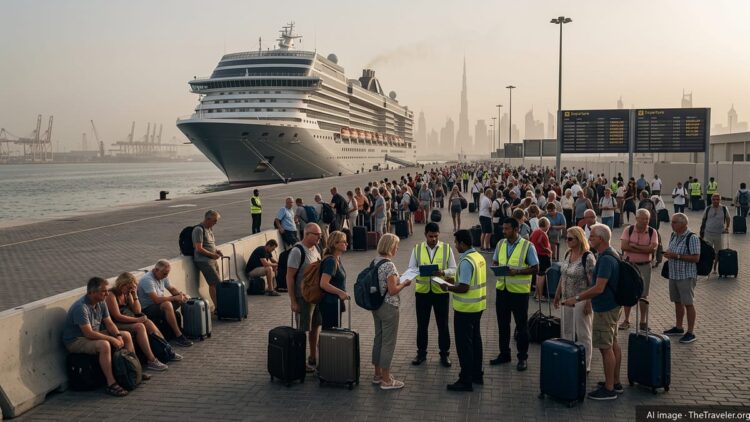
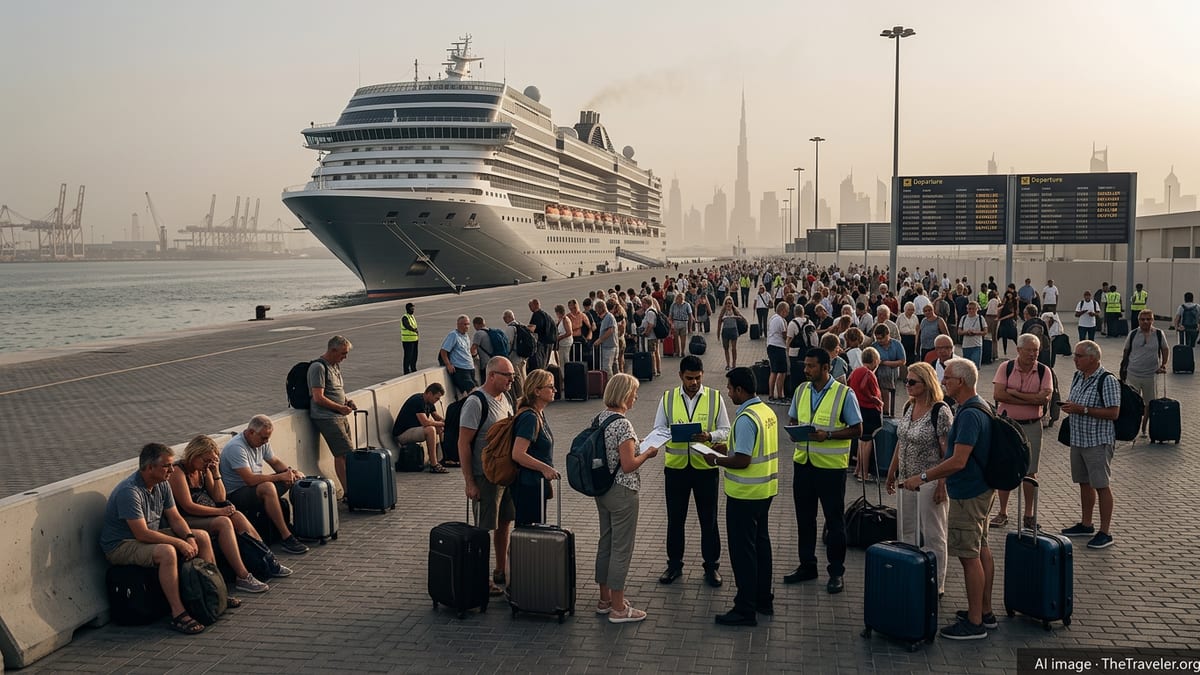
Gulf Cruise Chaos Strands Thousands of Europeans in Key Hubs
Comprehensive Summarization:
The article discusses the significant disruption caused by escalating conflict and airspace closures in the Gulf region, which has severely impacted the cruise industry. Thousands of European holidaymakers are stranded aboard ships and in terminals in Dubai, Abu Dhabi, and Doha, just as these vessels were scheduled to reposition to Europe for the summer season. This crisis highlights the vulnerability of the cruise industry to geopolitical tensions and the challenges faced by travelers in such scenarios. The article also touches on broader travel trends and insights, emphasizing the need for adaptability and resilience in the face of unforeseen disruptions.
Key Points:
Actionable Takeaways:
Diversify Travel Itineraries: Cruise lines should consider diversifying their itineraries to avoid regions prone to geopolitical tensions. This strategy can mitigate risks associated with airspace closures and military activities, ensuring smoother operations and passenger satisfaction.
Enhance Passenger Communication Systems: Implementing robust communication systems to keep passengers informed about any changes or disruptions in real-time can significantly enhance the passenger experience. This includes providing updates on alternative routes, accommodations, and support services, thereby building trust and reducing anxiety among travelers.
Invest in Flexible Booking Options: Offering flexible booking options, such as free cancellation or the ability to reschedule, can provide peace of mind to travelers. This not only addresses the immediate concerns of stranded passengers but also encourages bookings by reducing perceived risks associated with travel during uncertain times.
Contextual Insights:
The article reflects the current state of the travel industry, particularly the cruise sector, which is highly sensitive to geopolitical events. The recent conflict and airspace closures in the Gulf have underscored the importance of geopolitical stability in travel planning. This situation highlights the need for the travel industry to adopt more resilient strategies, such as diversifying routes and enhancing communication systems, to better withstand unforeseen disruptions. Furthermore, the emphasis on flexible booking options aligns with broader industry trends towards customer-centricity and risk management. As travel tech continues to evolve, innovations in real-time tracking and communication will play a crucial role in maintaining operational continuity and ensuring passenger safety and satisfaction.
Read the Complete Article.
Experience the magic of the Nile aboard Kenzy Dahabeya, a luxury boutique sailing cruise that offers an unforgettable journey between...
Read moreDetails



