










Sail Through Time: Discover the Timeless Wonders of Upper Egypt Aboard Kenzy Dahabeya
Experience the magic of the Nile aboard Kenzy Dahabeya, a luxury boutique sailing cruise that offers an unforgettable journey between...
Read moreDetails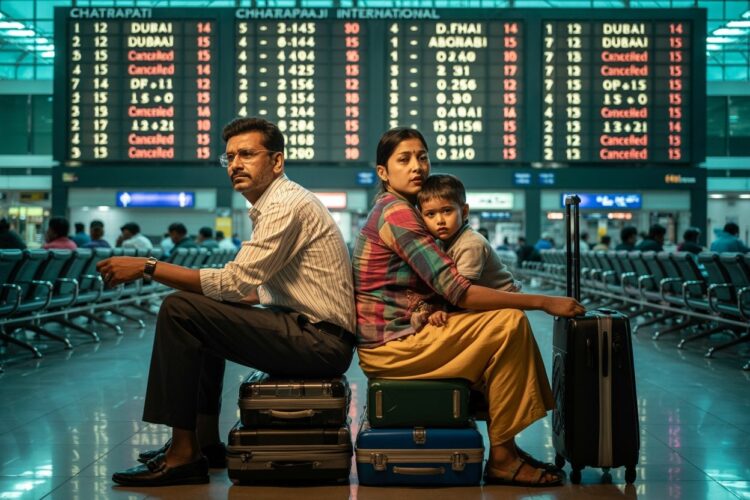
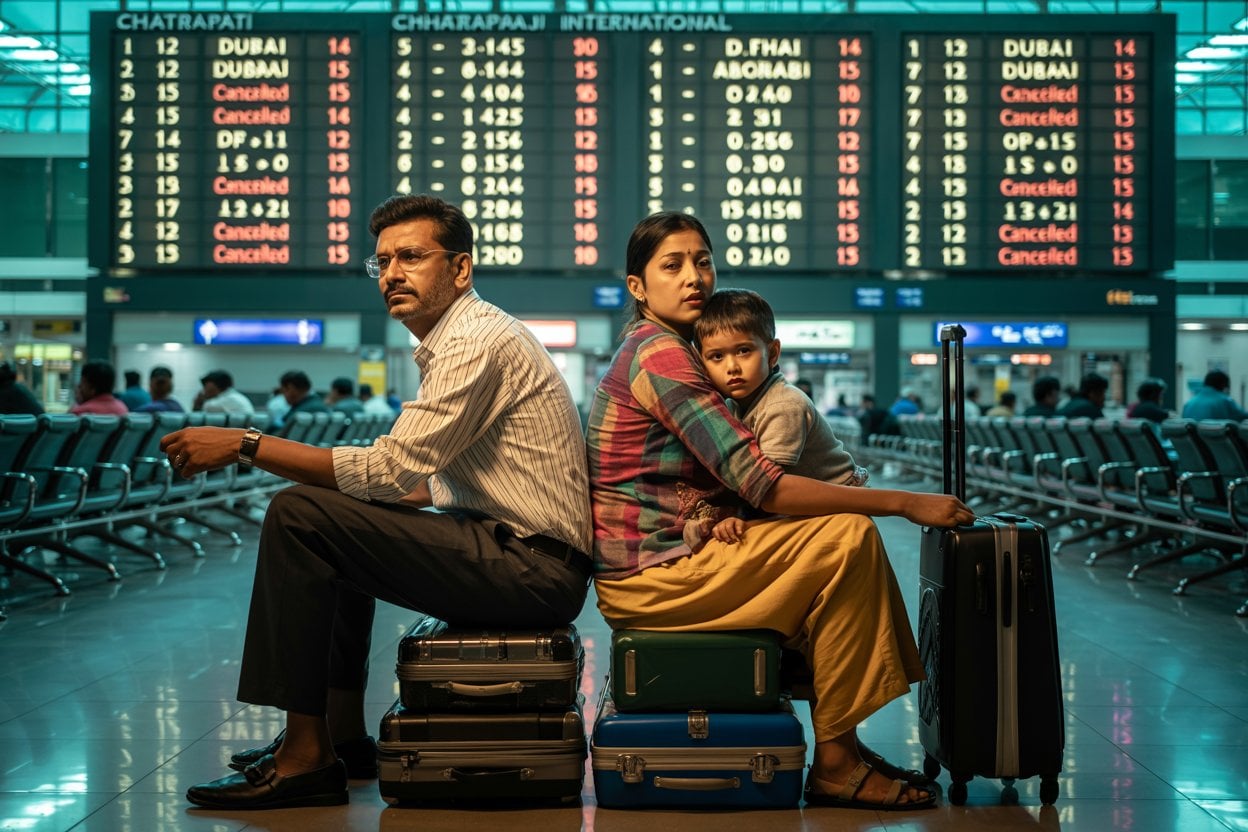
India-UAE Flight Crisis 2026: Massive Disruptions as Air India and IndiGo Cancel Routes Amid West As...
Comprehensive Summarization:
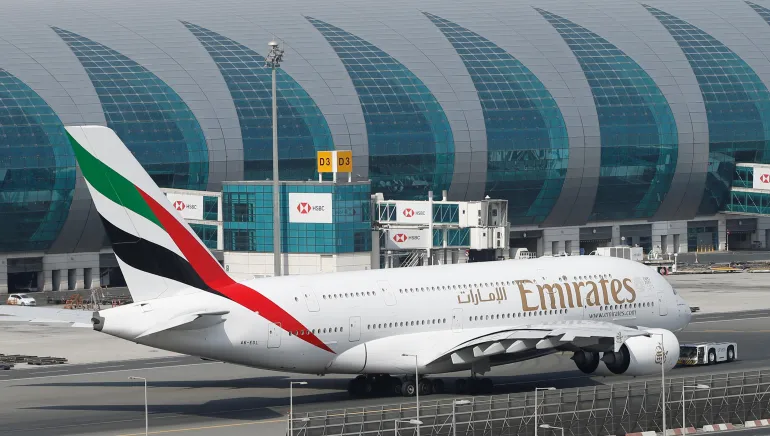
The article titled “India-UAE Flight Crisis 2026: Massive Disruptions as Air India and IndiGo Cancel Routes Amid West Asia Conflict” reports significant disruptions in the travel industry due to intensified regional strikes. This crisis has led to the cancellation of routes by major airlines such as Air India and IndiGo, causing widespread anxiety among travelers at major hubs like Delhi, Mumbai, and Dubai. The UAE Civil Aviation Authority is actively involved in managing the situation, reflecting the broader impact of geopolitical tensions on international air travel. The article underscores the vulnerability of the travel sector to geopolitical events and the need for robust contingency planning in the face of such disruptions.
Key Points:
Actionable Takeaways:
Contextual Insights:
The article reflects the current state of the travel industry, where geopolitical tensions can have a profound impact on international air travel. The crisis highlights the need for the industry to be more resilient and adaptable to geopolitical events. The involvement of the UAE Civil Aviation Authority underscores the importance of regulatory bodies in managing such crises. Looking forward, the travel industry must focus on technological advancements and flexible policies to mitigate the impact of future disruptions. The integration of AI and automation in travel tech can play a crucial role in enhancing operational resilience and improving the traveler experience during turbulent times.
Read the Complete Article.
Experience the magic of the Nile aboard Kenzy Dahabeya, a luxury boutique sailing cruise that offers an unforgettable journey between...
Read moreDetails



