












Comprehensive Summarization:
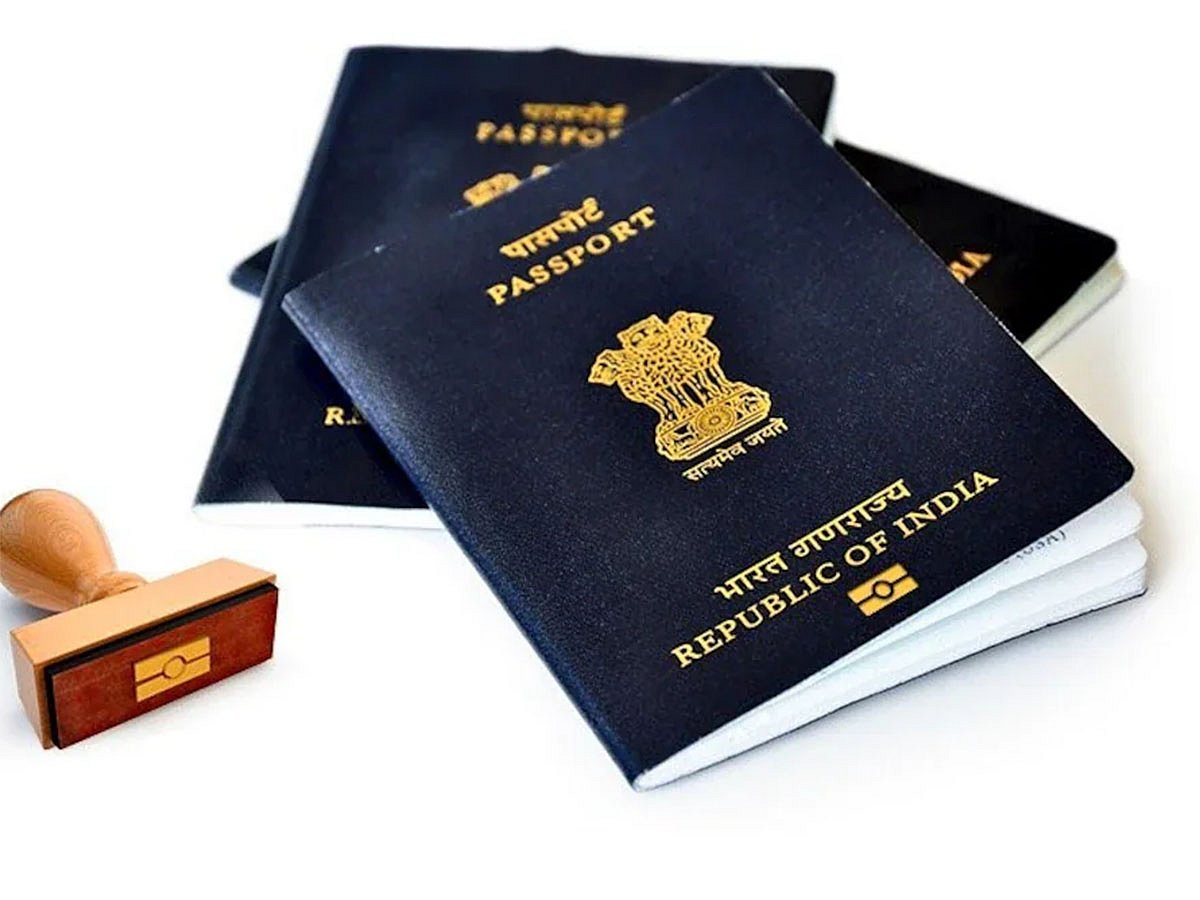
The article discusses the increasing preference of UAE-based Indians for e-passports, highlighting the enhanced security features and faster immigration clearance they offer. The embedded chip in these passports uses advanced encryption protocols to prevent tampering, forgery, and identity theft. Additionally, biometric verification ensures that the passport truly belongs to the holder, providing travelers with peace of mind. The article also notes that Indian e-passports are accepted at SmartGate and automated e-gates in major airports, significantly reducing average wait times from 25 minutes to under five minutes. This development is particularly beneficial for frequent-flyer employees and professionals on regional routes, streamlining their travel experience.
Key Points:
- UAE-based Indians are opting for e-passports due to their enhanced security features.
- The embedded chip in e-passports employs advanced encryption protocols to prevent tampering, forgery, and identity theft.
- Biometric verification in e-passports ensures the passport’s authenticity, giving travelers confidence in its legitimacy.
- Indian e-passports are accepted at SmartGate and automated e-gates in major airports, drastically cutting immigration clearance times.
- The faster clearance process is advantageous for frequent-flyer employees and professionals on regional routes, enhancing their travel efficiency.
Actionable Takeaways:
-
Adoption of E-Passports: Travel agencies and immigration services should consider promoting the adoption of e-passports among their clients, particularly those in the UAE, to leverage the enhanced security and faster clearance benefits. This move aligns with the growing trend of digital security solutions in travel, potentially increasing customer satisfaction and loyalty.
-
Streamlining Immigration Processes: Airports and immigration authorities should invest in SmartGate and automated e-gate technologies to accommodate the growing number of e-passport holders. This investment not only improves the travel experience for frequent flyers but also optimizes operational efficiency, reducing wait times and enhancing security measures.
Contextual Insights:
The shift towards e-passports reflects a broader trend in the travel industry towards digital security and efficiency. As cyber threats and identity theft become more prevalent, the demand for advanced security features in travel documents is on the rise. The adoption of e-passports by UAE-based Indians underscores the importance of biometric verification and encryption technologies in ensuring safe and swift travel experiences. This trend is likely to influence other regions, prompting similar advancements in passport technology. Furthermore, the faster immigration clearance times offered by e-passports align with the increasing expectations of travelers for seamless and hassle-free journeys. As travel startups and fintech companies continue to innovate in this space, we can anticipate further enhancements in travel tech, making international travel more accessible and secure for all passengers.
Read the Complete Article.



