







Sail Through Time: Discover the Timeless Wonders of Upper Egypt Aboard Kenzy Dahabeya
Experience the magic of the Nile aboard Kenzy Dahabeya, a luxury boutique sailing cruise that offers an unforgettable journey between...
Read moreDetails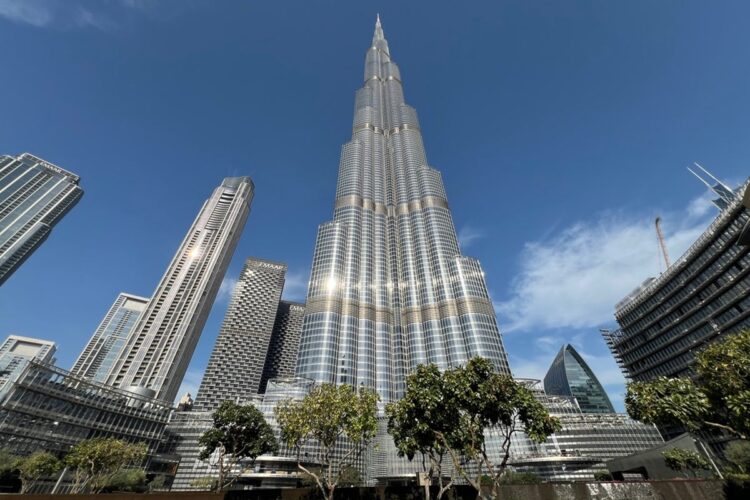
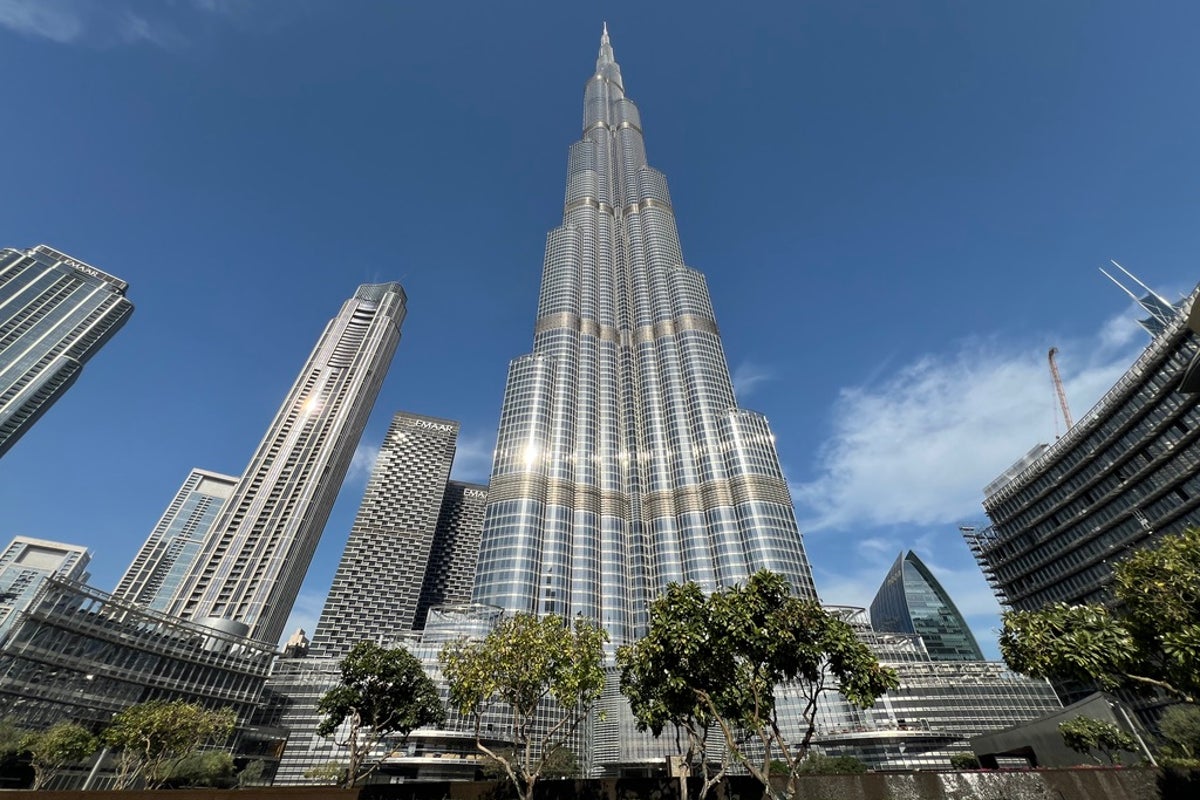
Welcome back? Tourism to Dubai has collapsed despite attractions such as the world's highest building, the Burj Khalifa (Simon Calder)
Comprehensive Summarization:
The article highlights the significant impact of the escalating conflict in the Middle East on the travel and tourism industry. According to a new study by the World Travel & Tourism Council (WTTC), the US and Israeli assault on Iran, along with Tehran’s retaliatory strikes on Gulf nations, have led to substantial losses. The article underscores the need for the industry to adapt to these volatile conditions, emphasizing the importance of monitoring geopolitical developments and their direct effects on travel demand and tourism infrastructure.
Key Points:
Actionable Takeaways:
Monitor Geopolitical Developments: Travel companies should closely monitor geopolitical developments, particularly in the Middle East, to anticipate and mitigate potential impacts on travel demand and tourism infrastructure. This proactive approach can help in adjusting marketing strategies and operational plans to minimize losses.
Diversify Markets: To reduce dependency on volatile regions, travel companies should consider diversifying their markets. By targeting regions less affected by geopolitical tensions, companies can stabilize revenue streams and ensure business continuity.
Invest in Digital Marketing: Given the uncertainty in traditional travel booking channels, investing in digital marketing strategies can help maintain visibility and reach potential travelers. Leveraging online platforms for targeted advertising and personalized travel recommendations can enhance customer engagement and drive bookings.
Contextual Insights:
The article reflects the current state of the travel industry amidst heightened geopolitical tensions. The Middle East remains a critical region for global travel, and any instability can have far-reaching effects on tourism. The emphasis on adapting to these conditions aligns with broader industry trends towards resilience and adaptability. As thought leaders suggest, the integration of technology and data analytics can provide insights into shifting consumer behaviors and preferences, enabling travel companies to make informed decisions. Furthermore, the article underscores the importance of staying informed about global events, as they can significantly influence travel patterns and market dynamics. By integrating these insights, the travel industry can better navigate the challenges posed by geopolitical conflicts and emerge stronger.
Read the Complete Article.
Experience the magic of the Nile aboard Kenzy Dahabeya, a luxury boutique sailing cruise that offers an unforgettable journey between...
Read moreDetails



