









Sail Through Time: Discover the Timeless Wonders of Upper Egypt Aboard Kenzy Dahabeya
Experience the magic of the Nile aboard Kenzy Dahabeya, a luxury boutique sailing cruise that offers an unforgettable journey between...
Read moreDetails
Comprehensive Summarization:
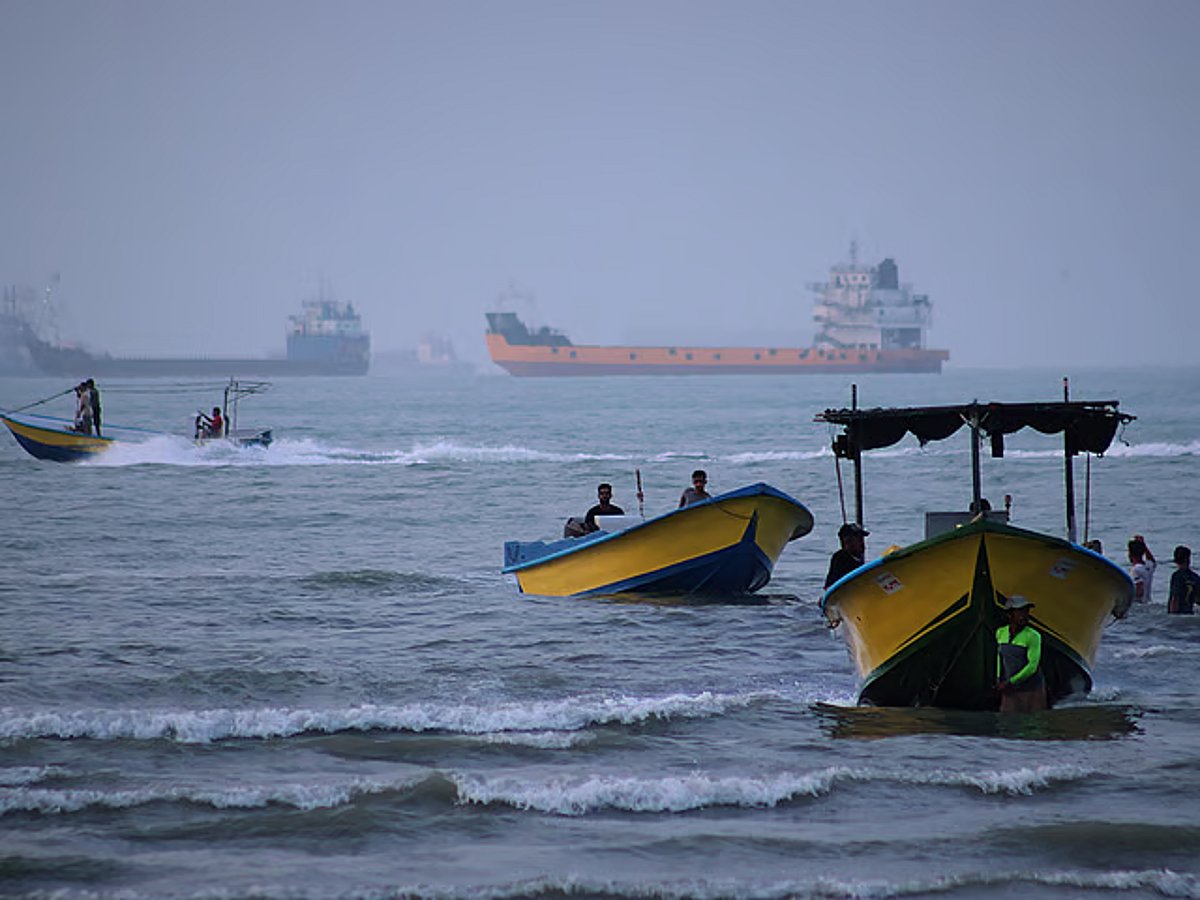
The article discusses a critical maritime blockade that has stranded 800 ships and disrupted 20% of the world’s oil supply. This blockade, resulting from an unprecedented geopolitical standoff between the US and Iran, has effectively closed the Strait of Hormuz. The situation has sent aviation costs skyrocketing and paralyzed Gulf tourism infrastructure, significantly reshaping global trade, energy markets, and international tourism. The article highlights the severe uncertainty in the Middle East due to the conflict and the ripple effects on various sectors, including travel tech, startups, and fintech.
Key Points:
Actionable Takeaways:
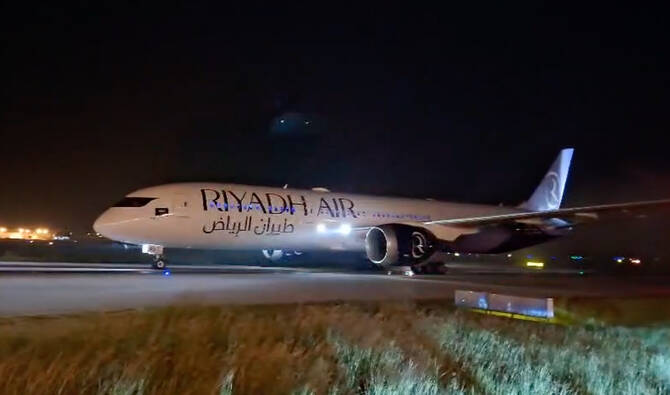
Impact on Aviation Costs: The disruption of oil supply due to the maritime blockade has led to a significant increase in aviation costs. This trend is likely to continue, impacting travel budgets and potentially reducing air travel demand. Travel companies should explore alternative transportation methods or negotiate fuel price adjustments to mitigate costs.
Tourism Infrastructure Paralysis: The blockade has paralyzed Gulf tourism infrastructure, affecting millions of potential visitors. Tourism businesses in the region should consider diversifying their marketing strategies to attract tourists from other regions or focus on digital marketing to reach a global audience. Additionally, they may need to invest in digital platforms to enhance online booking and customer engagement.
Energy Market Instability: The disruption of 20% of the world’s oil supply has caused instability in energy markets. Travel and logistics companies that rely on oil for their operations should monitor oil price fluctuations closely. They may need to hedge against price volatility or explore alternative energy sources to ensure operational continuity.
Contextual Understanding:
The article reflects the current state of the travel industry amidst geopolitical tensions and their direct impact on global trade and tourism. The geopolitical standoff between the US and Iran has led to a critical maritime blockade, causing significant disruptions in oil supply and aviation costs. This situation underscores the vulnerability of global supply chains to geopolitical events and highlights the need for travel companies to develop contingency plans for such disruptions. The article also emphasizes the importance of diversification in marketing strategies for tourism businesses, as the blockade has directly impacted tourism infrastructure in the Gulf region. Furthermore, the article suggests that travel and logistics companies should be prepared for potential volatility in energy markets, urging them to explore alternative energy sources or hedge against price fluctuations.
Handling Different Article Types:
The article provided is a news brief, offering factual information about a critical event impacting the travel industry. The summary, key points, and actionable takeaways are structured to provide a clear and concise overview of the situation, its implications, and potential strategies for affected industries. The context provided integrates the latest travel trends and insights, such as the need for diversification in marketing strategies and the importance of monitoring energy market volatility, to offer forward-looking perspectives on the current situation.
Read the Complete Article.
Experience the magic of the Nile aboard Kenzy Dahabeya, a luxury boutique sailing cruise that offers an unforgettable journey between...
Read moreDetails



