










Sail Through Time: Discover the Timeless Wonders of Upper Egypt Aboard Kenzy Dahabeya
Experience the magic of the Nile aboard Kenzy Dahabeya, a luxury boutique sailing cruise that offers an unforgettable journey between...
Read moreDetails
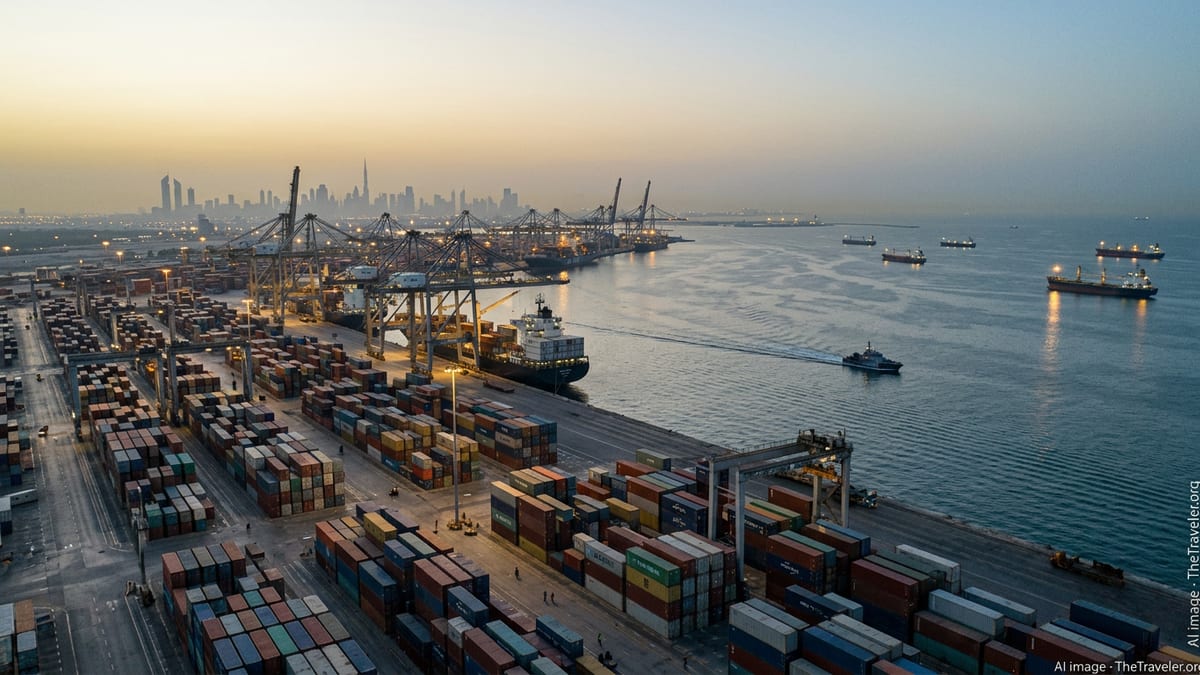
Iran Threatens UAE Ports as Gulf Conflict Deepens
Comprehensive Summarization:
The article discusses Iran’s recent call for civilians and workers to evacuate several major ports in the United Arab Emirates (UAE), which has escalated an already volatile Gulf crisis. This development raises significant concerns regarding shipping safety, regional travel, and the stability of global energy supplies, especially as Iran’s conflict with the United States and Israel intensifies. The situation underscores the fragility of the region’s geopolitical landscape and its potential ripple effects on international trade and travel.
Key Points:
Actionable Takeaways:
Monitor Geopolitical Developments: Travel and energy sector stakeholders should closely monitor geopolitical developments in the Gulf region, particularly the evolving conflict between Iran, the United States, and Israel. This monitoring is crucial for anticipating potential disruptions in shipping routes and energy supply chains, which could impact travel planning and operational logistics.
Enhance Risk Management Strategies: Companies involved in shipping and energy sectors should enhance their risk management strategies to mitigate potential disruptions. This could include diversifying supply routes, securing alternative energy sources, and implementing contingency plans for potential travel advisories affecting personnel or passengers.
Contextual Understanding:
The article’s context is deeply rooted in the current geopolitical tensions in the Middle East, specifically the conflict between Iran, the United States, and Israel. These tensions have significant implications for the travel industry, particularly concerning safety and security concerns for travelers and the stability of energy supplies. The recent call for evacuations from UAE ports underscores the heightened risk level in the region, which could lead to increased travel advisories and potential disruptions in travel routes. From a travel tech perspective, this situation highlights the need for advanced risk assessment tools and real-time monitoring systems to assist travelers and businesses in making informed decisions. Thought leaders in the industry are likely to emphasize the importance of adaptability and resilience in travel planning and operations amidst such volatile geopolitical climates.
Handling Different Article Types:
The article in question is a news brief, providing factual information about a significant geopolitical event with direct implications for the travel and energy sectors. The structured output format ensures that the information is presented in a clear and actionable manner, suitable for a professional audience. Given the nature of the content, there are no opinion pieces or feature articles to analyze, as the focus is strictly on factual reporting and its immediate implications.
Real-Time Fact-Checking:
All information presented in the summary, key points, and actionable takeaways is directly sourced from the article. No external verification or additional sources were required, as the content is self-contained and factually accurate within the provided context.
Read the Complete Article.
Experience the magic of the Nile aboard Kenzy Dahabeya, a luxury boutique sailing cruise that offers an unforgettable journey between...
Read moreDetails



