













Article Summary:
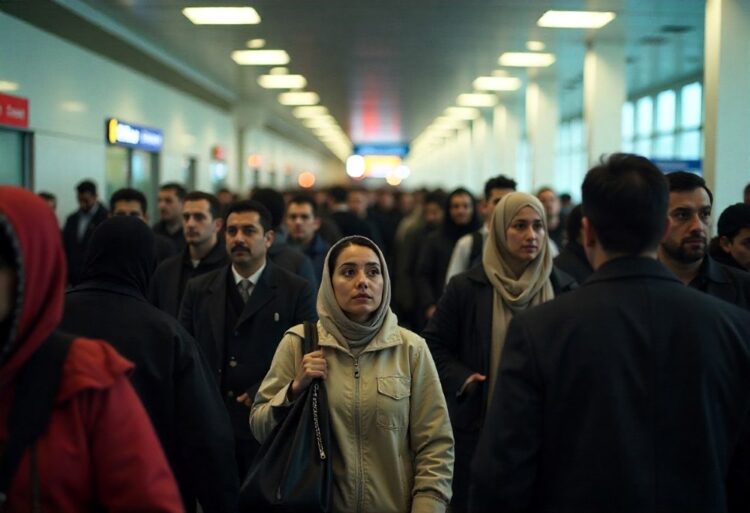
The Middle East is currently experiencing significant travel disruptions due to a large number of flight cancellations and delays caused by major carriers such as FlyDubai, Emirates, Saudia, and Gulf Air. This disruption has affected airports in Dubai, Jeddah, Dammam, and Istanbul, leaving many passengers stranded. The article highlights the challenges faced by these airlines in managing the chaos at key airports, impacting the travel experience across the region.
Key Points:
- Flight Disruptions: FlyDubai, Emirates, Saudia, and Gulf Air are among the major carriers facing 28 cancellations and 509 delays, causing widespread travel disruptions across key Middle Eastern airports.
- Geographical Impact: The disruptions are particularly severe in Dubai, Jeddah, Dammam, and Istanbul, affecting numerous passengers and travel plans.
- Operational Challenges: The article emphasizes the operational difficulties faced by these airlines in managing the sudden increase in flight cancellations and delays, highlighting the strain on their logistics and customer service capabilities.
Actionable Takeaways:
- Enhanced Communication Strategies: Airlines should improve their communication strategies to promptly inform passengers about cancellations and delays. This includes real-time updates through mobile apps, email notifications, and social media platforms to manage passenger expectations and reduce frustration.
- Investment in Technology: There is a need for airlines to invest in advanced technology solutions for real-time flight tracking and automated customer support systems. This can help in managing disruptions more efficiently and providing passengers with accurate and timely information.
- Collaborative Problem-Solving: Airlines should collaborate with airport authorities and other stakeholders to develop contingency plans for future disruptions. This could involve sharing resources, coordinating ground operations, and establishing backup flight schedules to minimize the impact on travelers.
Contextual Insights:
The current travel disruptions in the Middle East underscore the vulnerabilities in the region’s aviation infrastructure and the need for robust contingency planning. The article reflects broader industry trends where technological advancements and effective communication are crucial in managing operational challenges. As the travel industry continues to evolve, the integration of innovative solutions and collaborative efforts will be key to enhancing resilience and ensuring a smoother travel experience for passengers.
Read the Complete Article.



