









Sail Through Time: Discover the Timeless Wonders of Upper Egypt Aboard Kenzy Dahabeya
Experience the magic of the Nile aboard Kenzy Dahabeya, a luxury boutique sailing cruise that offers an unforgettable journey between...
Read moreDetails
Comprehensive Summarization:
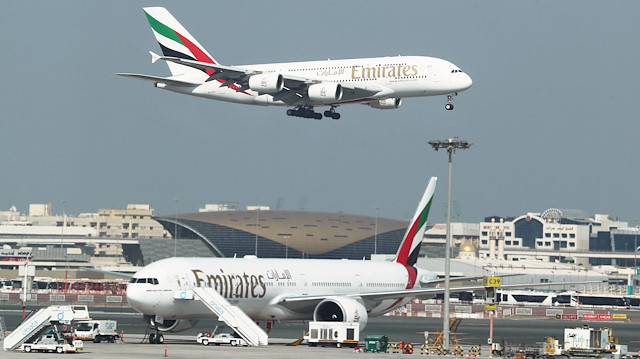
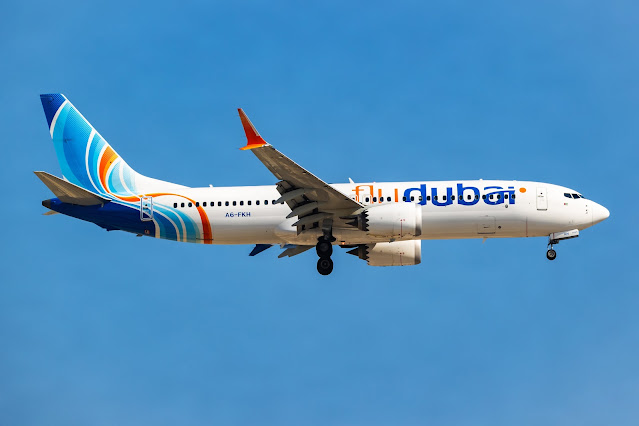
The article reports on significant flight cancellations and delays across the Middle East, affecting major airlines such as Egypt Air, FlyDubai, Pakistan International Airlines, SalamAir, and Qatar Airways. The cancellations and delays, totaling 46 flights and 331 delays, were initiated by Egypt, the UAE, Saudi Arabia, and Israel. This disruption impacts travelers in key cities including Cairo, Dubai, Tel Aviv, Dammam, and beyond. The article underscores the challenges faced by the travel industry in maintaining operational continuity amidst geopolitical and logistical hurdles, highlighting the ripple effects on both airlines and passengers.
Key Points:
Actionable Takeaways:
Contextual Insights:
The recent flight cancellations and delays in the Middle East reflect broader challenges faced by the global travel industry, particularly in regions with high geopolitical tensions and logistical complexities. The disruptions underscore the importance of adaptability and innovation in travel operations. As the industry continues to evolve, the integration of advanced technologies and strategic partnerships will be crucial in enhancing operational resilience and ensuring a seamless travel experience for passengers. Thought leaders emphasize the need for continuous improvement in travel tech solutions to address emerging challenges and capitalize on new opportunities in the market.
Read the Complete Article.
Experience the magic of the Nile aboard Kenzy Dahabeya, a luxury boutique sailing cruise that offers an unforgettable journey between...
Read moreDetails



