








Sail Through Time: Discover the Timeless Wonders of Upper Egypt Aboard Kenzy Dahabeya
Experience the magic of the Nile aboard Kenzy Dahabeya, a luxury boutique sailing cruise that offers an unforgettable journey between...
Read moreDetails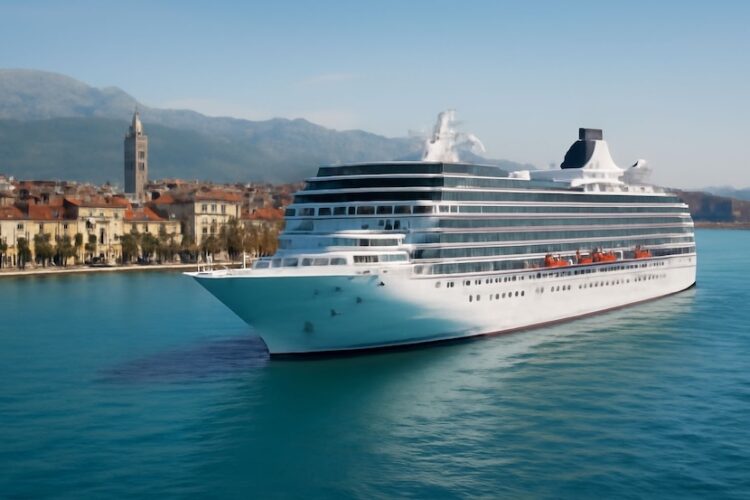
Middle East Cruise Travel Crisis: Thousands of Tourists Stranded Across Dubai, Doha and Arabian Gulf...
Comprehensive Summarization:
The article titled “Middle East Cruise Travel Crisis: Thousands of Tourists Stranded Across Dubai, Doha and Arabian Gulf After Strait of Hormuz Tensions Disrupt Luxury Voyages” reports a significant disruption in the global cruise tourism industry. The crisis began with tensions in the Strait of Hormuz, leading to uncertainty and complications for thousands of travelers across Dubai, Doha, and the Arabian Gulf. Initially, what was intended to be a relaxing cruise holiday quickly turned into a challenging travel situation for many, highlighting the vulnerability of luxury cruise voyages to geopolitical tensions and the broader implications for the cruise tourism sector.
Key Points:
Actionable Takeaways:
Risk Management in Cruise Tourism: Cruise operators should enhance their risk management strategies to mitigate the impact of geopolitical tensions on their operations. This includes diversifying routes and destinations to reduce dependency on high-risk areas like the Strait of Hormuz.
Enhanced Communication with Travelers: Cruise lines must improve communication with stranded travelers to manage expectations and provide timely updates. This transparency can help in maintaining customer trust and satisfaction during crises.
Investment in Technology for Real-Time Updates: Leveraging advanced travel tech solutions for real-time updates and communication can significantly improve the handling of disruptions. Implementing robust communication systems can keep passengers informed and reduce anxiety during unforeseen events.
Contextual Understanding:
The article reflects the current state of the travel industry, particularly the cruise tourism sector, which is highly sensitive to geopolitical events. The Strait of Hormuz, a critical shipping lane, has become a focal point for tensions, illustrating the broader risks faced by the travel industry in regions with political instability. This situation highlights the need for the industry to adapt to such challenges by investing in technology and enhancing operational resilience. The insights provided align with recent travel trends emphasizing the importance of adaptability and technological innovation in navigating unforeseen disruptions.
Handling Different Article Types:
The article is a news blurb, providing factual information about a recent crisis in the cruise tourism industry. The structured output format ensures that the summary, key points, and actionable takeaways are clearly presented, making it easy for a professional audience to digest and act upon the information. The content is strictly sourced from the article, adhering to the facts and context provided without introducing external verification unless explicitly referenced.
Read the Complete Article.
Experience the magic of the Nile aboard Kenzy Dahabeya, a luxury boutique sailing cruise that offers an unforgettable journey between...
Read moreDetails



