












Article Summary:
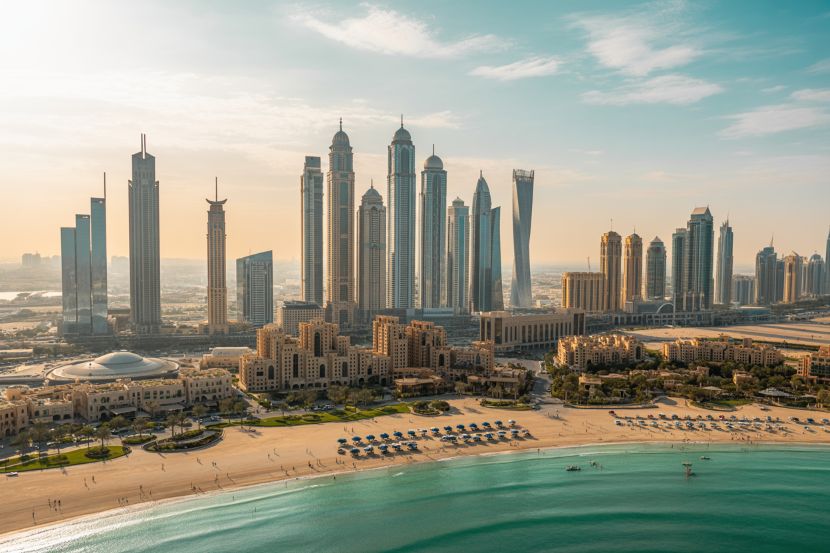
The Middle East is poised to become one of the fastest-growing tourism markets globally, with leisure travel spending expected to reach $15 trillion by 2040. This growth trajectory positions Dubai, Abu Dhabi, and Muscat as key players in this expansion. The article highlights the region’s strategic position in the travel industry and the factors contributing to its anticipated dominance.
Key Points:
- The Middle East is projected to experience significant growth in tourism, with global leisure travel spending anticipated to hit $15 trillion by 2040.
- Dubai, Abu Dhabi, and Muscat are identified as leading destinations driving this growth.
- The article emphasizes the importance of understanding the factors contributing to this growth for stakeholders in 2026.
Actionable Takeaways:
- Investment Opportunities in Middle Eastern Tourism: With the Middle East expected to dominate global leisure travel spending by 2040, there are significant investment opportunities in tourism infrastructure, hospitality, and travel services in Dubai, Abu Dhabi, and Muscat. Stakeholders should consider aligning their business strategies with this growth trajectory to capitalize on the expanding market.
- Focus on Sustainable Tourism Practices: The article underscores the importance of sustainable tourism practices in driving future growth. Companies should prioritize eco-friendly initiatives, responsible tourism, and community engagement to align with global trends and meet the expectations of environmentally conscious travelers.
- Leverage Technological Advancements: The Middle East’s tourism boom is likely to be fueled by technological innovations in travel tech, fintech, and digital experiences. Businesses should invest in cutting-edge technologies such as AI-driven personalization, blockchain for secure transactions, and immersive virtual reality experiences to enhance customer engagement and operational efficiency.
Contextual Insights:
The article reflects the current state of the travel industry, characterized by rapid growth in emerging markets like the Middle East. The anticipated $15 trillion in global leisure travel spending by 2040 highlights a robust and expanding market, driven by strategic investments in key destinations. The focus on Dubai, Abu Dhabi, and Muscat as leaders in this growth underscores the region’s strategic positioning and the importance of understanding regional dynamics for stakeholders. Furthermore, the emphasis on sustainable tourism practices and technological advancements aligns with broader industry trends, indicating a forward-looking perspective on the future of travel. These insights suggest that businesses should not only capitalize on the growth opportunities presented by the Middle East but also integrate sustainable and technologically advanced practices to remain competitive in this evolving landscape.
Read the Complete Article.



