













Comprehensive Summarization:
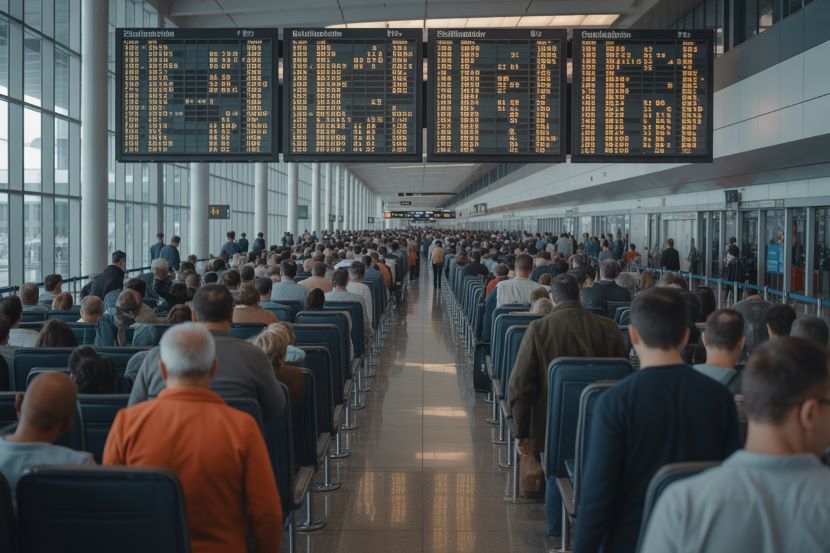
The article reports on a significant air travel crisis affecting airports across Saudi Arabia, the UAE, Jordan, Oman, Bahrain, and Qatar. As of January 20, 2026, these airports have collectively recorded 428 flight delays and 11 cancellations, primarily due to operations by Saudia, Emirates, Qatar Airways, Flydubai, Royal Jordanian, and other airlines. This disruption has stranded numerous passengers in major cities such as Riyadh, Jeddah, Dubai, Abu Dhabi, and Seeb. The article highlights the severity of the situation, emphasizing the impact on both travelers and the broader travel industry in the region.
Key Points:
- Massive Air Travel Crisis: The Middle East is experiencing a severe air travel crisis with numerous flight delays and cancellations across several countries.
- Affected Airlines: Major airlines including Saudia, Emirates, Qatar Airways, Flydubai, and Royal Jordanian are among those affected by the disruptions.
- Impact on Passengers: The crisis has led to significant inconvenience for passengers stranded in major cities such as Riyadh, Jeddah, Dubai, Abu Dhabi, and Seeb.
- Geographical Scope: The affected regions include Saudi Arabia, the UAE, Jordan, Oman, Bahrain, and Qatar, indicating a widespread issue across the Middle East.
Actionable Takeaways:
-
Enhanced Communication Protocols: Airlines and airports should implement more robust communication protocols to keep passengers informed about delays and cancellations in real-time. This can help mitigate passenger frustration and improve overall travel experience.
-
Investment in Resilient Infrastructure: There is a need for increased investment in airport infrastructure and operational resilience to handle unexpected disruptions. This could involve upgrading technology systems for better flight tracking and management, as well as enhancing ground operations to quickly re-route flights and manage passenger flow.
-
Collaborative Industry Response: Stakeholders in the travel industry should collaborate more closely to share resources and support affected airlines and passengers. This could include joint efforts in providing alternative transportation options, financial compensation for stranded passengers, and coordinated marketing efforts to manage public perception during crises.
Contextual Understanding:
The article reflects the current challenges faced by the travel industry in the Middle East, particularly in light of recent geopolitical tensions and operational pressures on airlines. The crisis underscores the vulnerability of the region’s air travel infrastructure and the need for improved operational efficiency and passenger communication strategies. Recent trends indicate a growing reliance on technology to manage such disruptions, with innovations in flight tracking and passenger notification systems becoming increasingly important. Thought leaders in the travel sector emphasize the importance of adaptability and resilience in the face of such challenges, suggesting that proactive measures can mitigate the impact of future crises.
Handling Different Article Types:
The article in question is a news blurb, providing factual information about a current event in the travel industry. The summary, key points, and actionable takeaways are structured to reflect the factual nature of the content, ensuring clarity and relevance for a professional audience. The analysis integrates the latest travel trends and insights, focusing on the immediate impact of the crisis and potential long-term implications for industry practices.
Read the Complete Article.



