












Article Summary:
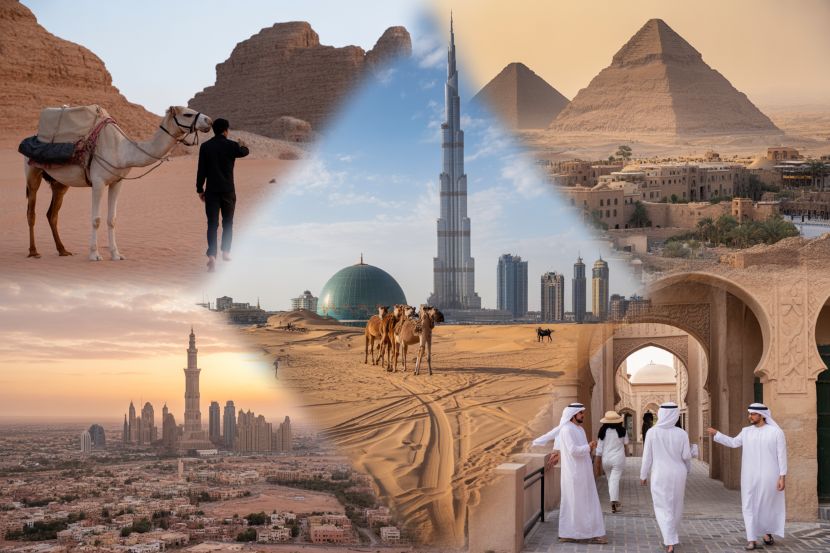
In December 2025, the Middle East and North Africa (MENA) region experienced a significant surge in tourism, with countries like Morocco, UAE, Saudi Arabia, Egypt, Jordan, and Oman at the forefront. This growth in visitor arrivals is driving economic gains and promoting sustainable travel practices across the region. The article highlights the importance of these countries in the current travel landscape and their contributions to the region’s economic development.
Key Points:
- The MENA region saw a dramatic increase in tourism in 2025, with Morocco, UAE, Saudi Arabia, Egypt, Jordan, and Oman leading the charge.
- These countries are not only attracting more visitors but are also promoting sustainable travel practices, aligning with global trends in eco-friendly tourism.
- The growth in tourism is contributing to economic gains in the region, indicating a positive impact on local economies.
- The article emphasizes the importance of sustainable travel practices, suggesting a shift towards more responsible tourism in the region.
Actionable Takeaways:
-
Invest in Sustainable Tourism Infrastructure: Countries in the MENA region should prioritize investments in sustainable tourism infrastructure to capitalize on the growing interest in eco-friendly travel. This includes developing eco-friendly accommodations, promoting public transportation, and implementing waste management systems that minimize environmental impact.
- Relevance and Impact: As global travelers increasingly prioritize sustainability, investing in sustainable tourism infrastructure can enhance a country’s appeal to eco-conscious tourists, thereby boosting tourism revenues and positioning the region as a leader in responsible travel practices.
-
Leverage Digital Marketing for Tourism Promotion: Utilize digital marketing strategies to promote tourism in the MENA region. This includes leveraging social media platforms, creating engaging content, and utilizing search engine optimization (SEO) techniques to increase visibility online.
- Relevance and Impact: With the rise of digital platforms, effective digital marketing can significantly enhance the visibility of tourism destinations in the region. By reaching a broader audience online, countries can attract more visitors, thereby driving economic growth and fostering a culture of sustainable tourism.
-
Collaborate with Local Startups and Innovators: Partner with local startups and innovators in the travel sector to develop new technologies and services that enhance the tourist experience. This could include mobile apps for seamless travel planning, virtual reality tours, or innovative eco-friendly transportation solutions.
- Relevance and Impact: Collaborating with local innovators can drive technological advancements in the travel sector, offering unique and memorable experiences for tourists. This not only enhances the attractiveness of the region to tourists but also supports local economies by creating jobs and fostering innovation.
Contextual Insights:
The surge in tourism in the MENA region in 2025 reflects broader global trends towards sustainable travel and economic recovery post-pandemic. Countries like Morocco, UAE, Saudi Arabia, Egypt, Jordan, and Oman are strategically positioning themselves as leaders in sustainable tourism, aligning with the increasing demand for eco-friendly travel options. This shift towards sustainability is not only beneficial for the environment but also enhances the overall tourist experience by offering unique, responsible travel options.
Moreover, the economic gains observed in these countries underscore the potential of tourism as a catalyst for regional development. By focusing on sustainable practices and leveraging digital marketing, these nations can further enhance their appeal to tourists, ensuring long-term growth and prosperity. The article also highlights the importance of collaboration with local startups and innovators, which can drive technological advancements and create new opportunities in the travel sector. As the travel industry continues to evolve, these insights provide a forward-looking perspective on how the MENA region can sustain its growth and maintain its competitive edge in the global tourism market.
Read the Complete Article.



