







Sail Through Time: Discover the Timeless Wonders of Upper Egypt Aboard Kenzy Dahabeya
Experience the magic of the Nile aboard Kenzy Dahabeya, a luxury boutique sailing cruise that offers an unforgettable journey between...
Read moreDetails
Comprehensive Summarization:
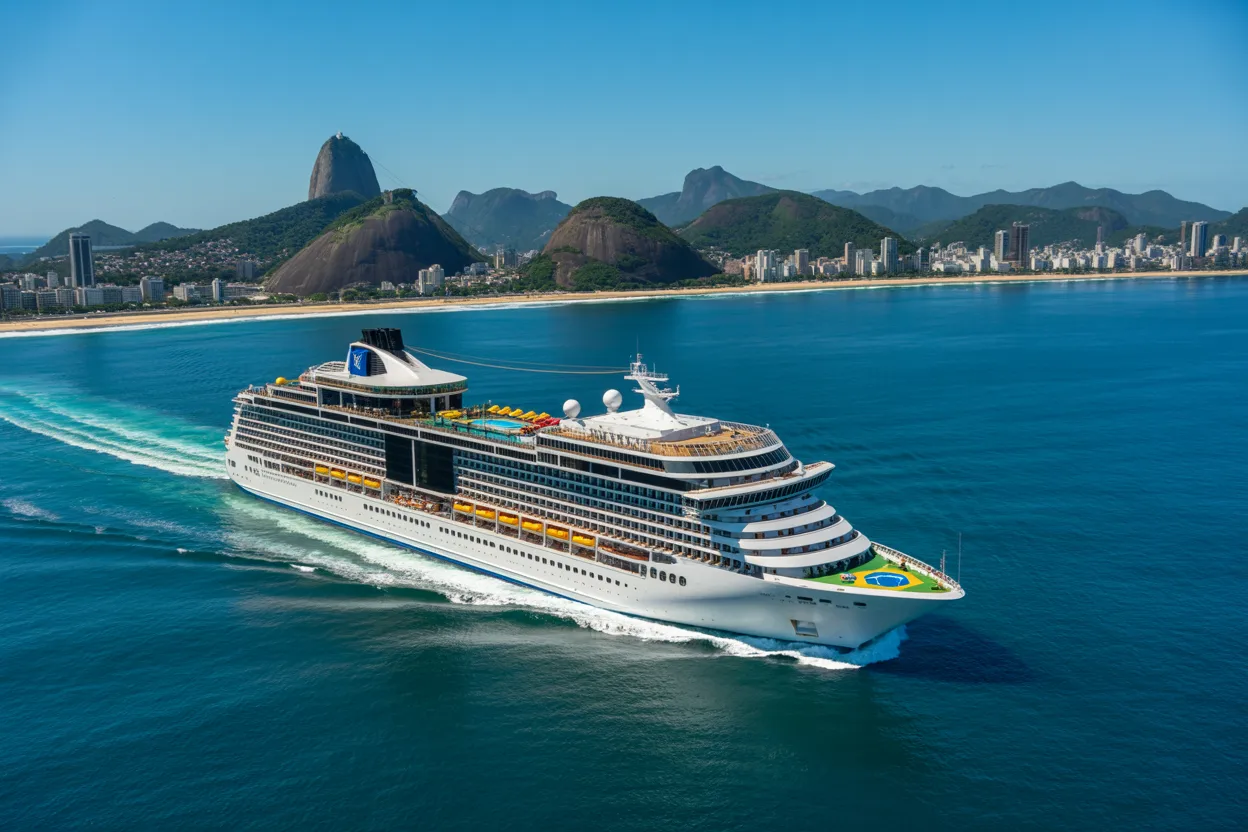
MSC Cruises has announced the cancellation of its remaining winter sailings from Dubai, Abu Dhabi, and Doha, effectively pulling a key ship from the Arabian Gulf. This decision intensifies the disruption in Middle East cruise tourism. The cancellation is attributed to persistent security concerns, leading to the premature end of the winter Gulf season. The move reflects the ongoing challenges faced by the cruise industry in navigating security issues in the region, impacting both cruise operators and travelers’ plans.
Key Points:
Actionable Takeaways:
Reassessment of Cruise Itineraries: Cruise lines should reassess their itineraries in the Arabian Gulf region, considering the impact of security concerns on travel demand. This may involve shifting focus to other regions with lower security risks or enhancing security measures in existing routes.
Investment in Security Technologies: Cruise operators should invest in advanced security technologies and protocols to mitigate risks associated with security concerns. This could include enhanced onboard security measures, collaborations with security firms, and real-time monitoring systems.
Diversification of Market Focus: The incident highlights the importance of diversifying market focus for cruise lines. By exploring new destinations or regions with lower security risks, cruise lines can mitigate the impact of geopolitical issues on their operations and maintain a stable revenue stream.
Contextual Insights:
The cancellation of MSC Cruises’ winter sailings from the Arabian Gulf underscores the ongoing challenges faced by the cruise industry in navigating security concerns in the region. This development is particularly relevant in light of recent global trends towards heightened security measures in travel. The incident also highlights the need for cruise lines to be agile and responsive to changing geopolitical landscapes, ensuring they can adapt their operations to maintain safety and customer satisfaction. Furthermore, the situation emphasizes the importance of continuous investment in security technologies and protocols to protect both passengers and crew, thereby safeguarding the industry’s reputation and future growth prospects.
Read the Complete Article.
Experience the magic of the Nile aboard Kenzy Dahabeya, a luxury boutique sailing cruise that offers an unforgettable journey between...
Read moreDetails



