









Sail Through Time: Discover the Timeless Wonders of Upper Egypt Aboard Kenzy Dahabeya
Experience the magic of the Nile aboard Kenzy Dahabeya, a luxury boutique sailing cruise that offers an unforgettable journey between...
Read moreDetails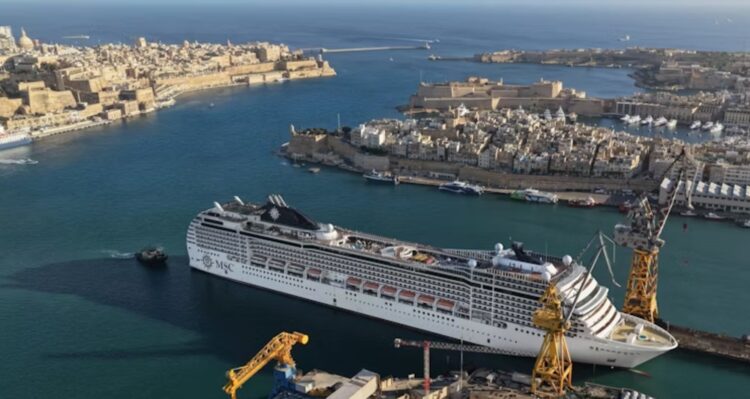
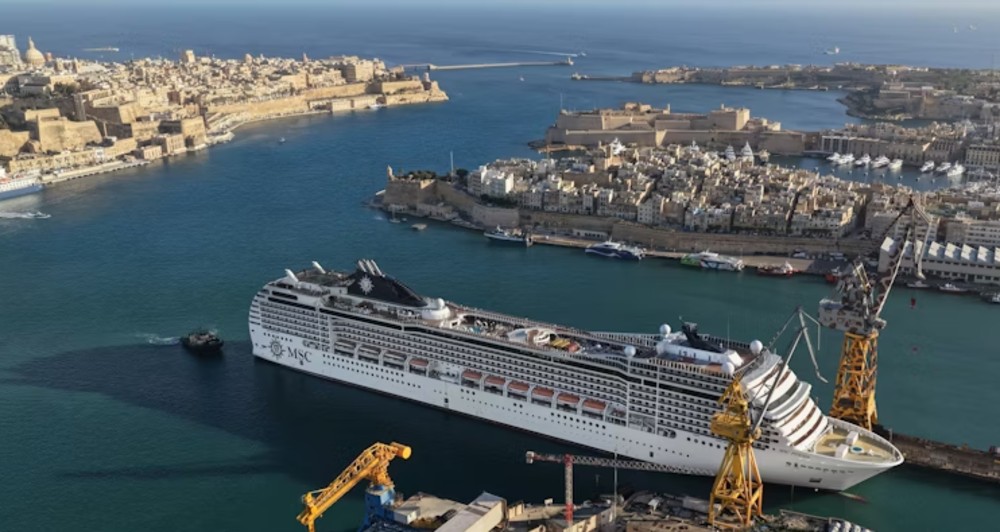
MSC Cruises Organizes Flights for More than Fifteen Hundred MSC Euribia Guests in Dubai, Showcasing ...
Comprehensive Summarization:
MSC Cruises has successfully repatriated over 1,500 passengers from the MSC Euribia cruise ship in Dubai through seven flights. This operation, which has already taken place, demonstrates the company’s operational resilience and growth in the global cruise tourism sector. The article, published on March 7, 2026, highlights MSC Cruises’ ability to manage such a critical repatriation process, showcasing its commitment to passenger safety and operational efficiency in the face of challenges.
Key Points:
Actionable Takeaways:
Operational Resilience in Travel: MSC Cruises’ ability to repatriate a large number of passengers through multiple flights demonstrates the cruise line’s operational resilience. This capability is crucial in the travel industry, especially during times of crisis or high passenger volume, and sets a benchmark for other cruise operators to follow. It highlights the importance of strategic partnerships with airlines and efficient logistics management in ensuring passenger safety and satisfaction.
Strategic Location in Dubai: The repatriation operation took place in Dubai, a key hub in the global cruise tourism market. This location underscores the strategic importance of Dubai as a gateway for cruise operations, offering logistical advantages such as proximity to major international flight routes and robust infrastructure. For other cruise lines, establishing a presence in similar strategic locations could enhance their operational efficiency and market reach.
Contextual Insights:
The repatriation of over 1,500 passengers from the MSC Euribia cruise ship in Dubai underscores the ongoing challenges and innovations within the cruise tourism sector. Recent events, such as the COVID-19 pandemic and evolving travel restrictions, have necessitated robust operational strategies to ensure passenger safety and operational continuity. MSC Cruises’ successful repatriation operation reflects a broader trend of cruise lines investing in advanced logistics and partnerships with airlines to navigate these challenges effectively.
Looking ahead, the cruise industry is likely to see increased adoption of technology-driven solutions for passenger management, such as real-time tracking systems and enhanced communication platforms. These innovations will not only improve operational efficiency but also enhance the overall passenger experience. Additionally, the focus on strategic locations like Dubai highlights the industry’s recognition of the importance of geographical positioning in optimizing logistics and market access. As the travel industry continues to evolve, such strategic insights will be crucial for cruise lines and other travel stakeholders to stay competitive and meet the changing demands of travelers.
Read the Complete Article.
Experience the magic of the Nile aboard Kenzy Dahabeya, a luxury boutique sailing cruise that offers an unforgettable journey between...
Read moreDetails



