












Article Summary:
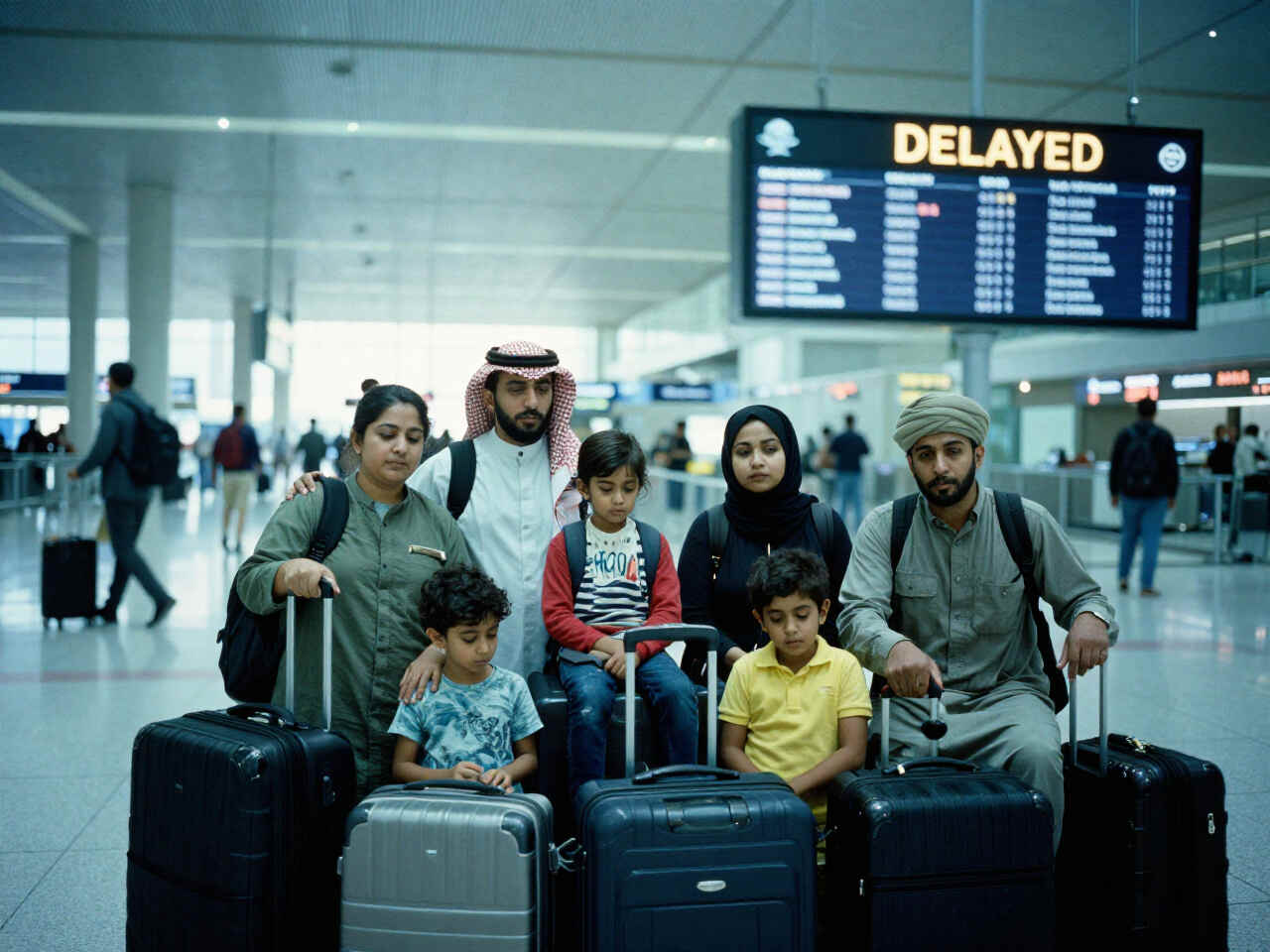
On December 3rd and 4th, 2025, Saudi Arabia’s national flag carrier, Saudia, experienced severe flight disruptions, stranding travelers across several key nations including Saudi Arabia, the UAE, and Kuwait. This operational crisis highlighted significant challenges in the Middle East travel sector, impacting both domestic and international travel.
Key Points:
- Saudia, the national flag carrier of Saudi Arabia, faced multiple flight disruptions on December 3rd and 4th, 2025, leading to significant travel disruptions across Saudi Arabia, the UAE, and Kuwait.
- The disruptions affected numerous travelers, causing delays and stranded situations, particularly in major hubs such as Riyadh, Dubai, and Kuwait City.
- The operational crisis underscores the vulnerabilities in the Middle East travel sector, particularly in terms of flight scheduling and operational efficiency.
Actionable Takeaways:
- Enhanced Operational Resilience: Travel companies should invest in robust operational resilience strategies, including real-time monitoring and contingency planning, to mitigate the impact of unforeseen disruptions. This is crucial given the recent operational crisis faced by Saudia, which highlights the need for proactive measures to ensure continuity of service.
- Investment in Advanced Flight Management Systems: The crisis emphasizes the importance of adopting advanced flight management systems and technologies to improve flight scheduling accuracy and reduce delays. Implementing such technologies can enhance operational efficiency and improve the overall travel experience for passengers.
- Strengthened Partnerships and Collaborations: The article mentions Saudia’s partnership with GE Aerospace to transform its fleet with GenX engines. Travel companies should explore similar strategic partnerships to leverage technological advancements and improve fleet reliability, thereby enhancing their competitive edge in the market.
Contextual Insights:
The recent operational crisis faced by Saudia is indicative of broader challenges within the Middle East travel sector, particularly in terms of flight scheduling and operational efficiency. This crisis highlights the critical need for travel companies to adopt advanced technologies and robust operational strategies to ensure seamless travel experiences. Furthermore, the focus on technological advancements, such as the partnership between Saudia and GE Aerospace, underscores the industry’s shift towards integrating cutting-edge solutions to enhance fleet reliability and passenger satisfaction. As the travel industry continues to evolve, staying ahead of emerging trends and technological innovations will be key to maintaining competitiveness and meeting the growing expectations of travelers.
Read the Complete Article.



