












Article Summary:
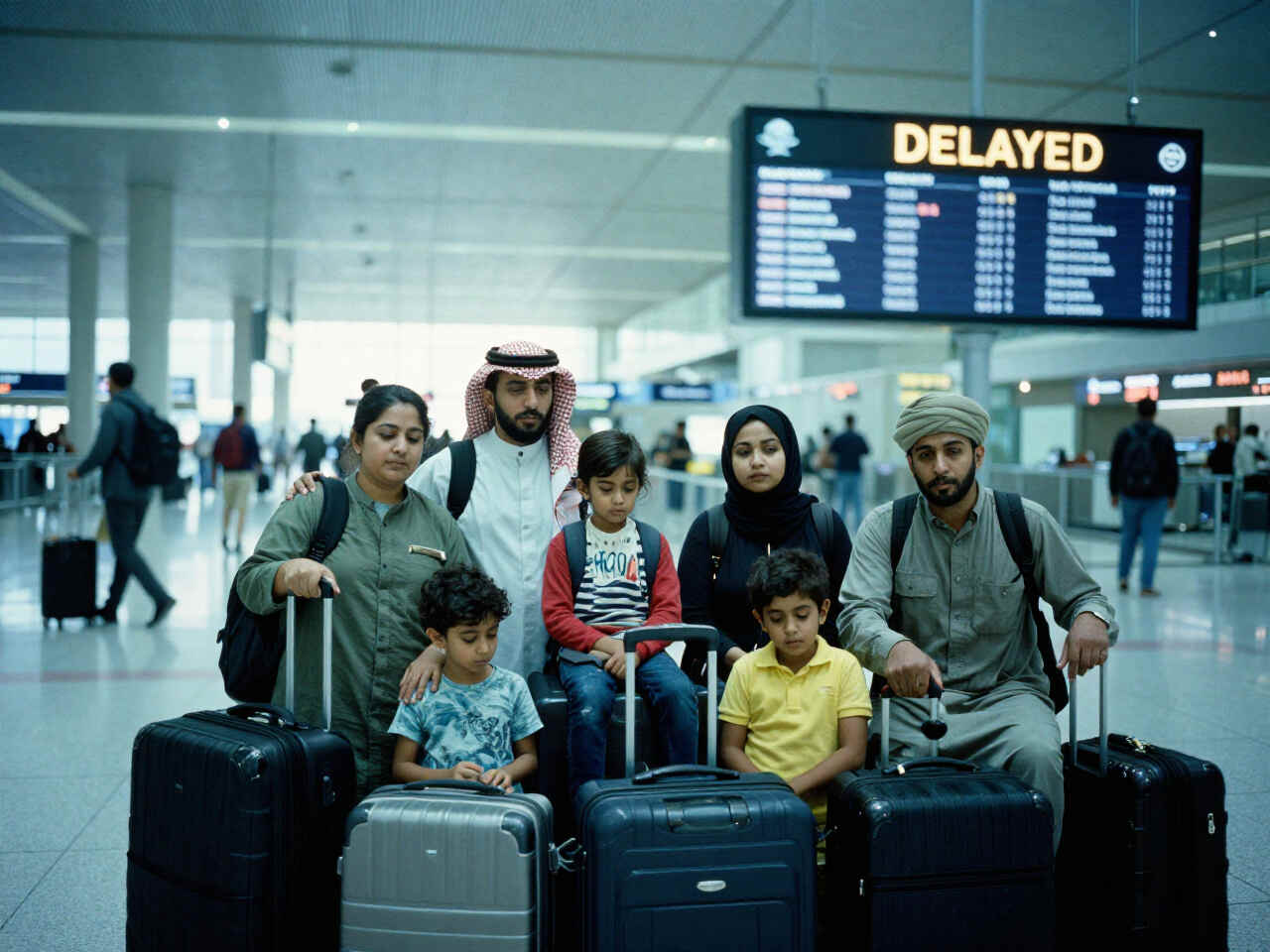
On December 3rd and 4th, 2025, Saudi Arabia’s national flag carrier, Saudia, experienced severe flight disruptions, stranding travelers across several key nations including Saudi Arabia, the UAE, and Kuwait. This operational crisis highlighted significant challenges in the Middle East travel sector, impacting both domestic and international travel.
Key Points:
- Saudia, the national flag carrier of Saudi Arabia, faced multiple flight disruptions on December 3rd and 4th, 2025, leading to significant travel disruptions across Saudi Arabia, the UAE, and Kuwait.
- The disruptions affected numerous travelers, highlighting operational challenges within the Middle East travel sector during this period.
- The article emphasizes the operational crisis as a critical issue impacting the travel landscape in the region, potentially affecting future travel plans and sector stability.
Actionable Takeaways:
- Enhanced Operational Resilience: Travel companies must invest in robust operational resilience strategies to mitigate the impact of unforeseen disruptions. This includes improving communication with travelers, having contingency plans for flight cancellations, and ensuring real-time updates to manage expectations and reduce anxiety among travelers.
- Investment in Technology: The crisis underscores the importance of leveraging advanced technologies such as AI and data analytics for real-time tracking and management of flight operations. Implementing these technologies can help airlines predict and prevent disruptions, thereby enhancing customer satisfaction and operational efficiency.
- Strengthening Partnerships: Collaborations between airlines and aerospace companies, as seen with Saudia’s partnership with GE Aerospace, can drive innovation in fleet management and operational efficiency. Such partnerships can lead to the adoption of newer, more reliable technologies, reducing the likelihood of future disruptions.
Contextual Insights:
The operational crisis faced by Saudia on December 3rd and 4th, 2025, is indicative of broader challenges within the Middle East travel sector. Recent trends indicate a growing reliance on technology to enhance operational efficiency and customer experience. The integration of AI and real-time data analytics is becoming increasingly crucial for airlines to manage disruptions effectively. Furthermore, strategic partnerships between airlines and aerospace companies are driving innovation in fleet management, potentially leading to more reliable and efficient travel experiences. These insights suggest a forward-looking perspective on the travel industry, emphasizing the need for continuous improvement and adaptation to emerging technologies and market demands.
Read the Complete Article.



