












Article Summary:
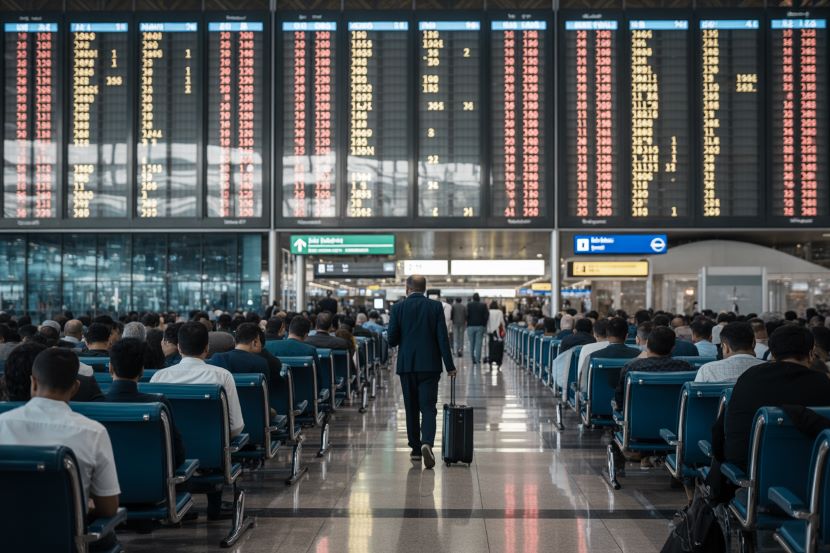
The article reports on a significant travel disruption in the Middle East, where Saudi Arabia, UAE, Oman, Bahrain, and other countries experienced 12 flight cancellations and 274 delays due to Saudia, Emirates, Flydubai, Qatar Airways, and others. This travel chaos has left thousands of passengers stranded, causing frustration across major hubs such as Dubai, Abu Dhabi, Seeb, and Doha. The incident highlights the vulnerabilities in the travel infrastructure and the need for improved operational resilience in the region.
Key Points:
- Travel Disruptions: 12 cancellations and 274 delays across multiple Middle Eastern countries, affecting thousands of passengers.
- Affected Airlines: Major carriers including Saudia, Emirates, Flydubai, and Qatar Airways were involved in the cancellations and delays.
- Geographical Impact: Major hubs such as Dubai, Abu Dhabi, Seeb, and Doha were severely impacted, stranding passengers across these locations.
- Operational Challenges: The incident underscores the challenges faced by the travel industry in maintaining operational efficiency during unforeseen disruptions.
Actionable Takeaways:
- Enhanced Operational Resilience: Travel companies should invest in advanced predictive analytics and real-time monitoring systems to anticipate and mitigate disruptions. This will help in maintaining service continuity and minimizing passenger inconvenience.
- Improved Communication Strategies: Airlines and travel agencies must enhance their communication protocols to promptly inform passengers about cancellations and delays. Clear and timely updates can significantly reduce passenger frustration and improve brand loyalty.
- Focus on Customer Support: Strengthening customer support services, including 24/7 assistance and flexible rebooking options, can help manage the fallout from travel disruptions more effectively. This proactive approach can enhance customer satisfaction and retention.
Contextual Insights:
The recent travel chaos in the Middle East is indicative of broader challenges faced by the global travel industry, particularly in regions prone to geopolitical tensions and natural disasters. The incident highlights the critical need for travel companies to adopt innovative technologies and robust operational strategies to ensure resilience. As the industry continues to evolve, integrating advanced travel tech solutions and fostering partnerships with fintech startups can provide a competitive edge. These innovations can streamline operations, enhance customer experiences, and mitigate risks associated with travel disruptions. By leveraging insights from thought leaders in the travel sector, companies can better navigate future challenges and capitalize on emerging opportunities in the market.
Read the Complete Article.



