












Article Summary:
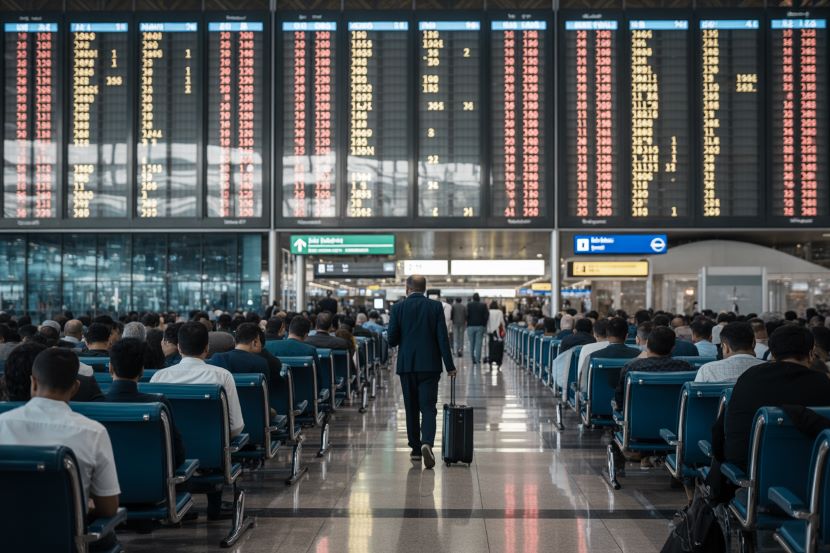
The article reports on a significant wave of travel chaos in the Middle East, affecting thousands of passengers due to 12 cancellations and 274 delays caused by major airlines such as Saudia, Emirates, Flydubai, and Qatar Airways. The disruptions have stranded passengers across key cities including Dubai, Abu Dhabi, Seeb, and Doha, highlighting the vulnerabilities in the region’s travel infrastructure.
Key Points:
- Travel Disruptions: 12 cancellations and 274 delays have occurred across multiple airlines in the Middle East, impacting thousands of passengers.
- Geographic Impact: The disruptions are widespread, affecting major cities such as Dubai, Abu Dhabi, Seeb, and Doha.
- Airlines Involved: Major carriers including Saudia, Emirates, Flydubai, and Qatar Airways are among those experiencing operational issues.
- Passenger Impact: The chaos has left many passengers stranded, causing frustration and inconvenience across the region.
Actionable Takeaways:
- Enhanced Resilience in Travel Operations: Airlines and travel agencies should invest in robust contingency planning and real-time communication systems to mitigate the impact of operational disruptions. This includes leveraging advanced travel tech solutions to provide passengers with accurate, timely updates and alternative travel options.
- Focus on Customer Experience: The incident underscores the importance of prioritizing customer experience during travel disruptions. Airlines should prioritize customer service, offering compensation, rebooking options, and support to stranded passengers to maintain trust and loyalty.
- Regulatory and Infrastructure Review: There is a need for regulatory bodies to review and potentially enhance the operational standards and infrastructure of airlines in the region. This could involve stricter adherence to safety protocols, improved airport management, and better coordination among airlines to prevent similar disruptions in the future.
Contextual Insights:
The recent travel chaos in the Middle East is indicative of broader trends in the travel industry, where operational efficiency and customer experience are critical factors. The incident highlights the growing reliance on technology in travel, where innovations in travel management systems and customer communication platforms can significantly enhance resilience against disruptions. As the industry continues to evolve, thought leaders emphasize the importance of integrating advanced analytics and AI-driven solutions to predict and mitigate potential travel issues, ensuring a smoother travel experience for passengers. This event serves as a reminder of the need for continuous improvement in travel operations and customer service strategies to adapt to the dynamic challenges of modern travel.
Read the Complete Article.



